
Pull to refresh
Logo
Taco Borracho in Grand Rapids announces closure

Taco Borracho in Grand Rapids announces closure

Money Moves Grand Rapids, MI local

Owner Angel Gonzalez cites business mistakes and external pressures as reasons for closing the Latino-owned restaurant.

Overview

Updated Nov 14
755 Michigan St NE
Grand Rapids, MI
Directions

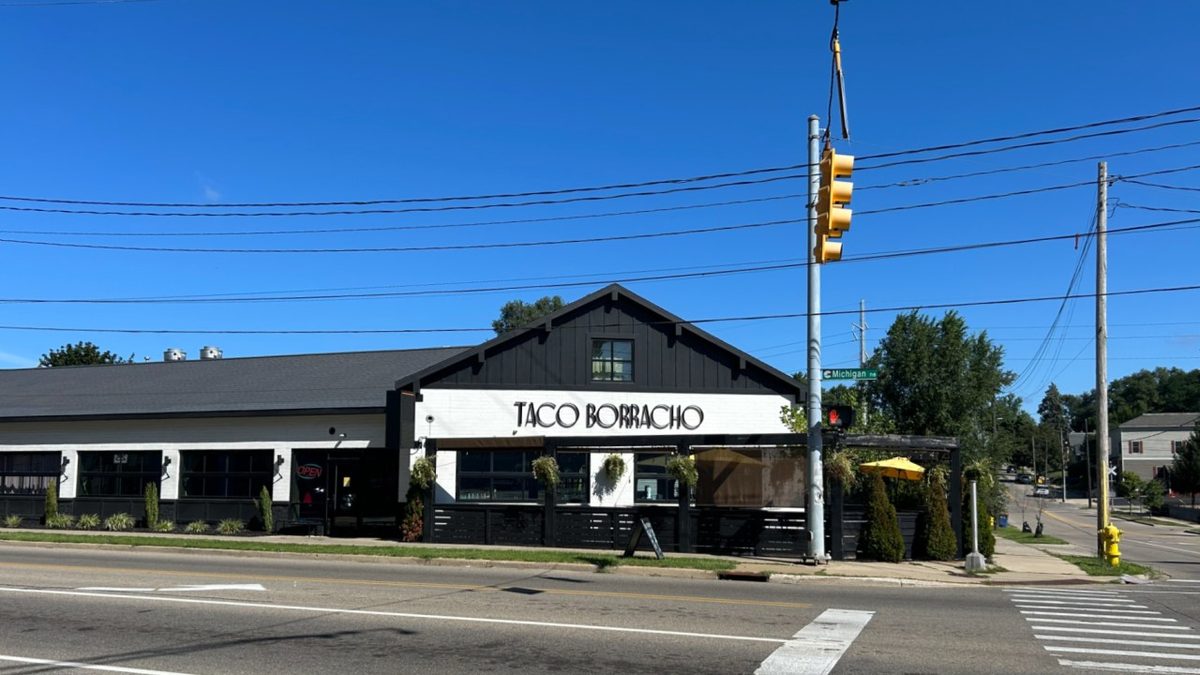
Taco Borracho will close permanently on Nov. 29, owner Angel Gonzalez said in a Facebook post. He cited his own business mistakes and pressures outside his control, writing that "continuing is no longer sustainable."

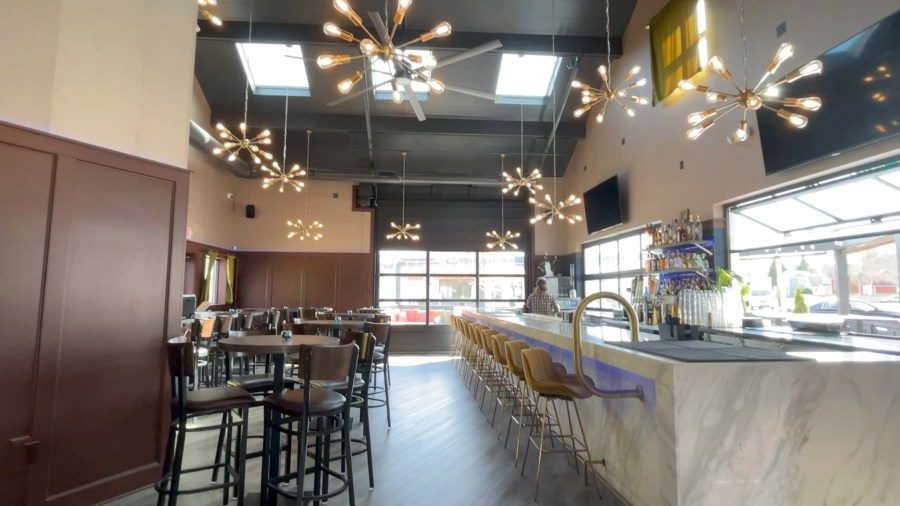
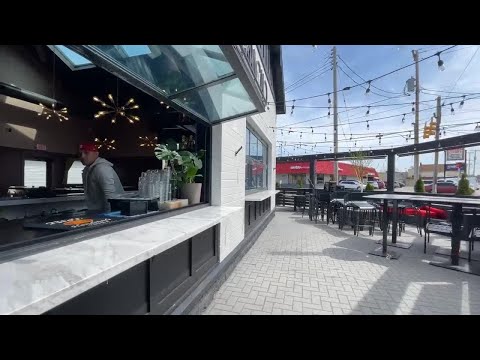
The restaurant opened in May 2022 at a former car wash on Michigan Street and became a gathering place for Latino music and culture. It briefly closed days after its Cinco de Mayo opening when staff could not keep up with crowds. Gonzalez urged residents to support small businesses, saying owners "deserve an opportunity to succeed."

Why it matters

The closure highlights the thin margins and external pressures facing small restaurants, and the loss of a cultural hub in Grand Rapids.

Last Monday's email for Grand Rapids, MI

Sent Nov 16. It carried:

Get next Monday's: one short email a week. Free. Unsubscribe in one click.

Questions about this story

Free account needed to ask — your question is kept and asked for you right after sign-up. Answers are public.

No questions yet — be the first to ask.

Key Indicators

1
Restaurant closing
Taco Borracho will close permanently on Nov. 29.
4.5
Years in business
Opened in May 2022, closing in November 2026.

Voices

Curated perspectives — historical figures and your fellow readers.

Sign up to generate historical perspectives on this story.

People Involved

Organizations Involved

Timeline

May 2022 November 2026

4 events Latest: November 13th, 2026 · 1 week ago
Tap a bar to jump to that date
  1. Taco Borracho set to close permanently

    Upcoming Closure

    The restaurant's final day of operation.

  2. Owner announces closure

    Latest Announcement

    Angel Gonzalez cites business mistakes and challenging times in a Facebook post.

  3. Taco Borracho temporarily closes days after opening

    Setback

    Less than a week after opening for Cinco de Mayo, the restaurant shut its doors, citing long waits and understaffing. Owner Angel Gonzalez said it turned away hundreds of customers and later expanded the staff before reopening.

  4. Taco Borracho opens in Grand Rapids

    Opening

    The Latino-owned restaurant opens at the site of a former car wash.

Scenarios

1

Taco Borracho closes as planned on Nov. 29

Likely Resolves by Nov 30, 2026

Discussed by: Owner Angel Gonzalez

The restaurant ceases operations on its announced final day, and the space becomes vacant.

2

Owner announces new restaurant venture

Possible Resolves by Nov 30, 2027

Discussed by: Local business observers

Angel Gonzalez opens a new restaurant or food business in Grand Rapids within a year.

3

New business takes over Taco Borracho space

Possible Resolves by End of 2027

Discussed by: Local real estate watchers

A new tenant leases the former Taco Borracho location and opens a business.

Historical Context

2 moments from history that rhyme with this story — and how they unfolded.

2020-2021

COVID-19 restaurant closures (2020-2021)

The COVID-19 pandemic forced widespread restaurant closures across the United States due to lockdowns, capacity limits, and consumer caution. Many small, independent restaurants permanently shut down.

Then

Millions of restaurant jobs were lost.

Now

The industry adapted with takeout and outdoor dining, but many small businesses never recovered.

Why this matters now

Shows how external shocks can push already vulnerable small restaurants to close.

2007-2009

Great Recession small business closures (2007-2009)

The financial crisis and ensuing recession led to a sharp drop in consumer spending, causing many small businesses, including restaurants, to close.

Then

Small business closures surged.

Now

Lending tightened, making it harder for new businesses to start.

Why this matters now

Illustrates how economic downturns disproportionately affect small, community-oriented businesses.

Sources

(4)