1
Ceasefire reached, Strait of Hormuz reopens, gasoline falls under $3.50
Possible
Resolves by Q1 2027
Discussed by: Analysts quoted by Reuters and AP News frame Hormuz reopening as the main path to lower prices.
A ceasefire or de-escalation lets Iran reopen the waterway to tanker traffic. Crude supply normalizes, refining margins ease, and pump prices drift down over several weeks. Tom Seng at Texas Christian University notes this is the clearest trigger, though he flags other factors that could keep prices elevated.
2
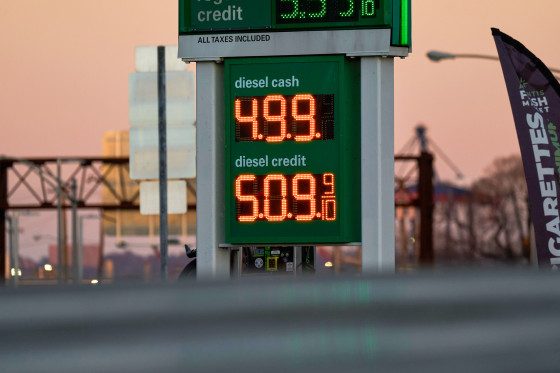
Winter heating crisis: gasoline stays above $4, diesel tops $6
Possible
Resolves by End of 2026
Discussed by: TT News and AP flag diesel's role as heating oil in Northeast states, including swing-district Maine.
If the Strait stays closed into winter, diesel and heating oil keep climbing since they are nearly interchangeable. Freight costs push into food and retail prices. The highest share of Maine homes heats with oil, giving the issue direct political weight in an upcoming Senate race.
3
Federal Reserve raises rates as fuel inflation grips the economy
Possible
Resolves by End of 2026
Discussed by: Traders quoted by TT News see about a 50-50 chance of a rate hike when the Fed meets in mid-September.
With broader inflation climbing on fuel costs, the central bank tightens policy. That raises borrowing costs at a moment when households already pay more at the pump. A hike would signal the Fed views the fuel shock as entrenched rather than temporary.
4
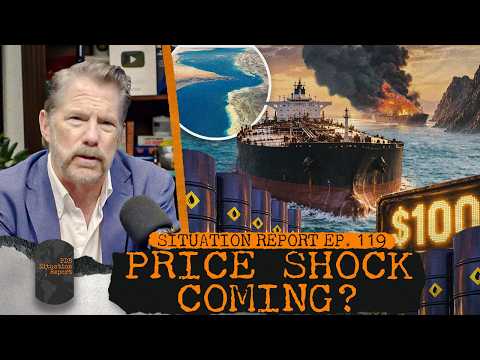
Tanker war widens, oil holds above $100 into October
Deadline passed (Oct 15, 2026)
Discussed by: Reuters and Time reporters covering the Sept. 9 attacks
If the US-Iran tanker attacks continue, shipping through the Strait of Hormuz stays near zero and crude prices hold above $100. Diesel and gasoline keep setting records, and the Fed's rate hike does little to cool fuel inflation.
5
UN diplomacy yields a ceasefire framework
Deadline passed (Oct 15, 2026)
Discussed by: Axios via Reuters; Trump says he hopes the war is nearing an end
Trump is set to meet Middle East leaders at the UN and said he hoped an end to the war against Iran was near. A ceasefire framework could reopen the Strait of Hormuz and let Saudi Arabia repair its East-West Pipeline, pulling pump prices down. No talks on Hormuz are scheduled, and Houthi-Saudi fighting is escalating in parallel.
6
Houthi-Saudi front widens into a second oil choke point
Possible
Resolves by Oct 31, 2026
Discussed by: Reuters reporters covering the Sept. 17 Houthi-Saudi escalation
Houthi fighters are launching drones and missiles at Saudi cities and tightening their grip on Bab el Mandeb, another critical waterway. Saudi aircraft are pounding Yemen. If the East-West Pipeline stays down and Bab el Mandeb traffic is threatened, Saudi oil exports face two closed routes at once.