



Nuremberg Trials (1945-1946)
November 1945 - October 1946What Happened
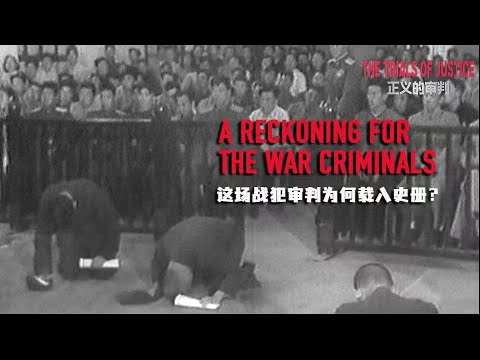
Following World War II, the Allied powers established an international tribunal to prosecute 22 senior Nazi leaders for war crimes, crimes against humanity, and waging aggressive war. The trials established precedents for individual criminal responsibility for state leaders.
Outcome
Twelve defendants were sentenced to death, seven to prison terms. The trials legitimized the concept of international criminal justice.
Nuremberg established that 'following orders' is not a defense and that heads of state can face prosecution—principles codified in later international law.
Why It's Relevant Today
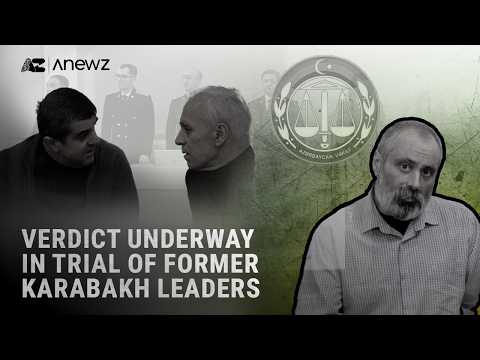
Azerbaijan frames its trial in similar terms: holding leaders accountable for crimes committed during conflict. Critics note the key difference: Nuremberg was conducted by international tribunal with recognized legitimacy; Baku's proceedings occur in a domestic military court of the victorious party, without international observers or due process standards.
