

Pull to refresh
Logo
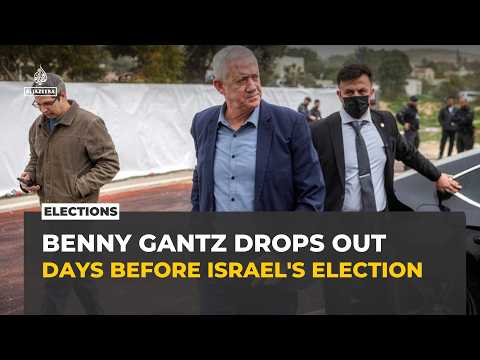
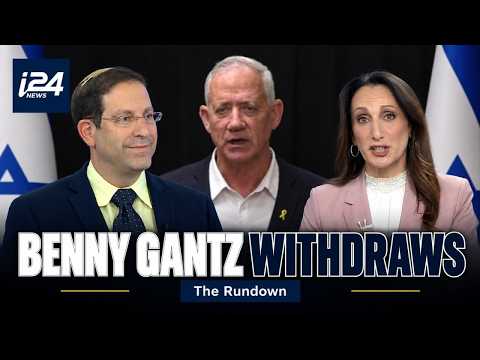
Benny Gantz drops out of Israel's election race

Benny Gantz drops out of Israel's election race

Force in Play

Former defense minister's party was polling below the 3.25% threshold to enter parliament

Yesterday: Gantz drops out of election race

Overview

Updated 2 hours ago

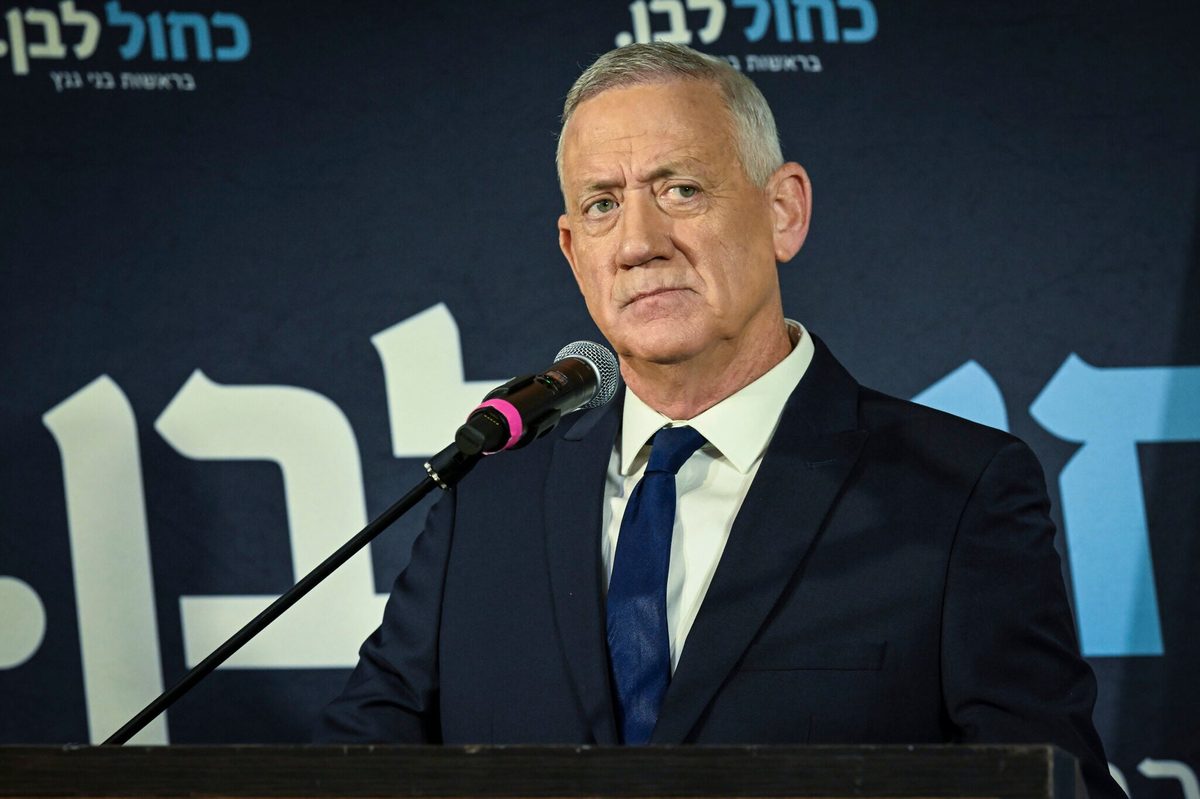
Benny Gantz, a former Israeli army chief and defense minister, announced Monday he will not run in the October 27 election. Polls showed his Blue and White party below the 3.25 percent threshold needed to win seats in the 120-seat Knesset.

Gantz's exit removes the 'third bloc' that offered voters an alternative to both Prime Minister Benjamin Netanyahu and the opposition alliance led by Gadi Eisenkot. The race now narrows to two blocs, with neither projected to win a clear majority.

Why it matters

With Gantz out, Israel's election narrows to two blocs, raising the odds of a parliamentary deadlock and a repeat vote.

Questions about this story

Free account needed to ask — your question is kept and asked for you right after sign-up. Answers are public.

No questions yet — be the first to ask.

Key Indicators

3.25%
Electoral threshold
Minimum share of valid votes a party needs to enter the Knesset.
8
Days from exit to election
Gantz announced his withdrawal eight days before the October 27 vote.
38
Parties on the ballot
Only 11 to 13 are projected to win seats.
13
Seats projected for Arab-led lists
Two Arab-led lists could be critical to any post-election coalition.
540,000
New eligible voters since 2022
The votes needed to enter the Knesset are projected to reach a record high.

Voices

Curated perspectives — historical figures and your fellow readers.

Ever wondered what historical figures would say about today's headlines?

Sign up to generate historical perspectives on this story.

People Involved

Organizations Involved

Timeline

1 event Latest: Yesterday
  1. Gantz drops out of election race

    Latest Statement

    Benny Gantz announces he will not run in the October 27 election after polls showed his Blue and White party below the 3.25 percent threshold.

Scenarios

1

Israel faces repeat election after coalition deadlock

Likely Resolves by End of 2026

Discussed by: Foreign Policy, Al Jazeera

Neither bloc wins a clear 61-seat majority. Both sides rule out cooperation with Arab-led lists. Coalition talks fail, triggering new elections.

2

Netanyahu forms coalition with defectors

Possible Resolves by End of 2026

Discussed by: Al Jazeera, ynet

Likud and its far-right allies fall short of 61 seats but recruit defectors from other parties to form a government.

3

Eisenkot forms minority government

Possible Resolves by End of 2026

Discussed by: Foreign Policy

Opposition leader Gadi Eisenkot assembles a minority coalition or temporary alliance to replace Netanyahu, possibly triggering new elections shortly after.

Historical Context

2 moments from history that rhyme with this story — and how they unfolded.

April 2019

Israeli election threshold miss (2019)

In the April 2019 election, a party missed entering the Knesset by 1,450 votes, a margin smaller than a single polling station.

Then

The missed threshold changed the Knesset's composition and the coalition math.

Now

Showed how small margins determine which parties enter parliament.

Why this matters now

Gantz's exit, even if his remaining voters are few, could shift the balance in a tight race.

November 2022

2022 election and the 4,000-vote margin

In November 2022, a party was left out of the Knesset due to 4,000 missing votes.

Then

The resulting Knesset and government shaped the following four years.

Now

Demonstrated the electoral threshold's power to change outcomes.

Why this matters now

Shows how a small number of votes can determine the shape of Israel's government.

Sources

(8)