

Pull to refresh
Logo
Boston Scientific recalls spinal cord stimulator leads after more than 1,000 serious injuries

Boston Scientific recalls spinal cord stimulator leads after more than 1,000 serious injuries

Rule Changes

FDA Class I recall covers unused Infinion CX leads; implanted devices remain in place

Today: Fierce Biotech reports on recall and injury count

Overview

Updated 1 hour ago

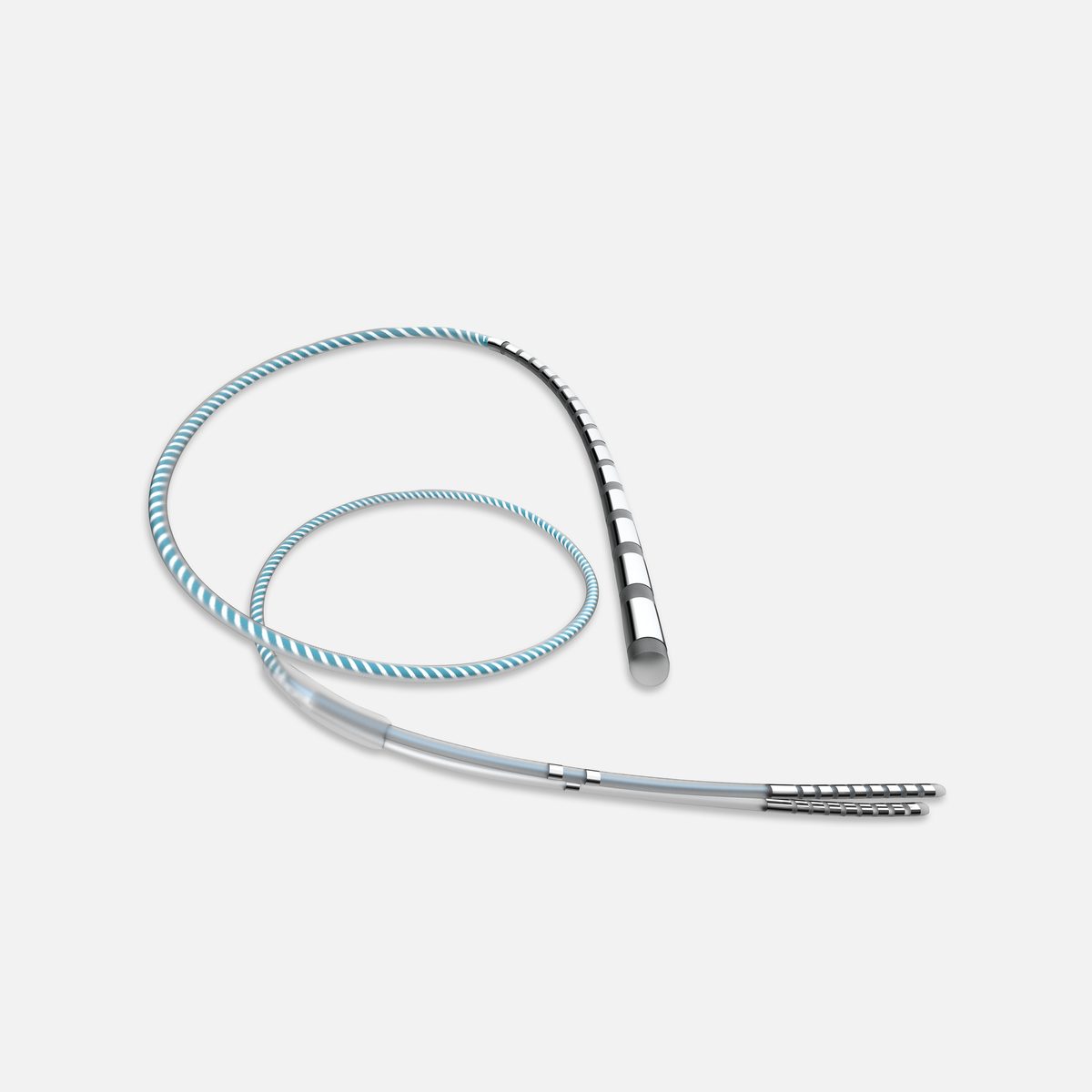
Boston Scientific pulled unused spinal cord stimulator leads from the market after the FDA linked them to more than 1,000 serious injuries. The Infinion CX lead, which delivers electrical pulses to mask chronic pain, can fracture where it anchors to the spine.

The recall covers only unused inventory, not devices already implanted in patients. But the 1% fracture rate over a decade of implants raises questions about the lead's design. The replacement, the Infinion Pro, uses a changed lead body configuration that may or may not fix the problem.

Why it matters

Patients with implanted Infinion CX leads may face inadequate pain relief or revision surgery if the lead fractures at the anchor site.

Questions about this story

Free account needed to ask — your question is kept and asked for you right after sign-up. Answers are public.

No questions yet — be the first to ask.

Key Indicators

1,081
Serious injuries reported
As of May 27, 2026, per Boston Scientific's report to the FDA.
1,079
Unused leads recalled
Devices subject to the Class I recall, per the FDA recall database.
1%
Lead fracture rate
Between September 2014 and April 2026, per Boston Scientific's field safety notice.
Class I
FDA recall classification
Most serious recall category; continued use may cause serious injury or death.

Voices

Curated perspectives — historical figures and your fellow readers.

Ever wondered what historical figures would say about today's headlines?

Sign up to generate historical perspectives on this story.

Play

Exploring all sides of a story is often best achieved with Play.

Most of these play right now — no account needed. Sign up to save scores, keep a streak, and unlock Debate and Predict. Log in Sign Up
Predict 3 ways this could play out. Back the one you believe — contrarian picks score more when a scenario has a resolution date. Log in to play

Organizations Involved

Timeline

September 2014 September 2026

6 events Latest: Today
Tap a bar to jump to that date
  1. Fierce Biotech reports on recall and injury count

    Today Media

    Fierce Biotech covers the recall, noting more than 1,000 serious injuries tied to the leads.

  2. FDA classifies recall as Class I

    Regulatory

    FDA assigns most serious recall category, covering about 1,079 unused leads.

  3. Boston Scientific initiates recall

    Recall

    Company sends letters to customers to stop use and return unused Infinion CX leads.

  4. Boston Scientific reports 1,081 serious injuries

    Reporting

    Company reports serious injuries tied to Infinion CX lead fractures to the FDA.

  5. Fracture data collection period ends

    Data

    Boston Scientific records a 1% fracture rate for Infinion CX leads over the collection period.

  6. Infinion CX lead enters market

    Product Launch

    Boston Scientific begins selling the Infinion CX lead for chronic pain management.

Historical Context

2 moments from history that rhyme with this story — and how they unfolded.

October 2007

Medtronic Sprint Fidelis recall (2007)

Medtronic recalled its Sprint Fidelis defibrillator leads after they were found to fracture, potentially causing inappropriate shocks or failure to deliver life-saving therapy. The leads were implanted in about 268,000 patients worldwide.

Then

Class I recall, FDA investigation, Medtronic stopped selling the leads immediately.

Now

Thousands of lawsuits, Medtronic paid over $200 million in settlements, and the recall became a case study in implantable device failures.

Why this matters now

Like the Infinion CX, the Sprint Fidelis was a lead that fractured in the body, requiring surgical intervention. The recall pattern, including Class I classification and litigation, is nearly identical.

August 2010

DePuy ASR hip recall (2010)

Johnson & Johnson's DePuy Orthopaedics recalled its ASR hip replacement systems after data showed high failure rates within five years of implantation. About 93,000 patients were affected worldwide.

Then

DePuy offered to cover revision surgery costs and faced immediate litigation.

Now

Johnson & Johnson paid roughly $2.5 billion to settle U.S. patient claims, one of the largest medical device settlements in history.

Why this matters now

Shows the scale of litigation and financial exposure that can follow a large implant recall, a trajectory the Infinion CX cases may follow.

Sources

(7)