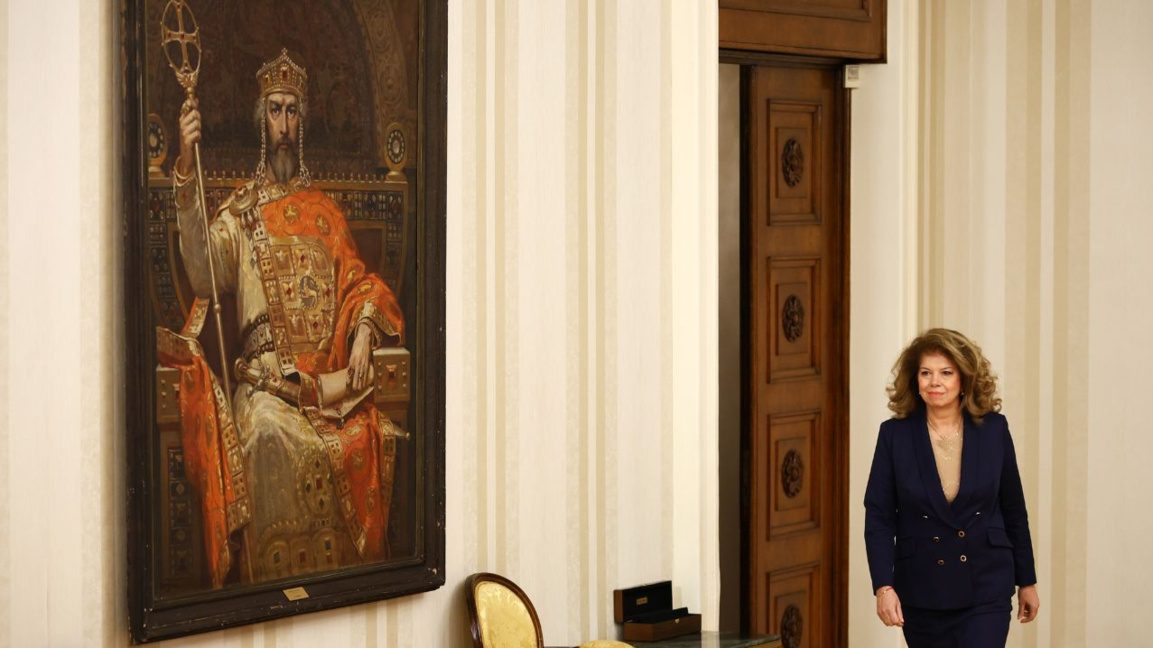
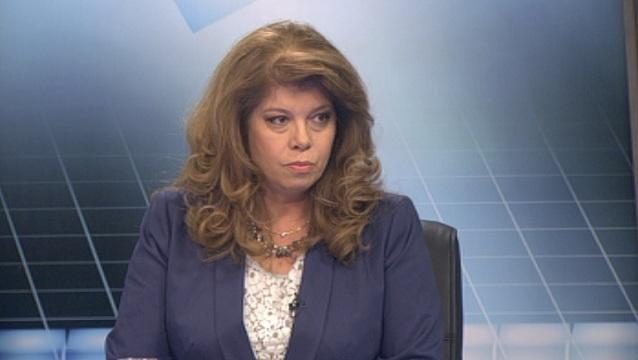
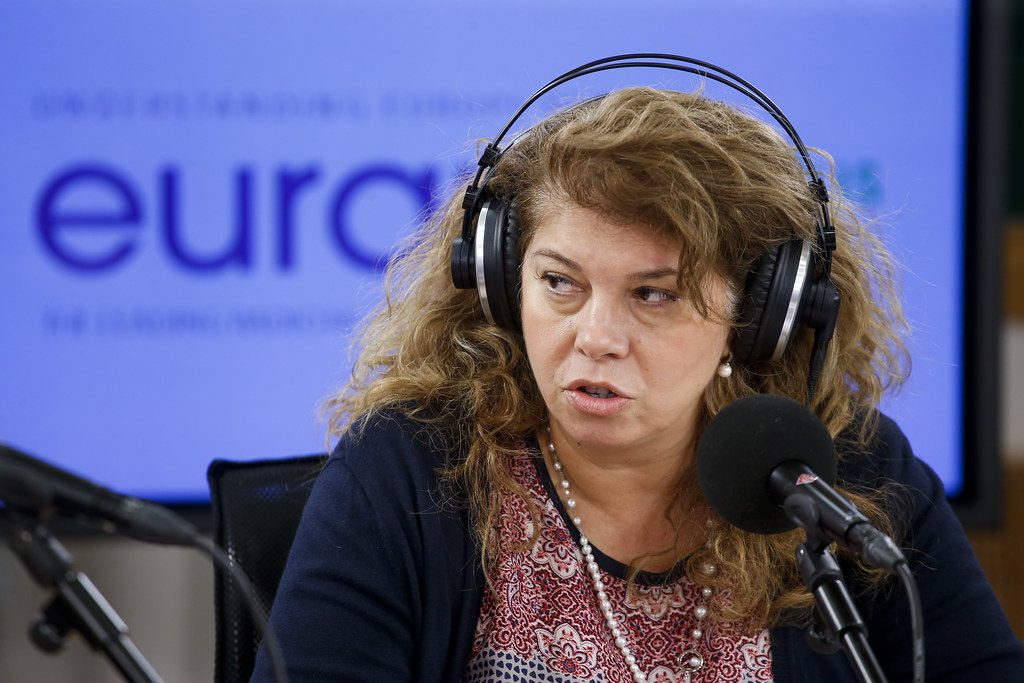
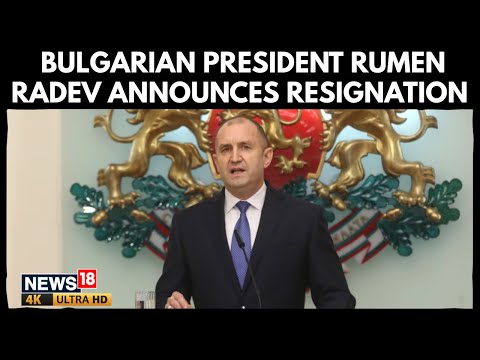
Bulgaria has had five presidents in its 33-year post-communist history. None resigned before completing their term—until Rumen Radev stepped down on January 23, 2026. His departure elevated Vice President Iliana Iotova to become Bulgaria's first female head of state, a historic milestone overshadowed by the deepest political instability the country has faced since the fall of communism.
Radev's resignation is a repositioning. The former air force general has signaled he'll form a new political party to contest snap elections expected in late March. He's joining a crowded field as Bulgaria heads toward its eighth parliamentary vote in five years. His target: the coalition of longtime rival Boyko Borissov and U.S.-sanctioned oligarch Delyan Peevski, whose government collapsed in December after the largest street protests Bulgaria has seen this century.
Questions about this story
Free account needed to ask — your question is kept and asked for you right after sign-up. Answers are public.
No questions yet — be the first to ask.
Key Indicators
8th
Snap election since 2021
Bulgaria will hold its eighth parliamentary election in five years in March 2026
150,000+
Peak protest turnout
Largest demonstrations since 1989, forcing the Zhelyazkov government's resignation in December 2025
1st
Female president
Iliana Iotova becomes the first woman to hold Bulgaria's presidency in its 33-year democratic history
21st
Eurozone member
Bulgaria adopted the euro on January 1, 2026, nearly two decades after joining the European Union
Images from Openverse under Creative Commons licenses.
Videos from YouTube.
Voices
Curated perspectives — historical figures and your fellow readers.
Dorothy Parker
(1893-1967) ·Jazz Age · wit
Fictional AI pastiche — not real quote.
"Bulgaria gets its first female president the way most women get promotions—someone's stepping stone on the way to somewhere else. A general who can't win resigns so he can run again, leaving the vice president to mind the store during the looting. History isn't made, darling—it's merely what happens while the men are changing costumes."
100% found this insightful
Ever wondered what historical figures would say about today's headlines?
Sign up to generate historical perspectives on this story.
21 events
Latest: February 5th, 2026 · 7 months ago
Showing 8 of 21
JK to step
Tap a bar to jump to that date
Jump to
February 2026
Borissov urges swift caretaker PM appointment
LatestPolitical
GERB leader Boyko Borissov publicly called on President Iotova to immediately appoint a caretaker government, warning that Bulgaria faces an institutional vacuum with the president and government resigned and parliament unable to function normally.
Iotova targets elections on first date after Easter
Political
During parliamentary consultations, President Iotova stated her aim is to hold snap elections on the first possible Sunday after Easter, likely April 5 or 12. Consultations continue through February 6 with all parliamentary groups.
TISP flags two caretaker PM candidates as politically biased
Political
There Is Such a People (TISP) floor leader Tosho Yordanov told President Iotova that two of the five willing caretaker PM candidates are strongly politically biased during consultations on the constitutional procedure.
President Iotova completes consultations with parliamentary parties
Political
President Iotova concluded consultations with all parliamentary groups regarding caretaker prime minister appointment. She met with representatives of BSP-United Left and There Is Such a People (TISP), following earlier meetings with other parties. Iotova emphasized the need for a caretaker PM who meets citizens' expectations and called for stability and a transparent electoral process.
Iotova begins parliamentary consultations on caretaker government
Political
President Iotova scheduled to begin consultations with parliamentary parties on February 4 regarding caretaker prime minister appointment. Five officials have expressed willingness to serve, with choice expected after party consultations complete.
January 2026
Radev clarifies party will form after elections
Political
Former President Radev stated he will establish a political party only after the snap elections, not before them. He noted that Bulgarian law requires at least three months to register a new party, making participation in March elections impossible. Radev emphasized the party would 'unite all democrats—left and right' to ensure fair elections.
Five officials express willingness to serve as caretaker PM
Political
By end of consultations, five officials agreed to serve: National Audit Office President Dimitar Glavchev, Vice Presidents Margarita Nikolova and Silvia Kadreva, Deputy Ombudsman Maria Filipova, and BNB Deputy Governor Andrey Gurov. Central Bank Governor Dimitar Radev and Deputy Governors Petar Chobanov and Radoslav Milenkov declined, citing legal concerns.
Deputy Ombudsman Filipova willing to serve as caretaker PM
Political
Deputy Ombudsman Maria Filipova became the second official to accept potential appointment after meeting with President Iotova. Ombudsman Velislava Delcheva declined, citing need to maintain independence of her position.
BNB officials decline caretaker PM role; Gurov only willing candidate
Political
Bulgarian National Bank Governor Dimitar Radev and Deputy Governor Radoslav Milenkov declined to serve as caretaker prime minister, citing legal and ethical concerns. Only Deputy Governor Andrey Gurov expressed willingness to serve, stating he would accept 'following clear principles and no hidden conditions.'
Iotova begins consultations for caretaker government
Political
President Iotova begins constitutional procedure to appoint caretaker prime minister, meeting with National Assembly Chair Raya Nazaryan, Central Bank officials, and National Audit Office President Dimitar Glavchev. Choice narrows to either Deputy Central Bank Governor Andrey Gurov or Audit Office President Glavchev.
Iotova becomes Bulgaria's first female president
Succession
Constitutional Court unanimously approves Radev's resignation. Vice President Iliana Iotova assumes presidency for remainder of term ending January 2027.
Radev announces resignation in televised address
Political
President becomes first Bulgarian head of state to resign, signaling intent to participate in upcoming elections through new political party.
All government formation attempts fail
Political
President Radev's third and final exploratory mandate returned unfulfilled. Bulgaria heads to snap elections with caretaker government.
Bulgaria adopts the euro
Economic
Bulgaria becomes the eurozone's 21st member, nearly two decades after EU accession. Polls show public opinion split roughly 46-47% for and against.
December 2025
Zhelyazkov government resigns
Political
Prime minister announces resignation minutes before scheduled no-confidence vote, citing 'the voice of the people.' Government lasted less than a year.
Government withdraws controversial budget
Political
Prime Minister Zhelyazkov pulls the 2026 budget plan, but protests continue with expanded demands including government resignation.
Protests swell to largest in decades
Protest
Between 50,000 and 100,000 demonstrators fill Sofia's streets. Sofia's mayor calls it the best-attended protest in a decade.
November 2025
Anti-budget protests erupt nationwide
Protest
Proposed 2026 budget with tax increases triggers demonstrations. About 20,000 gather in Sofia on the first day.
January 2025
Zhelyazkov government takes office
Political
GERB forms minority coalition with Socialists and populist ITN party, relying on Peevski's MRF for parliamentary support.
June 2021
U.S. Treasury sanctions Peevski for corruption
Sanctions
Global Magnitsky designation targets Peevski and his networks, the largest single-day action in the program's history with 65+ individuals and entities named.
April 2021
Bulgaria enters era of serial elections
Political
First of seven snap elections in four years as anti-corruption protests fracture the political landscape. Voter turnout will decline to record lows.
Scenarios
1
Radev's New Party Wins; Reforms Anti-Corruption Institutions
Possible
Discussed by: Balkan Insight, Al Jazeera analysts covering Bulgarian politics
Radev forms a party uniting anti-corruption voters from left and right, capitalizing on protest momentum. If his coalition wins enough seats to govern without Peevski's MRF support, he could pursue judicial reforms and anti-corruption measures. This would require sustaining protest energy through March and converting it into voter turnout—historically low in recent Bulgarian elections.
2
GERB Returns to Power; Status Quo Continues
Likely
Discussed by: Bloomberg, Wilson Center analysis on Bulgarian political patterns
Despite protests, GERB remains Bulgaria's largest party. If voter turnout stays low and the opposition fragments, Borissov could form another coalition—potentially again with Peevski's support. This would extend the pattern of unstable governments and likely trigger renewed protests, but Bulgaria's fragmented opposition has repeatedly failed to consolidate into a governing alternative.
3
Far-Right Parties Surge; Coalition Math Shifts
Possible
Discussed by: Euronews, Wilson Center reporting on Bulgarian far-right
Parties like Revival and Greatness have gained ground by opposing euro adoption and EU integration. If they capture enough protest votes from disillusioned citizens, they could become kingmakers or even coalition partners. This would complicate Bulgaria's relationship with NATO and the EU while potentially blocking reform-minded governments.
4
Ninth Election Looms as Coalition Attempts Fail Again
Possible
Discussed by: Institute of Central Europe, Balkan Insight crisis analysis
Bulgaria's pattern since 2021 has been elections followed by failed coalition negotiations. If March produces another fragmented parliament with no viable majority, the country could face its ninth election within months. This would deepen voter apathy—turnout hit a record-low 34.4% in June 2024—and further erode institutional legitimacy.
Historical Context
3 moments from history that rhyme with this story — and how they unfolded.
1 of 3
September - November 2000
Peru's Presidential Resignation Crisis (2000)
President Alberto Fujimori, facing corruption scandals and declining support, fled to Japan and faxed his resignation from Tokyo. Peru's Congress refused to accept it, instead voting to remove him for being 'permanently morally disabled.' The constitutional crisis led to transitional government and eventually democratic restoration.
Then
Interim president Valentín Paniagua oversaw new elections. Fujimori remained in exile for five years.
Now
Fujimori was later extradited and imprisoned for human rights violations and corruption. Peru's institutions weathered the crisis but remained fragile.
Why this matters now
Unlike Fujimori's flight from accountability, Radev's resignation is a strategic repositioning to seek greater power through elections. But both cases illustrate how presidential resignations—rare in presidential systems—can reshape political competition when they occur.
2 of 3
January 2015
Croatia's First Female President (2015)
Kolinda Grabar-Kitarović defeated incumbent Ivo Josipović to become Croatia's first female post-independence president and the first woman in Europe to defeat a sitting president seeking reelection. She won 50.7% in a runoff election.
Then
Her victory marked a shift from center-left to center-right leadership in Croatia's largely ceremonial presidency.
Now
She served one term (2015-2020) before losing reelection. Croatia's presidency remained a platform for national identity politics rather than executive power.
Why this matters now
Iotova's ascension differs fundamentally—she wasn't elected president directly but elevated through resignation. However, both cases represent milestones for women's political representation in post-communist Balkans, where female heads of state remain rare.
3 of 3
January 2017 - August 2018
Romania's Anti-Corruption Protests (2017-2018)
Romania's Social Democratic government attempted to decriminalize certain corruption offenses through emergency ordinance, triggering protests that peaked at 500,000 demonstrators—the largest since the 1989 revolution. The protests forced the government to withdraw the ordinance but did not immediately remove the ruling party from power.
Then
The emergency ordinance was withdrawn. Prime Minister Grindeanu was ousted by his own party in June 2017, replaced by party loyalists.
Now
Sustained civic pressure contributed to the Social Democrats' defeat in 2019 elections. Romania's anti-corruption institutions survived but remain contested.
Why this matters now
Bulgaria's December 2025 protests drew similar numbers and focused on similar targets: corrupt elites and captured institutions. The Romanian case shows protests can force tactical retreats without immediately changing who governs.