



Pull to refresh
Logo
CARICOM payment system enters pilot phase across Caribbean

CARICOM payment system enters pilot phase across Caribbean

New Capabilities

Pilot connects The Bahamas, Barbados, Trinidad and Tobago, and the eight-member Eastern Caribbean Currency Union

Today: CAPSS enters pilot phase

Overview

Updated 1 hour ago

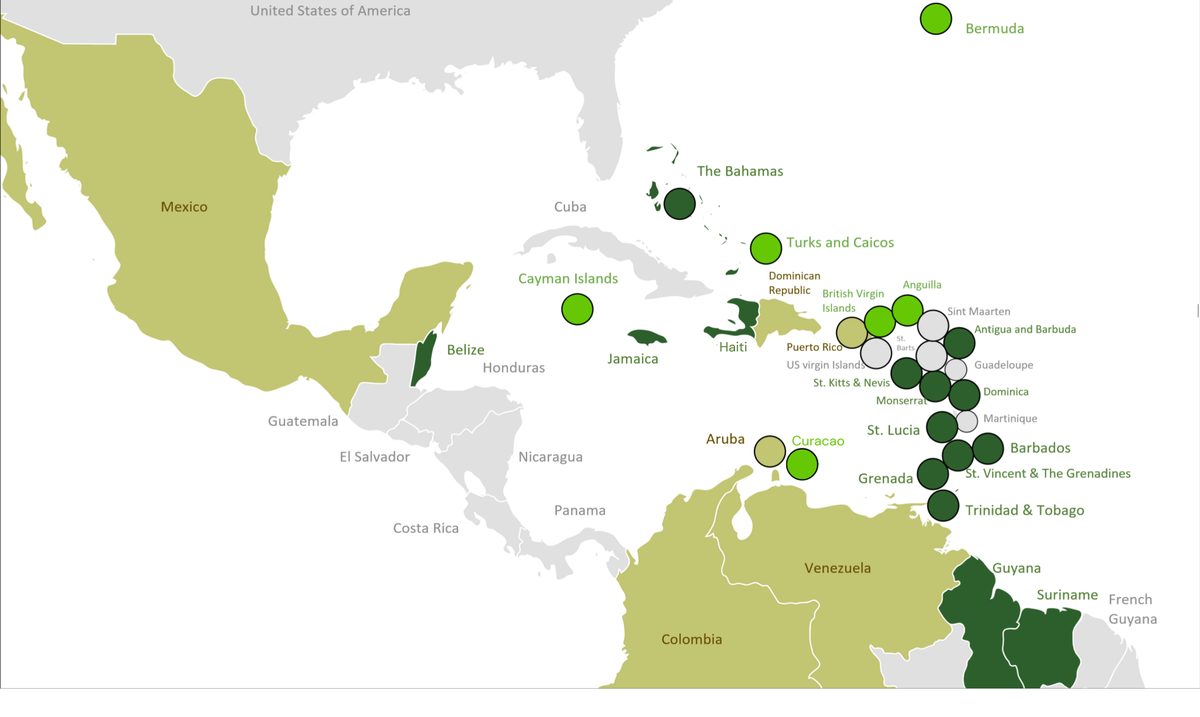
A Barbadian business buying goods from Trinidad has long had to convert to U.S. dollars to pay. That hurdle is coming down. In October 2026, the CARICOM Payment and Settlement System (CAPSS) entered its pilot phase, allowing cross-border payments to settle in local currencies across 11 Caribbean jurisdictions.

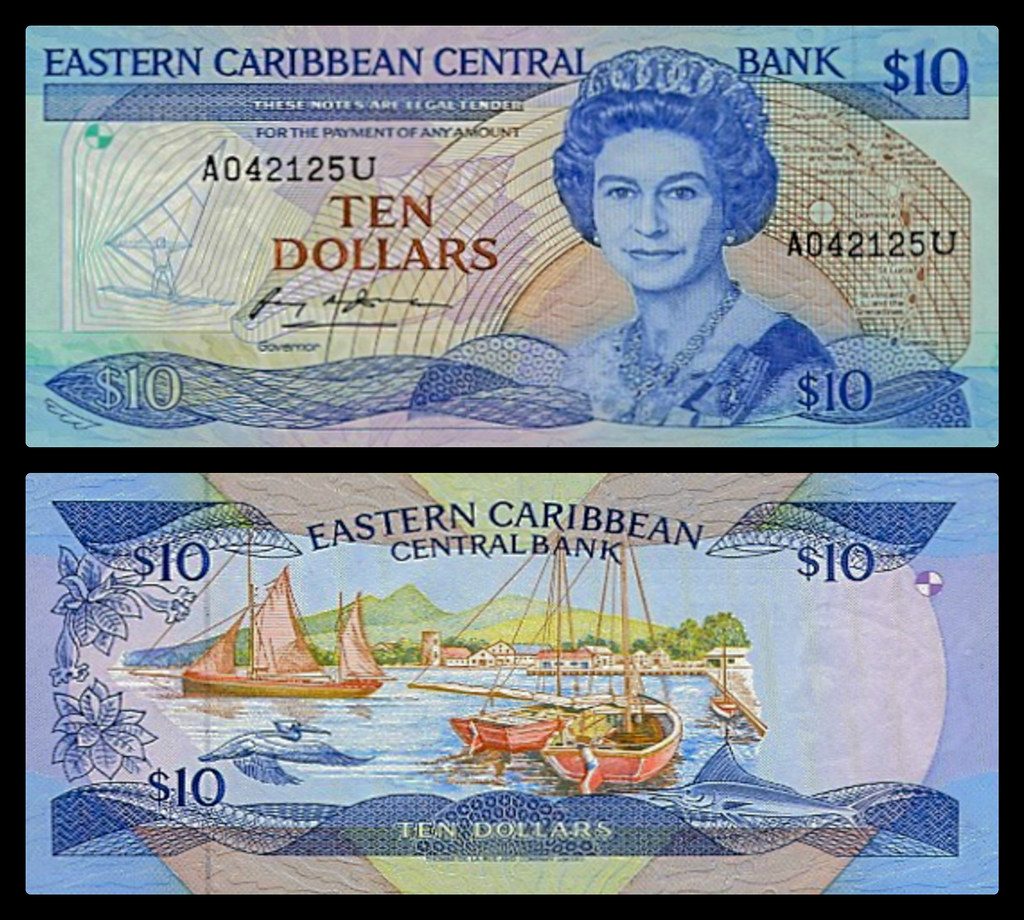
The pilot connects The Bahamas, Barbados, Trinidad and Tobago, and the eight members of the Eastern Caribbean Currency Union. Day-to-day transactions bypass the dollar; central banks settle background balances in U.S. dollars. The goal is to cut foreign-exchange costs, revive intra-regional trade, and sidestep a correspondent-banking network that has shrunk by roughly 40% over the past 15 years, according to research by the Economist Intelligence Unit.

Why it matters

Caribbean businesses will stop paying currency-conversion costs on regional trade and gain a path to direct payments with Africa.

Questions about this story

Free account needed to ask — your question is kept and asked for you right after sign-up. Answers are public.

No questions yet — be the first to ask.

Key Indicators

11
Caribbean jurisdictions in the CAPSS pilot
The Bahamas, Barbados, Trinidad and Tobago, plus the eight members of the Eastern Caribbean Currency Union.
40%
Correspondent banks that left the Caribbean
Economist Intelligence Unit research from 2024 found roughly 40% of correspondent banks withdrew from the region over 15 years.
8%
CARICOM goods exports going to regional partners
IMF figure for the share of the bloc's total goods exports that stay within the region.
16
African countries connected by PAPSS
The Pan-African Payment and Settlement System, the model CAPSS is built on, links banks across 16 African nations.

Voices

Curated perspectives — historical figures and your fellow readers.

Ever wondered what historical figures would say about today's headlines?

Sign up to generate historical perspectives on this story.

People Involved

Organizations Involved

Timeline

October 2023 October 2026

5 events Latest: Today
Tap a bar to jump to that date
  1. CAPSS enters pilot phase

    Today Milestone

    The CARICOM Payment and Settlement System enters its pilot phase, enabling real-time local currency payments across 11 Caribbean jurisdictions.

  2. Port of Spain meeting keeps pilot on track

    Meeting

    Regional central banks meet in Port of Spain; work continues toward finalizing agreements, governance, and onboarding participants.

  3. Governors approve CAPSS pilot

    Decision

    At their 65th meeting in Willemstad, Curaçao, Caribbean central bank governors agree to move beyond proof of concept. Pilot group named: The Bahamas, Barbados, Trinidad and Tobago, and the ECCU.

  4. Live payment settles without dollars in Nassau test

    Proof of concept

    A live Barbados-Bahamas payment settles in each country's own currency at the Central Bank of The Bahamas. Trinidad and Tobago takes part; Suriname observes.

  5. CARICOM central banks adopt PAPSS

    Decision

    All 11 Caribbean central banks unanimously adopt the Pan-African Payment and Settlement System as their preferred intra-regional settlement system.

Scenarios

1

CAPSS pilot succeeds and expands across the Caribbean

Likely Resolves by End of 2027

Discussed by: ECCB Governor Timothy Antoine and Afreximbank officials have outlined a path from pilot to full regional rollout.

The pilot runs through 2027 with the initial participants. Central banks finalize governance, onboard system participants, and refine settlement mechanics. A successful pilot would bring remaining CARICOM members like Guyana, Suriname, and Jamaica into the system, expanding the rail across the region. Antoine has said the next step is to add at least two more central banks to the initial pilot.

2

Caribbean-Africa payment bridge goes live

Possible Resolves by End of 2028

Discussed by: CARICOM central banks have stated plans to link CAPSS to PAPSS after the pilot.

Central banks plan to connect CAPSS to PAPSS, creating a payment bridge between Caribbean and African markets. If the pilot succeeds, businesses could settle cross-continental payments in local currencies without dollar intermediation. This would create a two-region corridor connecting the Caribbean to 16 African countries already on PAPSS.

3

CAPSS pilot stalls as legislative and technical hurdles mount

Possible Resolves by End of 2027

Discussed by: AfroPitch notes full rollout is subject to legislative and technical implementation across member states.

Full regional rollout depends on individual member states passing enabling legislation and aligning technical standards. Differences in legal frameworks, identity verification systems, and national payment infrastructure could slow the timeline. Guyana, Suriname, and other CARICOM members are not yet in the pilot, and correspondent banking economics could resist the shift.

Historical Context

2 moments from history that rhyme with this story — and how they unfolded.

January 2022

Pan-African Payment and Settlement System launch (2022)

Afreximbank and the African Union launched PAPSS to reduce reliance on external currencies for intra-African trade. The system now connects banks and payment providers across 16 African countries, settling cross-border transactions in local currencies in real time.

Then

African businesses gained a real-time settlement rail for cross-border payments without dollar intermediation.

Now

PAPSS became the template for CAPSS. All 11 CARICOM central banks adopted it as their preferred system in October 2023.

Why this matters now

CAPSS is built on PAPSS's design, with the same technology partner and settlement approach. The Caribbean rollout tests whether the model transfers beyond Africa.

2008-2014

Single Euro Payments Area implementation (2008-2014)

The European Union harmonized euro-denominated cross-border payments through the Single Euro Payments Area, standardizing formats and eliminating intra-regional conversion fees.

Then

Cross-border euro payments became as fast and cheap as domestic ones.

Now

SEPA became a reference model for regional payment integration, showing what is possible when a region standardizes settlement.

Why this matters now

CAPSS aims to do for the Caribbean what SEPA did for Europe: make regional payments seamless by removing the currency-conversion barrier. The difference is CAPSS operates with multiple local currencies rather than a single shared one.

Sources

(10)