
Pull to refresh
Logo
Cash App Pay goes live on FastSpring checkout

Cash App Pay goes live on FastSpring checkout

New Capabilities

US software buyers can now pay with Cash App balance instead of entering card details

Yesterday: Cash App Pay goes live on FastSpring

Overview

Updated 1 hour ago

FastSpring sellers in the US can now accept Cash App Pay at checkout. The option went live September 30, letting buyers pay from their Cash App balance instead of typing card details.

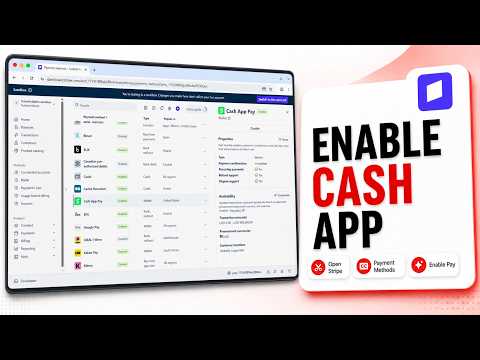
Sellers must contact FastSpring Support to enable the method; it is not on by default. Cash App Pay covers one-time and manual recurring purchases, with support for auto-recurring subscriptions still to come.

Why it matters

US software buyers can now pay with Cash App balance at FastSpring sellers, cutting checkout friction for millions of Cash App users.

Questions about this story

Free account needed to ask — your question is kept and asked for you right after sign-up. Answers are public.

No questions yet — be the first to ask.

Key Indicators

$1B+
FastSpring annual transaction volume
The merchant of record says it processes over a billion dollars in worldwide transactions yearly.
US only
Cash App Pay availability
Limited to US buyers paying in USD; Cash App is not offered outside the US.
2
Purchase types supported at launch
Perpetual products and manual recurring purchases; auto-recurring support is planned.

Voices

Curated perspectives — historical figures and your fellow readers.

Ever wondered what historical figures would say about today's headlines?

Sign up to generate historical perspectives on this story.

People Involved

Organizations Involved

Timeline

April 2024 September 2026

3 events Latest: Yesterday
  1. Cash App Pay goes live on FastSpring

    Latest Product launch

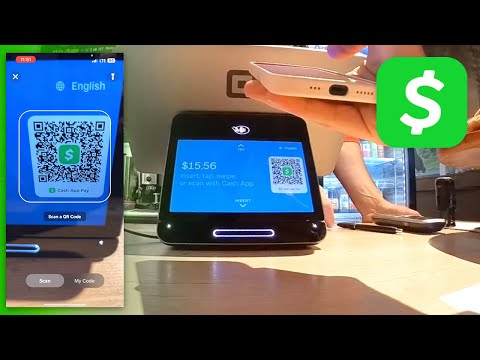
    US buyers can pay with Cash App balance at FastSpring sellers via one-tap mobile flow or QR code on desktop.

  2. Cash App Pay integrates with Google Play

    Partnership

    Block brought Cash App Pay to Android checkout, giving consumers an alternative payment option on Google Play.

  3. FastSpring adds Apple Pay and Pix

    Product launch

    Merchant of record expanded US and Brazil payment options and introduced seller controls over checkout methods.

Scenarios

1

FastSpring adds auto-recurring Cash App Pay support

Likely Resolves by Q2 2027

Discussed by: FastSpring developer documentation, which says auto-recurring support is coming soon

FastSpring currently supports Cash App Pay for perpetual products and manual recurring purchases. If the company ships auto-recurring support, subscription sellers can offer Cash App Pay without buyers re-confirming each cycle, matching how card payments work.

2

Cash App Pay stays limited to US perpetual and manual recurring sales

Possible Resolves by Q2 2027

Discussed by: Cash App's US-only footprint and FastSpring's stated regional limits

Cash App operates only in the US, and FastSpring's documentation ties the method to USD payments and US transactions. Absent a US expansion of Cash App itself, this scenario keeps the method a niche option for sellers who actively enable it.

3

Cash App Pay expands beyond the US on FastSpring

Unlikely Resolves by Q1 2028

Discussed by: Square developer documentation, which states Cash App Pay is supported only in the United States

Cash App Pay currently renders only for US-based sellers across the Block ecosystem. A cross-border expansion would require Block to extend Cash App's banking and payments infrastructure internationally, a much larger effort than adding a checkout toggle.

Historical Context

3 moments from history that rhyme with this story — and how they unfolded.

2002-2006

PayPal's shift to merchant checkout (2000s)

PayPal began as a person-to-person payment tool on eBay and added a merchant checkout button that let buyers pay from their account balance or linked cards without sharing card details.

Then

The checkout button became a trusted alternative to card entry, and PayPal grew into one of the most widely accepted online payment methods.

Now

It showed that a peer-to-peer payment network can become a mainstream merchant payment rail once enough consumers hold balances in it.

Why this matters now

Cash App Pay is the modern version of that shift: turning a balance held in a peer-to-peer app into a merchant checkout method at scale.

October 2014

Apple Pay merchant rollout (2014)

Apple launched Apple Pay with iPhone 6, letting buyers tap to pay at stores using a stored card. Within months, major retailers and apps added the option to their checkout flows.

Then

Apple Pay became a standard mobile checkout method in the US and later abroad, with most major card issuers and merchants on board within a few years.

Now

It established the pattern of a device-based wallet arriving at checkout and forcing merchants to support a new payment option to satisfy buyer demand.

Why this matters now

Cash App Pay is following the same playbook: a consumer payment method moving from the wallet into merchant checkout, starting US-only and expanding as adoption grows.

2017

Cash App Card launch (2017)

Block issued a Visa debit card to Cash App users, letting them spend their Cash App balance at any merchant that accepts Visa instead of only sending money to other people.

Then

The card gave Cash App balances real-world spending power and boosted everyday use of the app.

Now

It extended Cash App from person-to-person transfers into merchant payments, the foundation Cash App Pay now builds on at online checkout.

Why this matters now

Cash App Pay extends the same idea to e-commerce: letting users pay merchants directly from their Cash App balance without a physical card.

Sources

(8)