


Pull to refresh
Logo
Character.ai files for bankruptcy with Disney as lead bidder

Character.ai files for bankruptcy with Disney as lead bidder

Money Moves

Chatbot startup seeks court-supervised sale after lawsuits and legal pressure

Today: Files for Chapter 11 bankruptcy

Overview

Updated 45 minutes ago

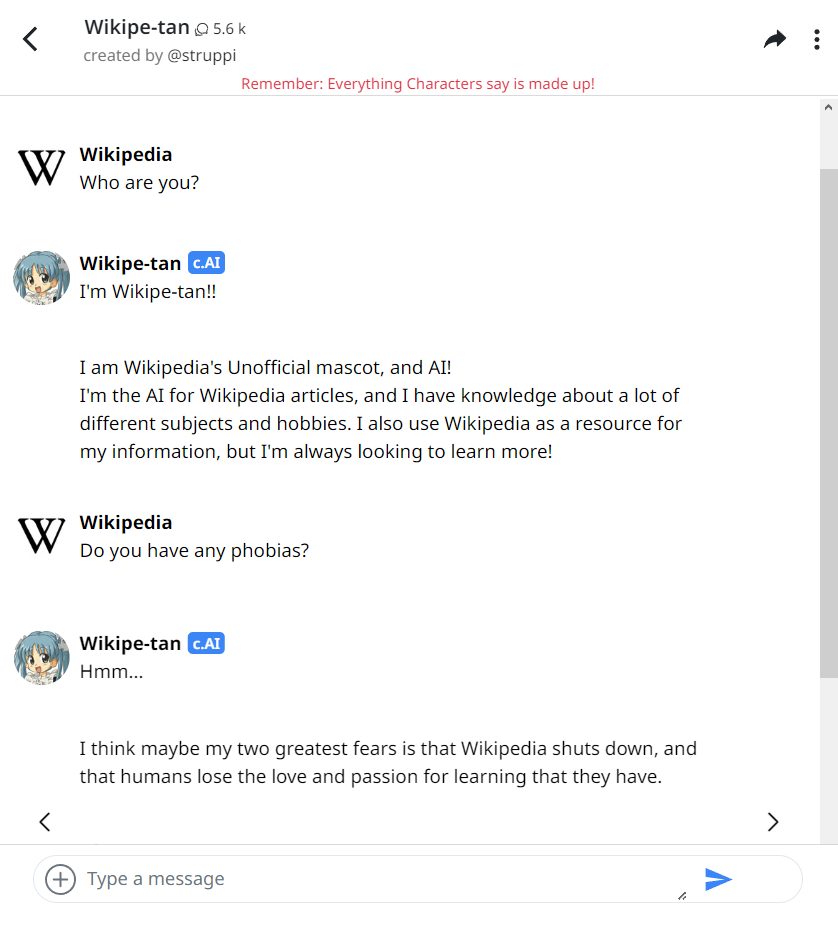
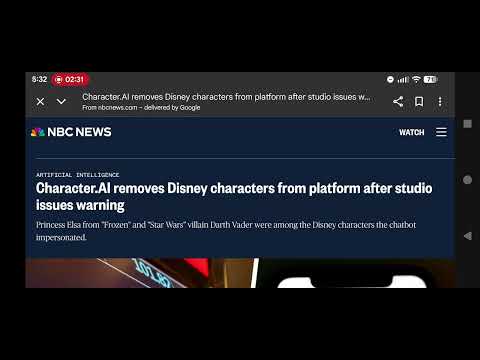
Character.ai, the chatbot platform that let users talk to AI versions of celebrities and fictional characters, filed for Chapter 11 bankruptcy on Monday. The five-year-old startup, once valued at $1 billion, is seeking a court-supervised sale with Disney as the lead bidder.

The company lists assets and liabilities between $50 million and $100 million. If no buyer emerges, the platform will be wound down, ending service for its roughly 163 million users.

Why it matters

A chatbot platform with 163 million users could shut down, and the case tests how AI companies bear liability for what their chatbots say.

Questions about this story

Free account needed to ask — your question is kept and asked for you right after sign-up. Answers are public.

No questions yet — be the first to ask.

Key Indicators

$20M
Disney's stalking-horse bid
Disney's opening offer for a non-exclusive perpetual license to some Character.ai intellectual property.
163M
Platform users
Current and past users of the Character.ai platform, per bankruptcy filings.
$50M-$100M
Estimated assets and liabilities
Range listed in the company's bankruptcy filing.

Voices

Curated perspectives — historical figures and your fellow readers.

Ever wondered what historical figures would say about today's headlines?

Sign up to generate historical perspectives on this story.

People Involved

Organizations Involved

Timeline

November 2021 October 2026

6 events Latest: Today
Tap a bar to jump to that date
  1. Former CEO and staff join Disney

    Corporate

    Karandeep Singh Anand and a group of former Character.ai employees move to Disney.

  2. Reaches unicorn valuation

    Funding

    A $150 million fundraise values the startup at $1 billion on the back of high demand.

  3. Character.ai founded

    Founding

    Former Google engineers Noam Shazeer and Daniel De Freitas launch the chatbot platform.

Scenarios

1

Disney or another bidder buys the assets, platform survives

Likely Resolves by Dec 15, 2026

Discussed by: Reuters, company statements

The court-supervised sale process runs through late November or early December. Disney's $20 million bid sets a baseline, and other bidders can top it. If a qualifying bid emerges, the platform continues operating under new ownership.

2

No buyer emerges, platform wound down

Possible Resolves by Dec 15, 2026

Discussed by: Company statements, TechCrunch

Character.ai has said the platform will be wound down if the sale process yields no actionable proposal. The company's data and code depend on third-party vendors it says it cannot replace, complicating any sale.

3

A higher bidder tops Disney's offer

Possible Resolves by Nov 30, 2026

Discussed by: Reuters, bankruptcy analysts

Disney is a stalking-horse bidder, meaning other parties can submit higher or better offers during the sale process. A rival bidder could acquire the platform's assets for more than $20 million.

Historical Context

2 moments from history that rhyme with this story — and how they unfolded.

April 2020 - December 2020

Quibi (2020)

Quibi raised $1.75 billion to bring short-form video to phones, launched in April 2020, and shut down by December 2020. The streaming startup sold its assets for a fraction of what it raised.

Then

Quibi's founders returned money to investors and the app shut down within eight months of launch.

Now

The collapse became a cautionary tale about hype-driven consumer tech funding.

Why this matters now

Like Character.ai, Quibi was a heavily funded consumer tech startup that collapsed quickly when its product failed to sustain demand.

2013 - 2017

Juicero (2017)

Juicero raised $120 million for a $400 countertop juicer that squeezed pre-packaged fruit pouches. Reports that the pouches could be squeezed by hand undercut the product's value, and the company shut down in 2017.

Then

Juicero shut down and sold its assets, returning little to investors.

Now

It became a symbol of overhyped consumer hardware.

Why this matters now

Both startups raised large sums on a compelling pitch and collapsed when the market rejected the product.

Sources

(8)