
Pull to refresh
Logo
Chicago opens COVID-19 monument, first new Illinois Medical District park since 1946

Chicago opens COVID-19 monument, first new Illinois Medical District park since 1946

Built World Chicago, IL local

$4.95 million project adds green space and a memorial to the nation's largest hospital corridor

Overview

Updated 59 minutes ago

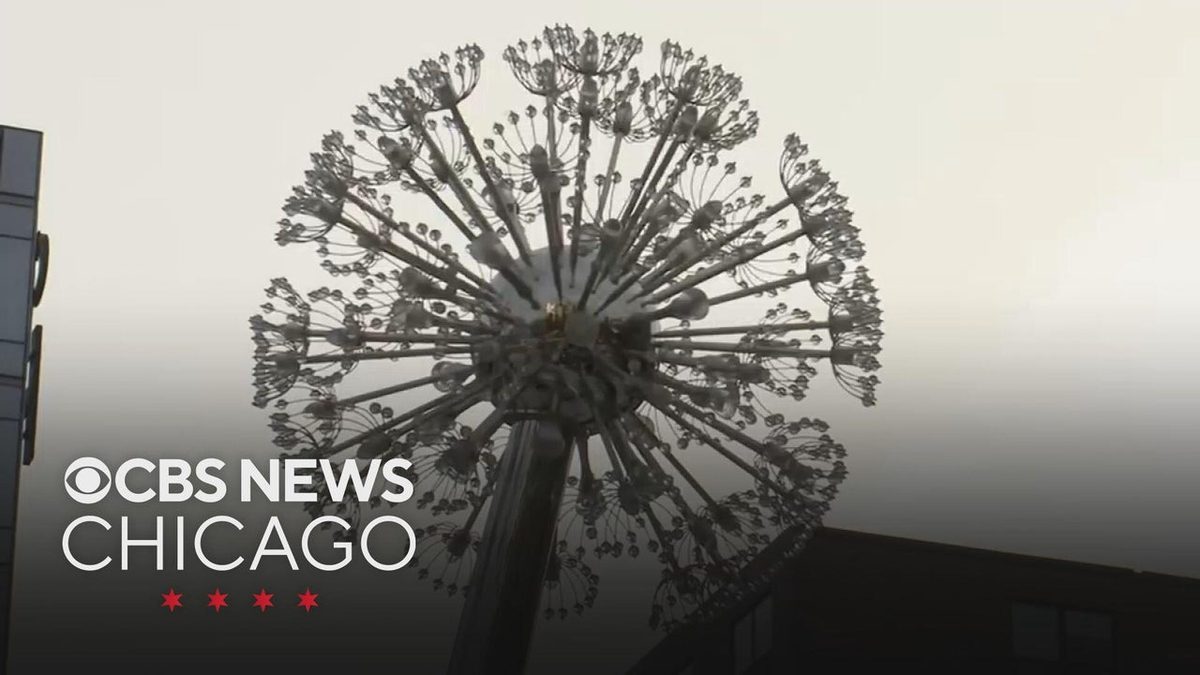
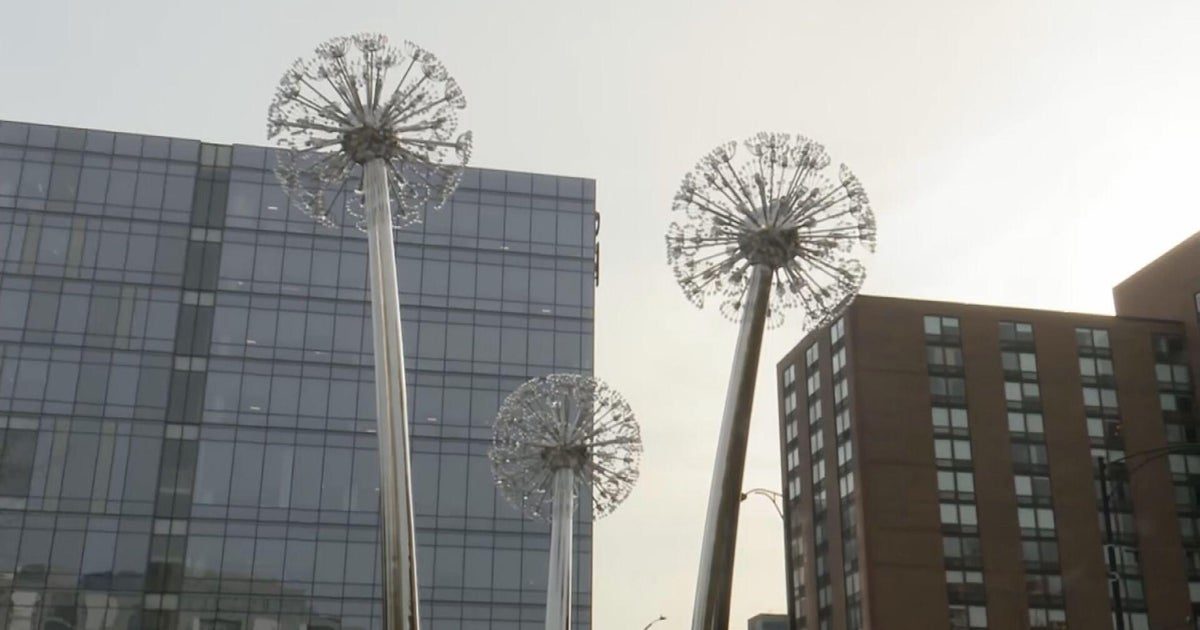
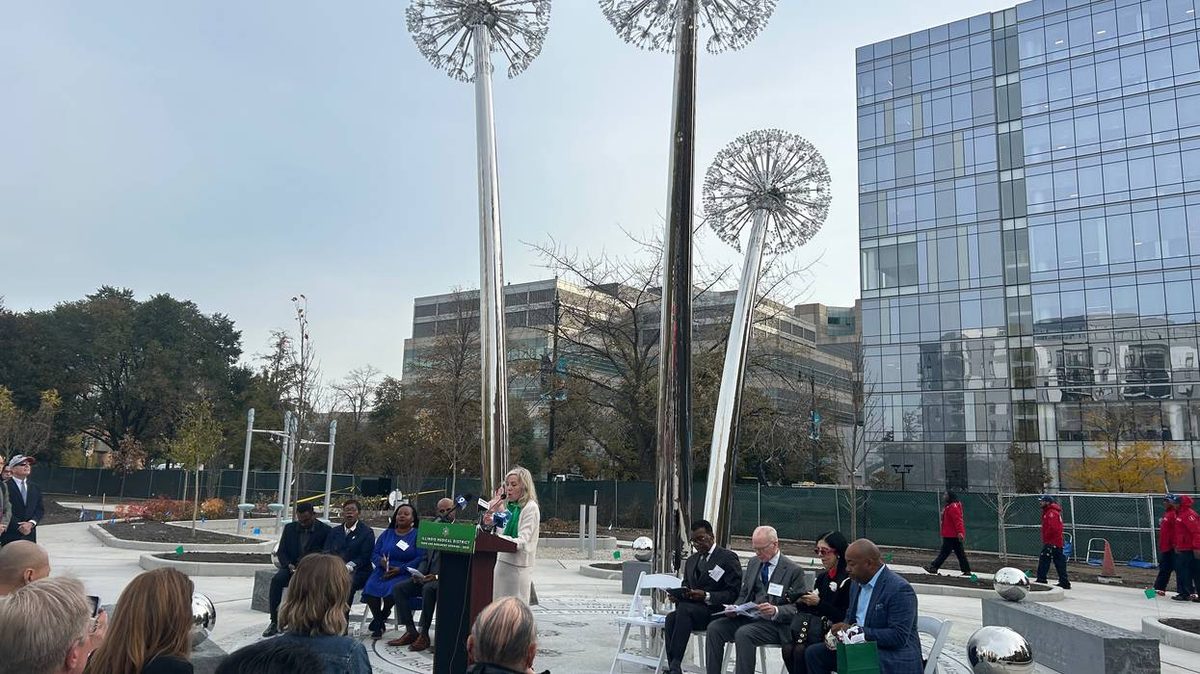
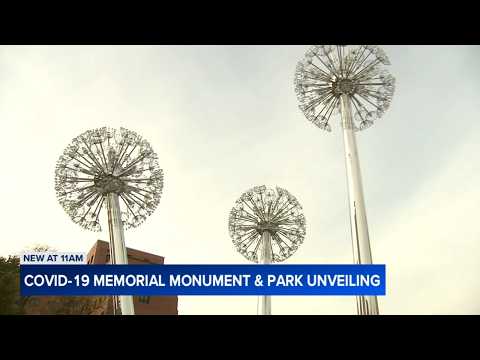
Chicago cut the ribbon Tuesday on its first new public park in the Illinois Medical District since 1946. The one-acre IMD Park, between Stroger Hospital and the Jesse Brown VA Medical Center, centers on a 25-foot stainless steel monument that fuses a dandelion puff with the core of the COVID-19 virus.

The $4.95 million project, funded mostly by state money, gives the country's largest concentration of hospitals a green space for workers, patients and neighbors. Its monument honors the essential workers who kept the city running and the more than seven million people worldwide who died from COVID-19.

Why it matters

The first new park in the Medical District since 1946 gives hospital workers and patients a permanent place to mourn and recover from the pandemic.

Monday: what changed in Chicago, IL

One short email a week with the openings, closings, permits and council votes we covered. Free. Unsubscribe in one click.

Questions about this story

Free account needed to ask — your question is kept and asked for you right after sign-up. Answers are public.

No questions yet — be the first to ask.

Key Indicators

$4.95M
Cost of IMD Park project
Combination of state capital funds, open-space grants and Hektoen Institute support.
3
Stainless steel sculptures in the monument
Three soaring forms combining a dandelion puff with the COVID-19 virus core.
$3.4M
State capital appropriation secured by Sen. Lakesia Collins
Largest single funding source for the $4.95 million project.
25 ft
Tallest sculpture height
The tallest of the three monument sculptures at the Polk and Damen corner.

Voices

Curated perspectives — historical figures and your fellow readers.

Sign up to generate historical perspectives on this story.

People Involved

Organizations Involved

Timeline

2021 December 2026

9 events Latest: Yesterday
Tap a bar to jump to that date
  1. Full park opening expected

    Upcoming Opening

    Park expected to fully open, unfenced and accessible 24/7.

  2. Ribbon-cutting opens IMD Park

    Latest Ceremony

    City and state officials cut ribbon on IMD Park and the Global COVID-19 Monument of Honor, Remembrance and Resilience.

  3. Monument dedication at UIC

    Ceremony

    Hektoen Institute holds indoor dedication ceremony at University of Illinois Chicago.

  4. Ground broken on IMD Park

    Construction

    Officials break ground on the new Illinois Medical District park.

  5. Old Easter Seals building demolished

    Demolition

    Former Easter Seals building on the site is torn down.

  6. Design submissions close

    Competition

    More than 100 designs submitted from around the world.

  7. Design competition opens

    Competition

    Commission opens worldwide call for monument design concepts.

  8. Winning designer selected

    Competition

    Casey Schachner wins $20,000 prize for dandelion-and-virus concept.

  9. Monument commission founded

    Founding

    Sally Metzler forms volunteer COVID-19 Monument Commission in Chicago.

Scenarios

1

IMD Park opens fully on schedule

Likely Resolves by Dec 15, 2026

Discussed by: Block Club Chicago, citing the Dec. 1 target set by district officials

Block Club reported the Dec. 1 target as crews finished planting and landscaping at the Oct. 27 ribbon-cutting. The unfenced park then goes fully public, activating its playground, fitness areas, walking path and lawn. Construction is nearly complete, making this the most likely path.

2

Sculpture night lighting stalls past 2027

Possible Resolves by Q2 2027

Discussed by: Metzler, who told Block Club the lighting depends on final details with the city and ComEd

The monument's sculpture tops are meant to illuminate in different colors at night once agreements with the city and utility ComEd are finalized. Utility coordination can lag after construction ends. If the paperwork stalls, the lighting feature could stay off well after the park opens.

3

Monument anchors an annual remembrance tradition

Possible Resolves by Oct 31, 2027

Discussed by: Project leaders, who framed the site as an 'enduring purpose' for remembering the pandemic

The monument's online Memory Garden and the early-October UIC dedication suggest the commission intends ongoing programming. An annual ceremony at the site would make the memorial a lasting tradition rather than a one-time dedication. It depends on volunteers sustaining the effort without dedicated staff.

Historical Context

3 moments from history that rhyme with this story — and how they unfolded.

November 1982

Vietnam Veterans Memorial (1982)

A national design competition drew 1,421 entries; Yale student Maya Lin's black granite wall, bearing the names of the dead, won. The memorial opened on the National Mall in November 1982 after a bitter public controversy.

Then

Dedicated in November 1982; became one of Washington's most visited memorials.

Now

Set the template for open public design competitions and memorials that provoke dialogue rather than consensus.

Why this matters now

Casey Schachner's 2023 win used the same mechanism — an open, juried competition — to give the COVID monument its dandelion-and-virus form.

1946

Louis Pasteur Monument (1946)

Chicago relocated a monument to scientist Louis Pasteur from Grant Park to Harrison Street in the Illinois Medical District, across from the old Cook County Hospital building.

Then

Gave the district its only public monument for eight decades.

Now

IMD Park now ends that stretch as the district's first new public green space since 1946.

Why this matters now

It frames the scale of the moment — the district went 80 years without a new public park.

1918-1919

1918 influenza pandemic

The flu infected about a third of the world's population and killed an estimated 50 million people, yet produced almost no lasting public monuments in the United States.

Then

Few permanent memorials were built; the dead were remembered privately, in obituaries and family records.

Now

Historians cite the flu's absence of public memory as a reason later generations underestimated pandemic risk.

Why this matters now

COVID-19's deliberate memorialization — a 25-foot steel monument plus an online Memory Garden — marks a sharp break from the 1918 flu's silence in stone.

Sources

(4)