


Pull to refresh
Logo
DailyPay completes second asset-backed securitization of on-demand pay

DailyPay completes second asset-backed securitization of on-demand pay

Money Moves

Second $200M ABS brings receivables-backed funding to about $1.4 billion

Yesterday: DailyPay completes second $200M ABS

Overview

Updated Yesterday

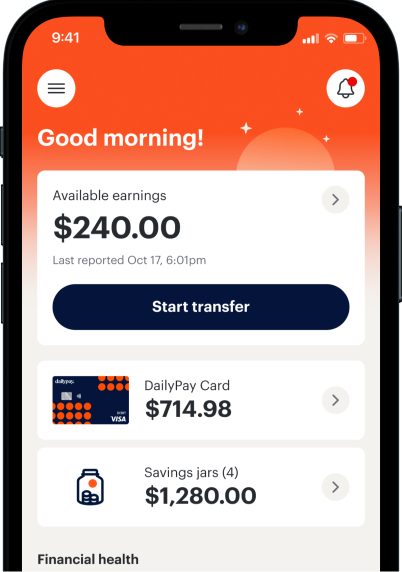
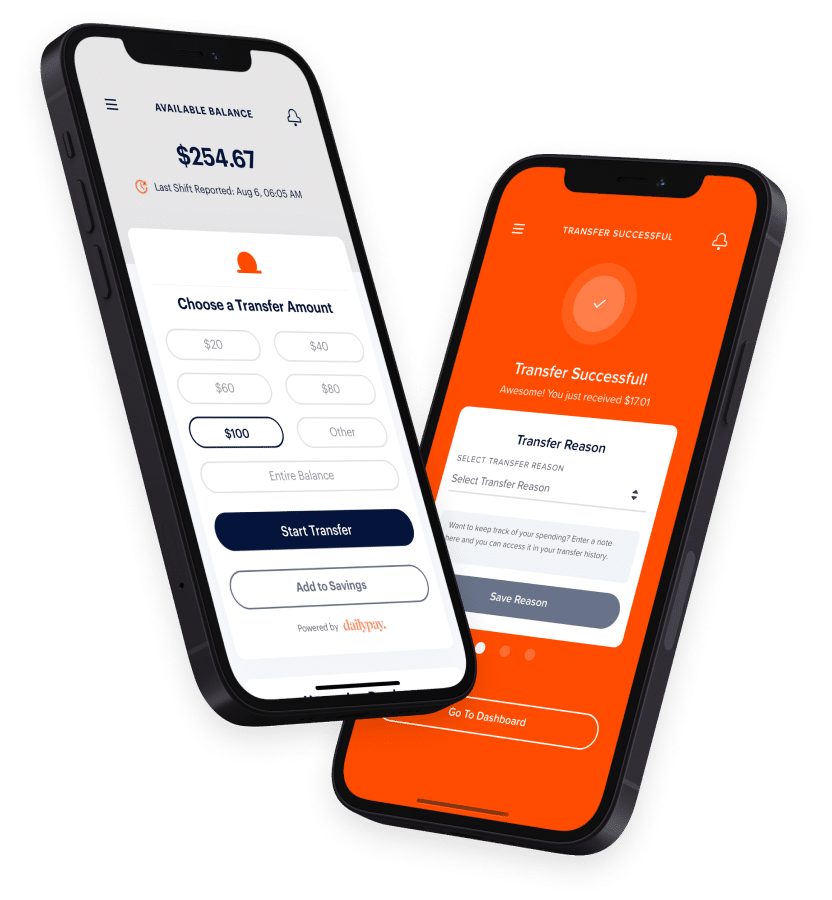
DailyPay lets employees draw wages they've already earned before payday, and funds those transfers itself. That means the company needs a steady supply of capital — and it has started raising it the way credit card issuers and auto lenders do, by selling bonds backed by its receivables.

On October 8, DailyPay completed a $200 million asset-backed securitization, its second since June 2025. The deal pushes its total debt financing backed by on-demand pay receivables to roughly $1.4 billion, and DailyPay says it is the only earned wage access provider to reach the asset-backed securities (ABS) market.

Why it matters

If on-demand pay assets hold up in capital markets, earned wage access gets cheaper for employers to offer; if they sour in a downturn, DailyPay's funding costs rise and the benefit gets pricier.

Questions about this story

Free account needed to ask — your question is kept and asked for you right after sign-up. Answers are public.

No questions yet — be the first to ask.

Key Indicators

$1.4B
Total receivables-backed debt financing
Includes a $960M secured credit facility plus two $200M ABS issuances.
$200M
Size of October 2026 ABS
DailyPay's second securitization, issued as DLPY 2026-1.
AA (sf)
Highest note rating
Morningstar DBRS rated Class A notes AA (sf), down to BB (sf) on Class D.
2,000+
Employers on platform
More than 6 million employees can access pay through DailyPay.
80%+
Receivables repaid within 13 days
Average receivable term is seven days, tied to employer pay cycles.

Voices

Curated perspectives — historical figures and your fellow readers.

Ever wondered what historical figures would say about today's headlines?

Sign up to generate historical perspectives on this story.

People Involved

Organizations Involved

Timeline

January 2025 October 2026

3 events Latest: Yesterday
  1. DailyPay completes second $200M ABS

    Latest Capital Markets

    DLPY 2026-1 issuance is oversubscribed; total receivables-backed financing reaches about $1.4 billion including a $960M credit facility.

  2. DailyPay completes first asset-backed securitization

    Capital Markets

    $200M issuance, rated AA (sf) to BB (sf) by Morningstar DBRS, establishes a new asset class; total receivables-backed financing reaches nearly $1B.

Scenarios

1

DailyPay issues a third asset-backed securitization

Likely Resolves by Oct 8, 2027

Discussed by: The company itself, IFR, American Banker's Asset Securitization Report

Both deals were oversubscribed and DailyPay's employer base keeps growing, so the obvious next step is another issuance. The CFO says the capital supports a platform serving 2,000-plus employers, and each successful deal lowers the cost of the next one. A third ABS would confirm the funding model is permanent, not experimental.

2

New York attorney general matter resolves

Uncertain Resolves by Oct 8, 2027

Discussed by: Morningstar DBRS rating reports, structured finance press

The NYAG's January 2025 letter threatened suit over wage assignments, usury and advertising. New York receivables sit outside the ABS pools until a resolution. If the matter settles or drops, DailyPay can fold New York into its funding base; if a lawsuit lands and goes badly, its regulatory position and capital access both take a hit.

3

A rival earned wage access provider reaches the ABS market

Possible Resolves by Oct 8, 2027

Discussed by: Trade and fintech business press covering the EWA industry

DailyPay calls itself the only on-demand pay provider to tap ABS. Rivals such as EarnIn, Branch and PayActiv fund differently, often through credit lines or venture debt. If one issues its own securitization, DailyPay's structural advantage and investor-first positioning narrow — and the asset class becomes commoditized.

Historical Context

3 moments from history that rhyme with this story — and how they unfolded.

1986-1987

Credit card securitization begins (1986)

In 1986, banks began bundling credit card receivables into bonds. Marine Midland and then Banc One's Credit Card Trust 1987-1 sold securities backed by card balances — deals that were small, novel and closely watched. Investors had to learn the asset class from scratch.

Then

The first deals priced conservatively but found buyers, proving unsecured consumer debt could be securitized.

Now

Credit card ABS grew into a trillion-dollar market and a standard funding tool for banks — a founding asset class for modern consumer finance.

Why this matters now

DailyPay is trying to do for earned wage access what early card issuers did for credit card balances: turn a short-term consumer receivable into a rated, repeatable bond market.

2018-2019

Online lenders hit public capital markets (2018)

Marketplace lenders like SoFi and LendingClub, long funded by venture capital and credit lines, began issuing their own asset-backed securities in 2018 and 2019. Each deal tested whether investors would buy bonds backed by loans originated through new, app-based lending models.

Then

Early deals were heavily scrutinized and priced conservatively, but oversubscribed demand built over successive issuances.

Now

Access to ABS turned promising fintech lenders into self-funding businesses, lowering their cost of capital and proving the funding model at scale.

Why this matters now

DailyPay is repeating that maturation arc — venture funding and bank lines first, then securitization once the receivables data convinced rating agencies and investors.

2005-2008

Securitization stress test: subprime mortgages (2007)

Banks securitized subprime mortgages with loosening underwriting standards, and when home prices fell, the bonds collapsed with them. The lesson was that securitization amplifies whatever risk sits underneath; it does not create safety.

Then

Hundreds of billions in losses, a global financial crisis, and a permanent tightening of ABS disclosure and underwriting rules.

Now

Rating agencies and investors now weigh pool-level underwriting quality and economic stress far more heavily when pricing structured credit.

Why this matters now

DailyPay's receivables are short-term and payroll-deducted, but they are tied to employment levels and wages — the exact exposures that would stress-test the asset class in a downturn.

Sources

(8)