

Pull to refresh
Logo
US famine monitor to miss December report as field staff face layoffs

US famine monitor to miss December report as field staff face layoffs

Rule Changes

The State Department has not confirmed funding for the fiscal year that began October 1, and FEWS NET's contractor has begun planning to wind operations down.

Overview

Updated Yesterday

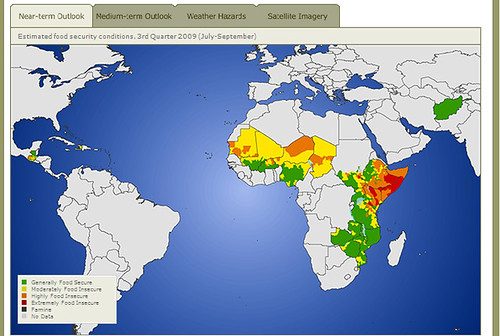
The Famine Early Warning Systems Network has published a food security update three times a year since 1985, forecasting hunger crises six to twelve months before they peak. Its December 2026 edition will not appear.

The State Department has not confirmed funding for the fiscal year that began October 1. The network's contractor has drawn up a closeout plan, and more than half its field staff will lose their jobs by the end of the year. The department says it does not intend to close FEWS NET and that its work is funded through April 2027, but it has not said whether the rest of the fiscal year is covered.

Why it matters

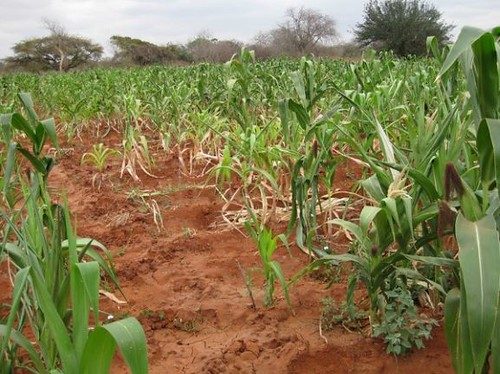
Without the monitor, aid agencies lose the six-to-twelve-month warnings that let them ship food before a famine is declared.

Questions about this story

Free account needed to ask — your question is kept and asked for you right after sign-up. Answers are public.

No questions yet — be the first to ask.

Key Indicators

200
People working on FEWS NET data collection and analysis
Most are field staff based in regional hubs and country offices.
20%
Share of staff given termination notices in October 2026
A larger round of notices is due to follow in December.
3
Food security updates published in a normal year
One of them, the December 2026 edition, will not appear.
30+
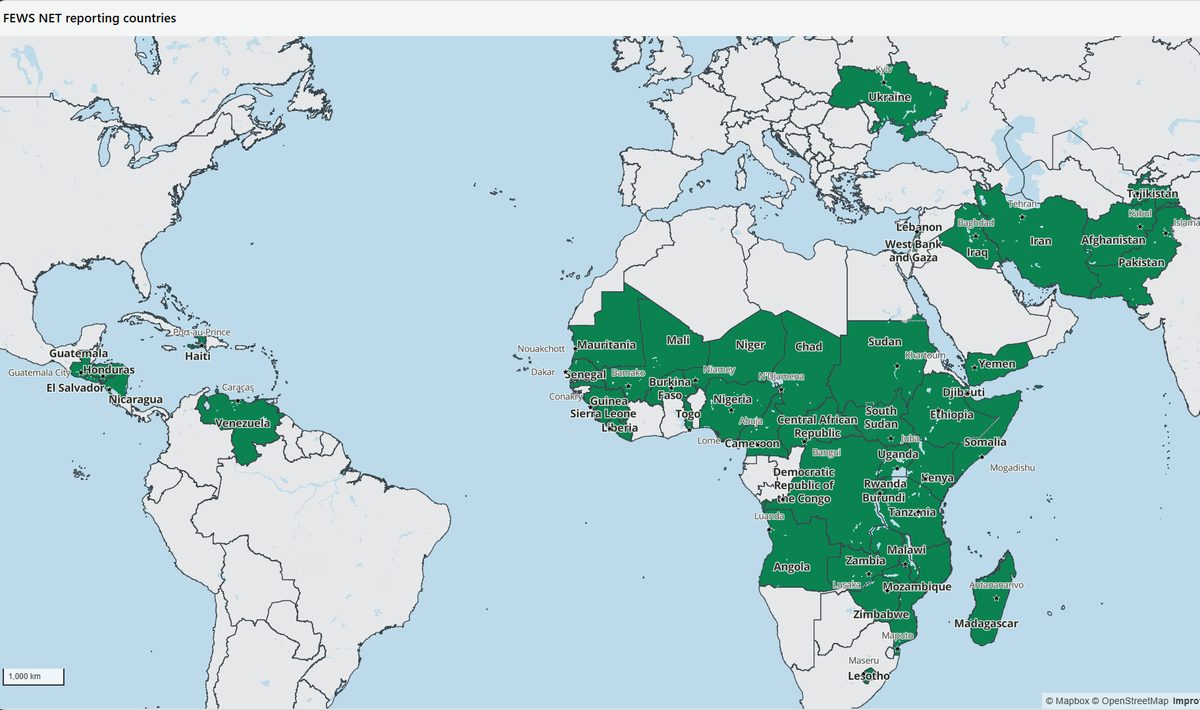
Countries where FEWS NET monitors food security
Includes Sudan, Yemen, South Sudan and Somalia, all near famine.
205
Nutrition clinics closed in Somalia for lack of funding
UNICEF figure reported in September 2026 as US aid to Somalia shrank.

Voices

Curated perspectives — historical figures and your fellow readers.

Sign up to generate historical perspectives on this story.

People Involved

Organizations Involved

Timeline

1985 November 2026

9 events Latest: 2 days ago
Tap a bar to jump to that date
  1. December food security update cancelled

    Latest Reporting

    Funding for the fiscal year is unconfirmed; dozens of 30-day notices are due December 1.

  2. Contractor files a closeout plan

    Funding

    Chemonics sends the State Department a plan to wind operations down.

  3. First wave of layoffs

    Staffing

    Termination notices go to 20% of the network's staff.

  4. State Department restores the three country reports

    Coverage

    Reporting on Somalia, Yemen and Afghanistan resumes after congressional criticism.

  5. Three crisis countries dropped from outlook brief

    Coverage

    Somalia, Yemen and Afghanistan disappear from a regular assistance outlook.

  6. Internal email freezes travel and hiring

    Funding

    Staff are told a cash shortfall has halted travel and recruitment.

  7. Reporting resumes

    Funding

    Operations restart in late June after the five-month suspension.

  8. USAID shutdown takes the network offline

    Funding

    FEWS NET stops publishing for five months during the aid freeze.

  9. FEWS NET created after Ethiopian famine

    Origin

    The US builds a network to forecast food crises months ahead.

Scenarios

1

State Department confirms full-year funding and reporting restarts

Possible Resolves by Apr 30, 2027

Discussed by: State Department statements to Reuters; FEWS NET's email to aid officials

The department has said the network is funded through April 2027 and that it does not intend to close it. A confirmation covering the full fiscal year would let Chemonics stop closeout work and rebuild field teams, with the first restored update landing in the first quarter of 2027. The trigger would be a written funding commitment before the December 1 notices take effect.

2

The cancelled December report becomes a year-long gap

Uncertain Resolves by Q3 2027

Discussed by: Former USAID officials and aid groups quoted by Reuters and NPR

The funding is eventually confirmed, but only to April 2027, and the hiring freeze and layoffs leave too few analysts to produce the three annual updates. Countries near famine keep getting reports from the UN-backed IPC instead, which publishes later and with less local detail. Aid groups say they would have to preposition food on older data.

3

Contractor completes closeout and the network winds down

Unlikely Resolves by Apr 30, 2027

Discussed by: Six people with direct knowledge, speaking to Reuters

Chemonics finishes the closeout plan it sent the State Department in November, the reimbursement dispute goes unresolved, and field offices shut. The December cancellation would then be the first of many rather than a gap. The State Department has said this is not its intent, which makes the scenario depend on a funding decision it has not explained.

Historical Context

3 moments from history that rhyme with this story — and how they unfolded.

1984-1985

Ethiopian famine (1984-1985)

A famine across Ethiopia and Eritrea drew global attention to the absence of any system that could warn of mass starvation before it peaked. Warnings existed but were scattered and arrived too late for governments to act on.

Then

The US created FEWS NET in 1985 to forecast food crises months in advance.

Now

The network became the reference point aid agencies used to decide where to ship food.

Why this matters now

The function FEWS NET was built to perform is the one now going unpublished.

2011

Somalia famine (2011)

Famine was declared in parts of southern Somalia in July 2011 after a severe drought. Early warnings of the drought existed, but the humanitarian response scaled up only after the crisis had peaked.

Then

Aid arrived late; the famine was declared over in February 2012.

Now

The episode became the standard case for why a six-month warning window has to be acted on, not just published.

Why this matters now

It is the example aid officials cite when arguing that early warning only works if someone is still producing it.

2017

Horn of Africa drought response (2017)

A drought across Somalia and neighbouring countries raised famine fears. Humanitarian agencies acted on early warnings and moved food and cash before malnutrition rates spiked.

Then

Famine was not declared.

Now

The response is widely cited as a case where early warning and fast funding prevented a famine.

Why this matters now

It shows what the current gap removes: the months of lead time that made the 2017 response possible.

Sources

(3)