
Pull to refresh
Logo
FTC overhauls rules of practice, drops ethics clearance requirement

FTC overhauls rules of practice, drops ethics clearance requirement

Rule Changes

Streamlined rulemaking lets agency write binding trade rules faster

Yesterday: FTC adopts sweeping rules of practice revision

Overview

Updated Yesterday

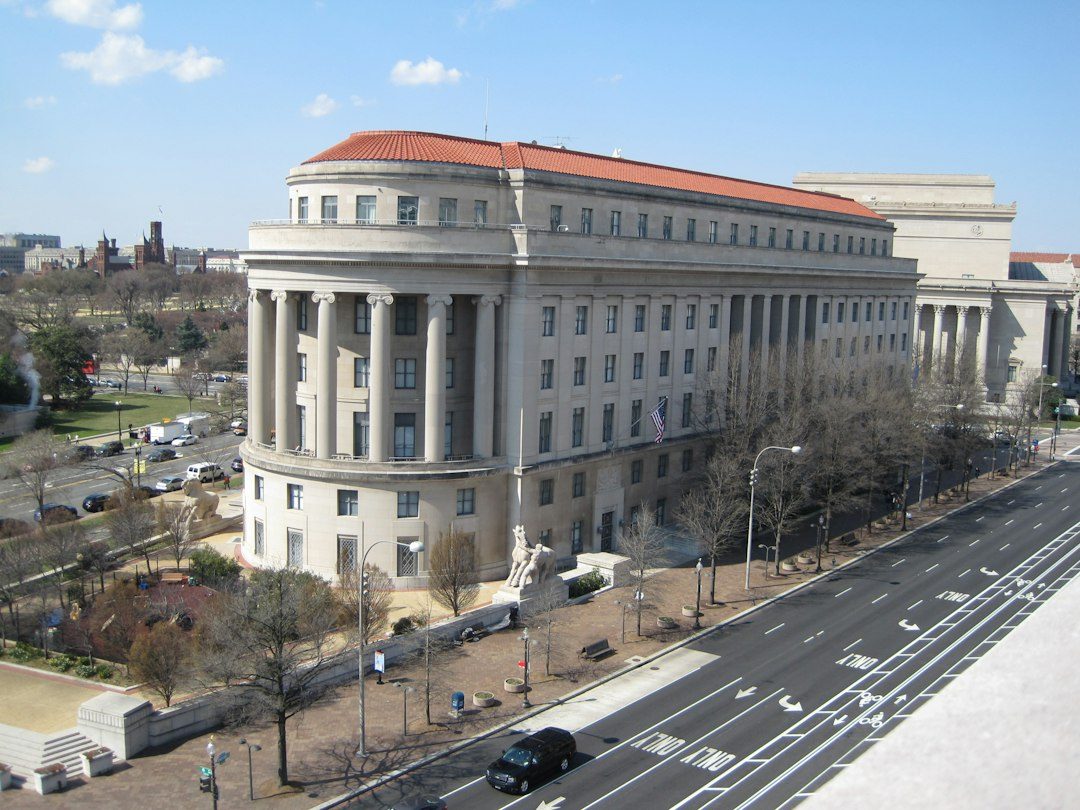
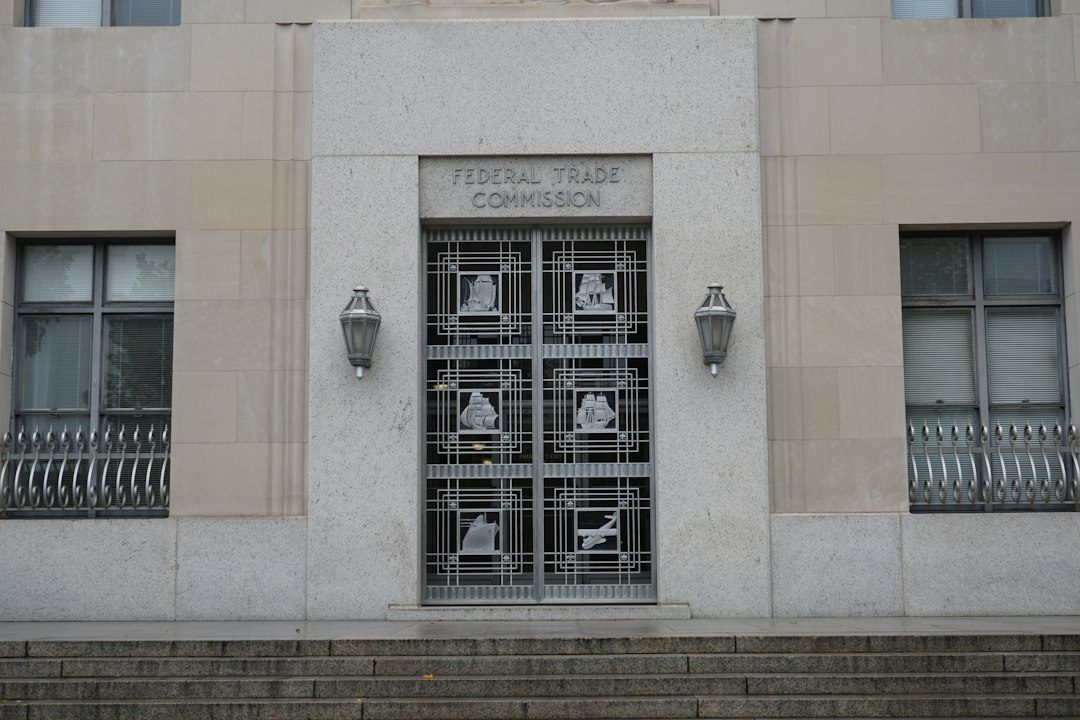
The Federal Trade Commission voted 2-0 on September 24 to rewrite its internal rulebook, effective immediately. The changes speed up trade regulation rulemaking and drop the FTC's requirement that former employees get agency clearance before working on cases they once handled.

The revision touches six parts of the Code of Federal Regulations and creates the American Competition Enforcement Division, a nationwide antitrust unit. The FTC says the ethics clearance rule was duplicative of federal law and discouraged economists and technologists from joining the agency.

Why it matters

Businesses could face new binding trade rules sooner, while former FTC staff lose an agency approval step before taking industry jobs.

Questions about this story

Free account needed to ask — your question is kept and asked for you right after sign-up. Answers are public.

No questions yet — be the first to ask.

Key Indicators

2-0
Commission vote to approve
FTC vote on the revised rules of practice was 2-0, with no dissent.
6
CFR parts amended
Revisions span parts 0-4 and part 5 of title 16, covering investigations, hearings, and ethics rules.

Voices

Curated perspectives — historical figures and your fellow readers.

Ever wondered what historical figures would say about today's headlines?

Sign up to generate historical perspectives on this story.

People Involved

Organizations Involved

Timeline

May 2015 September 2026

4 events Latest: Yesterday
Tap a bar to jump to that date
  1. FTC adopts sweeping rules of practice revision

    Latest Regulatory

    FTC votes 2-0 to adopt revised rules; eliminates post-employment ethics clearance, creates American Competition Enforcement Division, streamlines trade rulemaking.

  2. FTC creates Office of Technology in rules update

    Regulatory

    FTC revises rules to reflect its new Office of Technology and changes administrative law judge procedures.

  3. FTC implements FOIA Improvement Act

    Regulatory

    FTC revises rules governing access to agency records to implement the FOIA Improvement Act of 2016.

  4. FTC updates rules for electronic filing

    Regulatory

    FTC revises rules of practice to accommodate its electronic filing system and eliminate outdated requirements.

Scenarios

1

FTC issues first trade regulation rule under streamlined process

Likely Resolves by End of 2027

Discussed by: FTC commissioners' statements signaling intent; consumer advocates tracking the agency's rulemaking agenda

The new rules remove mandatory hearing requirements and let the commission control fact-finding in Section 18 rulemakings. The FTC has flagged surveillance pricing and junk fees as rulemaking targets. A new notice of proposed rulemaking would trigger formal proceedings and begin the penalty authority clock, letting the FTC seek civil penalties against first-time violators under Section 19 of the FTC Act.

2

Congress moves to restore FTC ethics clearance requirement

Possible Resolves by Sep 24, 2027

Discussed by: Government accountability watchdogs; congressional oversight committees that have scrutinized FTC revolving door practices

The ethics clearance rule required former FTC employees to get agency sign-off before representing parties before the commission. Its removal returns the FTC to government-wide standards under 18 U.S.C. 207. If a scandal or enforcement gap emerges, oversight hearings or legislation could restore the requirement. The FTC itself argued the rule was duplicative and created a safe harbor shielding violators.

3

Court strikes down streamlined FTC rulemaking process

Possible Resolves by Sep 24, 2028

Discussed by: Business litigation groups and trade associations that have challenged FTC authority during Khan's tenure

The streamlined process removes procedural protections business groups have relied on, including formal hearings before an administrative law judge. The commission now decides the list of disputed material facts and who presents oral arguments. A challenge to a new trade rule would test whether the process meets due process standards under the Administrative Procedure Act. An adverse ruling would force the FTC to restore procedural safeguards.

Historical Context

3 moments from history that rhyme with this story — and how they unfolded.

1975

Magnuson-Moss Act (1975)

Congress gave the FTC explicit power to write trade regulation rules defining unfair or deceptive acts under Section 18 of the FTC Act.

Then

A wave of 1970s FTC rulemaking drew business backlash and led to procedural restrictions on the agency.

Now

The FTC issued few trade rules for decades; the 2026 changes reverse some procedural restrictions.

Why this matters now

The streamlined process is meant to revive long-dormant rulemaking authority that business pushback has constrained since the late 1970s.

1989

Ethics Reform Act of 1989

Congress passed post-employment restrictions under 18 U.S.C. 207 after influence-peddling scandals, barring former federal employees from lobbyist roles on matters they handled in government.

Then

Imposed government-wide cooling-off periods on departing federal employees.

Now

The FTC added its own clearance rule on top; the 2026 revision removes it, returning the agency to the baseline statute.

Why this matters now

The FTC argued its clearance rule duplicated 18 U.S.C. 207 and could create an unintended safe harbor protecting violators from prosecution.

July 2021

FTC's 2021 rules revision (July 2021)

The commission streamlined Section 18 trade rulemaking, naming the chair as Chief Presiding Officer instead of the chief administrative law judge. Slaughter, Khan, and Chopra issued a joint statement calling the old process 'extraneous and onerous.'

Then

Set the template for the 2026 changes and signaled the FTC's intent to revive trade regulation rulemaking.

Now

Confirmed the direction under Khan toward more aggressive use of Section 18 authority, which the 2026 revision extends.

Why this matters now

The September 2026 revision is the second phase of the same reform push, removing further procedural hurdles from the trade rulemaking path.

Sources

(8)