

Pull to refresh
Logo
FTC settlement restricts Southern Glazer's pricing to small liquor retailers

FTC settlement restricts Southern Glazer's pricing to small liquor retailers

Rule Changes

Largest U.S. wine and spirits distributor faces six years of monitoring and escalating penalties

3 days ago: FTC and Southern Glazer's reach consent decree

Overview

Updated 50 minutes ago

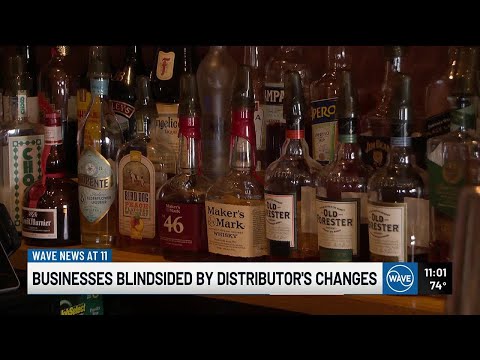
A mom-and-pop liquor store that competes with a Walmart across the street now has a new legal claim against the distributor that supplies both. Under a settlement the Federal Trade Commission announced October 2, Southern Glazer's — the largest U.S. wine and spirits distributor — must pay independent retailers 1.5 times any price gap it charged them versus nearby chains.

The deal resolves the first Robinson-Patman Act lawsuit the FTC has brought in 26 years, a December 2024 case alleging Southern favored large chains like Total Wine, Walmart, and Kroger with discounts unavailable to independent stores. The six-year consent decree covers 26 states and sets up an independent monitor to catch violations before they reach a courtroom.

Why it matters

Small independent liquor stores can now collect 1.5 times any price gap Southern Glazer's charged them versus large neighboring chains.

Questions about this story

Free account needed to ask — your question is kept and asked for you right after sign-up. Answers are public.

No questions yet — be the first to ask.

Key Indicators

26
States covered by settlement
Settlement covers Southern Glazer's sales to the five largest chain retailers and competing independents in 26 states.
$15.7M
Estimated annual overcharges
FTC Chairman Ferguson's revised estimate of annual harm to independent retailers across all covered states after discovery.
1.5x
Penalty multiplier for remedy
Southern pays 1.5 times the price differential to cure violations; 2x if the FTC wins a court enforcement action.
$5,000
Recurring discrimination threshold
Aggregate price differential above this amount over 12 months counts as recurring discrimination under the order.
6 years
Order duration
Consent decree remains in effect under independent monitor oversight with semi-annual reporting.

Voices

Curated perspectives — historical figures and your fellow readers.

Ever wondered what historical figures would say about today's headlines?

Sign up to generate historical perspectives on this story.

People Involved

Organizations Involved

Timeline

December 2024 October 2026

2 events Latest: 3 days ago

Scenarios

1

Southern complies, monitoring turns up no violations

Likely Resolves by Nov 30, 2027

Discussed by: FTC Chairman Andrew Ferguson predicted the order's design encourages compliance, noting 'if Southern obeys the law, its compliance costs are low.'

Southern adjusts its pricing structure across the 26 covered states to align independent and chain pricing. The monitor's semi-annual reports document no paired transactions meeting the order's price-difference thresholds. No remedy payments are made over the six-year term.

2

Monitor flags violations, Southern pays 1.5x remedies

Possible Resolves by Nov 30, 2027

Discussed by: FTC press release explicitly described this mechanism, with Southern resolving violations by paying 1.5 times the aggregated price differential.

The monitor identifies paired transactions where independent retailers paid significantly more than a competing chain for identical products. Southern writes checks to each injured retailer for 1.5 times the aggregated price difference. The violations are cured without FTC court action, and penalties escalate only if Southern refuses.

3

FTC returns to court for double-damages enforcement

Unlikely Resolves by Oct 2, 2028

Discussed by: FTC Chairman Ferguson's statement noted the Commission can seek a federal court order if Southern does not cure violations, triggering double payments.

Southern disputes a monitor's finding or declines to pay the 1.5x remedy within the order's cure window. The FTC brings an enforcement action in federal court. If the Commission prevails, Southern must pay twice the aggregated price differentials, with the threat of contempt sanctions.

Historical Context

2 moments from history that rhyme with this story — and how they unfolded.

June 1936

Robinson-Patman Act (1936)

Congress passed the Robinson-Patman Act to curb the buying power of large chain stores. The law made it illegal for sellers to charge competing buyers different prices for goods of the same grade and quality when the difference harms competition.

Then

The FTC gained a dedicated tool to police price discrimination between large and small retailers.

Now

Enforcement dramatically declined after the 1970s as antitrust policy shifted toward a consumer-welfare standard, leaving the law largely dormant for decades.

Why this matters now

The December 2024 lawsuit was the first Robinson-Patman enforcement action the FTC had brought in 26 years, reviving a law many antitrust lawyers considered effectively obsolete.

May 1948

FTC v. Morton Salt Co. (1948)

The Supreme Court upheld an FTC order against Morton Salt's quantity discount system. The Court ruled that even without direct proof of competitive injury, a 'reasonable possibility' that price discrimination substantially lessened competition was enough to violate the Robinson-Patman Act.

Then

The decision gave the FTC broad authority to strike down discount structures favoring large buyers.

Now

It remained the cornerstone precedent for Robinson-Patman enforcement through the 1960s, before enforcement faded. The new settlement operates under a far narrower standard, targeting only paired transactions with significant price gaps.

Why this matters now

Morton Salt established the legal framework today's FTC built on, though the consent decree replaces litigation with a monitor and automatic penalty structure.

Sources

(7)