Anchor

Starman takes a 90% stake as the camera maker pivots from action cams to AI data-center optics
Yesterday: GoPro and Starman announce mergerNew here? Follow stories to track developments over time. Create a free account to get updates when stories you care about change.
Overview
Updated 3 hours agoGoPro agreed on September 1 to merge with Starman Optical, a private U.S. maker of optical transceivers for AI data centers. The deal pays shareholders $1.14 per share—about $285 million total—and leaves them with 10% of the combined company.
Starman's owners take control. GoPro stays on Nasdaq, its $92 million debt repaid at closing. The company's 2,500+ patents get pointed at defense, aerospace, and AI infrastructure.
Why it matters
GoPro's 2,500+ optics patents shift from consumer cameras to AI data centers and defense—the markets the U.S. wants onshore.
Questions about this story
Free account needed to ask — your question is kept and asked for you right after sign-up. Answers are public.
No questions yet — be the first to ask.
Key Indicators
$285M
Cash consideration to GoPro shareholders
Paid out as $1.14 per share at closing, subject to a working-capital adjustment.
$1.14
Cash offered per GoPro share
A premium of about 29.5% over GoPro's last closing price before the announcement.
10%
Stake retained by existing GoPro shareholders
Starman's owners receive 90% of the combined company through the merger.
$92M
GoPro debt repaid at closing
Leaves the combined company with a substantially debt-free balance sheet.
+50%
GoPro share rally on announcement day
Shares traded at $1.33, above the $1.14 offer price.
2,500+
U.S. patents in GoPro's portfolio
The optics and imaging patents are a central asset in the merger.
Related Media
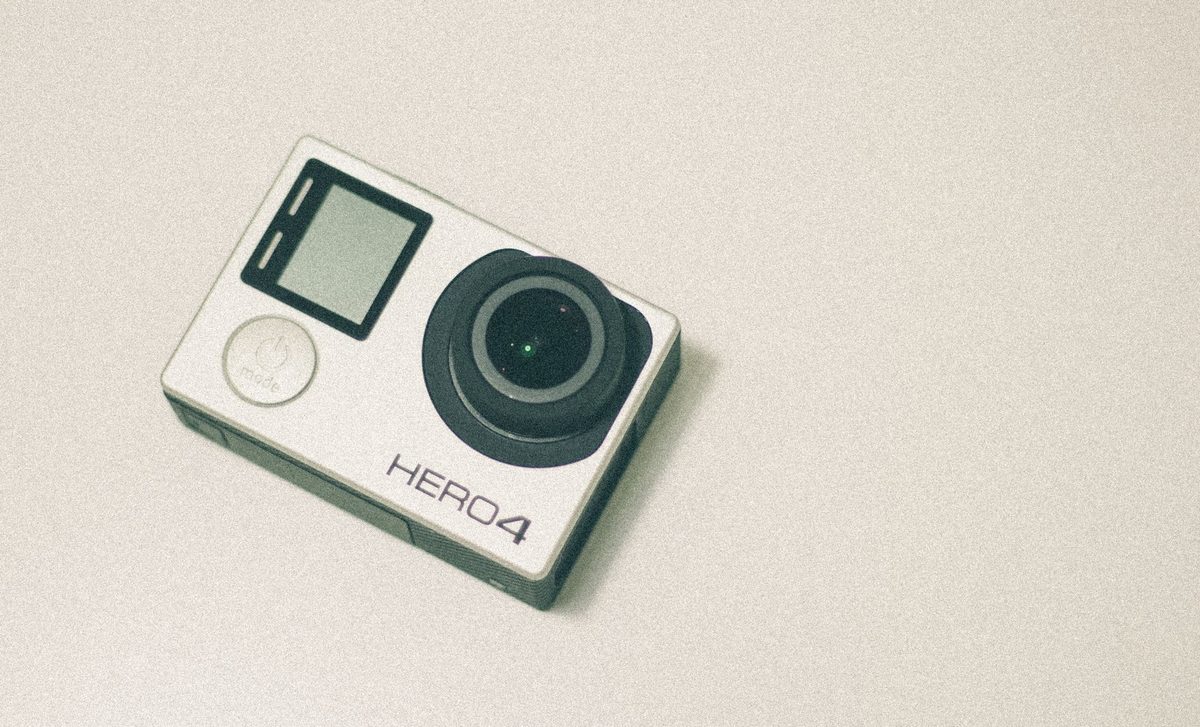
Top view of a GoPro Hero 4 action camera with a white background, emphasizing its design.
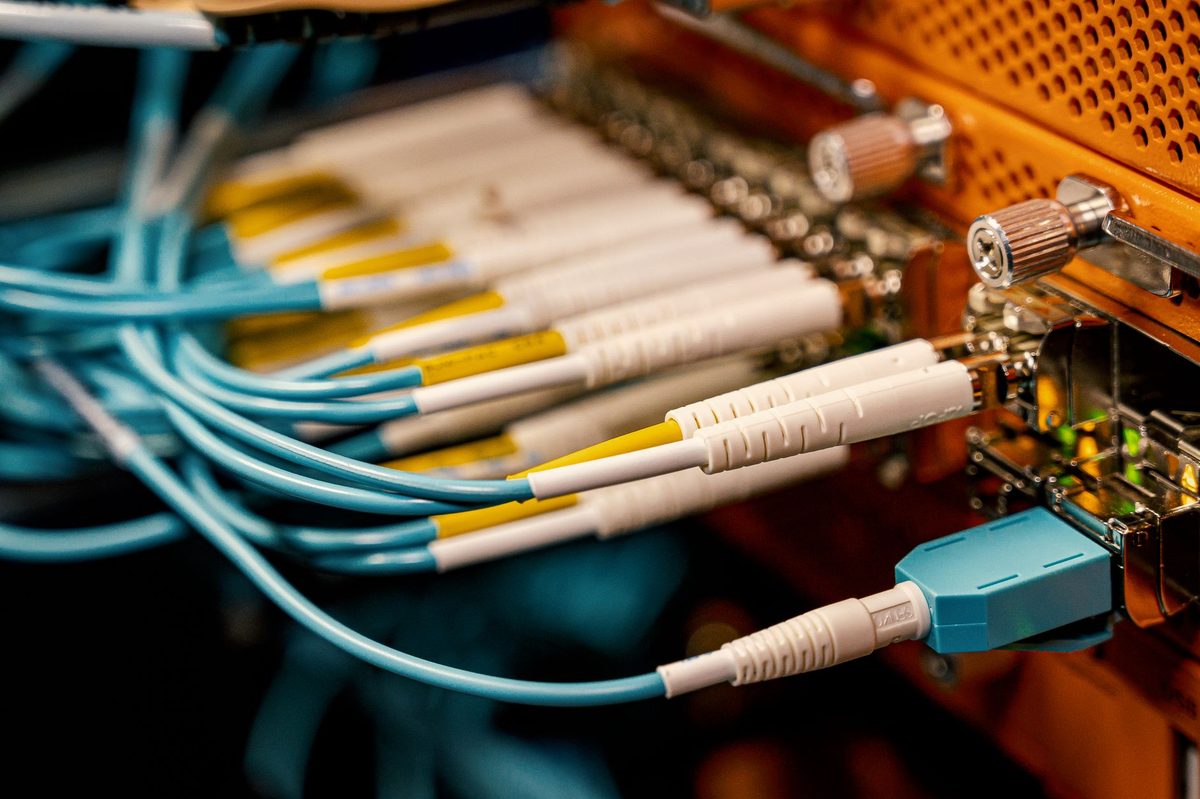
From above of optical switch equipment with many similar connectors with rubber cables and metal parts

134 views
8:21
GOPRO AND STARMAN MERGE! STOCK JUMPS 100%!
Stock Talk with Niko Kritikos

69 views
2:37
Why Did Starman Optical Agree to the GoPro Merger?
HP Bagus
25 views
8:18
GoPro Stock EXPLODES: Markiplier 8.5% Stake & $285M ...
Global News Daily
Images from Openverse under Creative Commons licenses. Videos from YouTube.
Voices
Curated perspectives — historical figures and your fellow readers.
Play
Exploring all sides of a story is often best achieved with Play.
Most of these play right now — no account needed. Sign up to save scores, keep a streak, and unlock Debate and Predict.
Log in
Sign Up
Higher or Lower
A number from this story, against one from elsewhere in the news — guess which is bigger, then keep the chain going. 5 rounds, 3 strikes; a miss costs a strike and resets your streak.
Example
Anchor
EU tariff revenue
$52B
Big for this kind of number
Mystery
Pentagon AI contract
?
Round 1
Streak: 0
Mystery
?
Keyboard: ↓/L lower · ↑/H higher
0 pts
Best streak: 0 · Rounds: 0
0 points — sign up to put that on the leaderboard.
Now try on this story
Connections
Sixteen names from the news. Find the four hidden groups of four. Four mistakes max.
Loading today's puzzle…
0/4 groups
Mistakes
Sign up to keep a daily streak — a new puzzle lands every day.
Now try on this story
Exit debate?
Your progress in this debate will be lost.
How it works
- 1 Two AI personas square off on this story.
- 2 You predict who'll win each round — correct picks earn XP.
- 3 One crossfire question is yours to fire. Pick it carefully.
Couldn't generate a topic
Select Your Champions
Choose one persona for each side of the debate
DEBATE TOPIC
Choose personas with different perspectives for a more dynamic debate.
SIDE A (PRO)
Select debater for this side:
No debate personas available right now.
SIDE B (CON)
Select debater for this side:
No debate personas available right now.
VS
Get ready to make your prediction...
Round of
Claim
Evidence
Stakes
Crossfire Answer
Closing Statement
Claim
Evidence
Stakes
Crossfire Answer
Closing Statement
Your Crossfire Question
Generating arguments...
Who's Got This Round?
Make your prediction before the referee scores
The referee scores both sides on
Correct predictions earn +20 XP
· Press 1 or 2 to pick
Evidence
40%
Logic
30%
Detail
20%
Style
10%
Round Results
Your Pick
Not this time
(%)
Overall Score
/10
Your Pick
Not this time
(%)
Overall Score
/10
Set the Crossfire
Pick the question both personas must answer in the final round
Crafting crossfire questions...
Choosing a question earns +10 XP crossfire bonus
🏆
Total XP Earned
Cred Change
Predictions
Debate Oracle! You called every round!
Sharp Instincts! You know your debaters!
The Coin Flip Strategist! Perfectly balanced!
The Contrarian! Bold predictions!
Inverse Genius! Try betting the opposite next time!
XP Breakdown
Base completion
+20 XP
Rounds played ( rounds x 5 XP)
+ XP
Correct predictions ( correct x 20 XP)
+ XP
Crossfire bonus
+10 XP
Accuracy
%
Prediction History
Round
You picked:
✓
✗
Now try on this story
Keep debating to level up your credibility and unlock achievements
People Involved
Organizations Involved
GoPro, Inc.
Public consumer-electronics company (NASDAQ: GPRO)
Merger target; surviving public company under Starman's control
Action-camera maker whose Nasdaq listing, brand, and 2,500+ U.S. patents are the assets Starman is buying into.
SO
Starman Optical, Inc.
Privately held optical-photonics company
Acquiring 90% of GoPro through the merger
U.S. maker of optical transceivers for AI data centers; the merger gives it a public listing and GoPro's patent portfolio.
AA
Action Acquisitions LLC
Acquisition vehicle
Parent company that will own GoPro after closing
Delaware entity formed to hold GoPro after the merger; Starman Optical is its subsidiary.
Midtown Equities LLC
Investment firm
Committed equity funding for the merger
Investor that committed funding to Action Acquisitions to pay GoPro shareholders and retire GoPro's debt.
Timeline
3 events
Latest: Yesterday
-
GoPro and Starman announce merger
Latest MergerDefinitive agreement pays GoPro shareholders $1.14 per share; Starman's owners take 90% of the company.
-
GoPro shares jump above the offer price
Market reactionStock rises more than 50% to $1.33, above the $1.14 per share offer.
-
GoPro files 8-K with merger terms
Regulatory filingTerms include a $10 million termination fee, a working-capital adjustment, and a December 31 outside closing date.
Historical Context
3 moments from history that rhyme with this story — and how they unfolded.
2001-2008
Polaroid's bankruptcies (2001, 2008)
Polaroid, inventor of instant photography, filed for bankruptcy in 2001 as digital cameras eroded film sales. It emerged, then filed again in 2008 after a private-equity buyout loaded it with debt.
Then
Polaroid's assets were sold piecemeal; the brand lived on through licensing deals.
Now
The Polaroid name outlived the original company, showing that consumer camera brands hold value beyond their products.
Why this matters now
In the Starman deal, GoPro's brand and patents are the assets that matter, not its camera hardware—the same dynamic that kept Polaroid's name circulating.
January 2012
Kodak's bankruptcy (2012)
Eastman Kodak, the company that made photography a mass consumer activity, filed for Chapter 11 bankruptcy in January 2012. Digital cameras had destroyed its film business, and a last-ditch patent sale failed to raise enough to avoid court protection.
Then
Kodak emerged from bankruptcy in 2013 as a commercial printing company, selling its digital camera patents along the way.
Now
The Kodak name survives, but the company left the consumer camera market that made it famous.
Why this matters now
GoPro is following a similar arc: an iconic imaging brand whose core market shrank, rescued by repurposing its technology for new customers.
2012-2014
Motorola Mobility's patent sale (2012-2014)
Google bought Motorola Mobility in 2012, largely for its patents, then sold the handset business to Lenovo two years later while keeping most of the intellectual property.
Then
Motorola's phone business continued under Lenovo; Google kept the patents.
Now
The deal became a template for valuing troubled hardware companies by their patent portfolios rather than their products.
Why this matters now
Starman is paying for GoPro's 2,500+ U.S. patents and its public listing, applying the same patent-over-products logic.
Sources
(10)Related Stories
Getty Images and Shutterstock merge to fight AI threat
Money Moves
Updated May 19
Arcline buys AstroNova in all-cash take-private deal
Money Moves
Updated Jun 18
SpaceX buys AI coding startup Cursor in $60 billion stock deal
Money Moves
Updated 2 days ago
Anthropic buys Stainless, the SDK toolmaker shared by OpenAI and Google
Money Moves
Updated May 19
Boeing folds its air-taxi and drone units into Archer Aviation for equity
Money Moves
Updated Aug 10
KKR agrees to take medtech supplier Integer Holdings private
Money Moves
Updated Aug 8