
Pull to refresh
Logo
Kent County Sheriff's Office proposes jail millage renewal and increase for November ballot

Kent County Sheriff's Office proposes jail millage renewal and increase for November ballot

Money Moves Grand Rapids, MI local

0.98-mill request would fund medical and mental health upgrades at 1972 jail

September 1st, 2026: Sheriff proposes millage

Overview

Updated Sep 3

Kent County voters will decide in November whether to renew and increase the 36-year-old property tax that funds the county jail. The sheriff's office is asking for a 20-year extension at 0.98 mills, up from the current 0.7332 mills. For a home with $100,000 in taxable value, that adds about $24.68 per year, for a total of roughly $98.

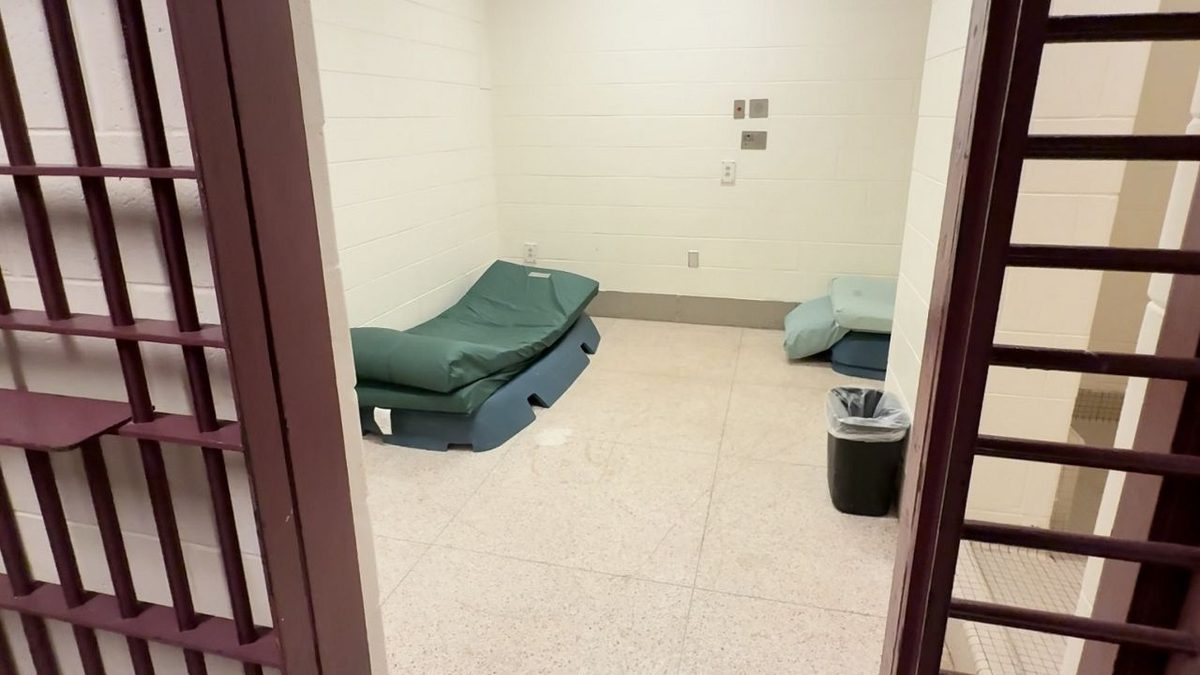
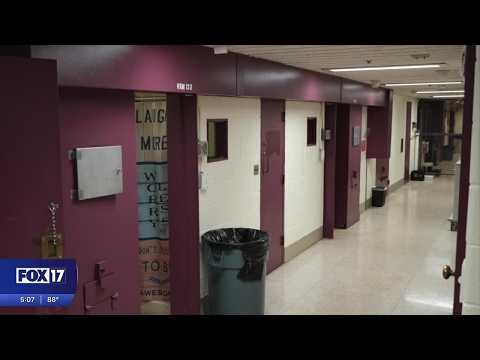
The money would pay for medical and mental health upgrades in the 1972 jail, plus a feasibility study. Sheriff Michelle LaJoye-Young says the current medical unit is too small, forcing frequent transports to outside hospitals. The proposal would not add jail beds or create beds for federal immigration detainees.

Why it matters

Voters decide whether to pay $25 more per $100,000 taxable value for jail medical upgrades, or face a $28.7 million county budget gap after 2029.

Questions about this story

Free account needed to ask — your question is kept and asked for you right after sign-up. Answers are public.

No questions yet — be the first to ask.

Key Indicators

0.98 mills
Proposed millage rate
Current rate is 0.7332 mills after Headlee rollbacks from the original 0.84 mills.
$24.68
Added annual tax cost per $100,000 taxable value
Homeowner with $100,000 in taxable value would pay about $98 a year under the new rate.
$37.33 million
Estimated first-year levy
Before local tax-increment capture, per county estimate.
$28.7 million
Annual funding gap after 2029 if no replacement
County analysis says operating and debt-service support would need to be replaced, absorbed, offset or reduced.
43.7%
Share of 2026 corrections budget funded by current millage
General fund and other sources pay the remaining 56.3%.
17,790
Arrests brought to KCCF in 2025
More than 30 law enforcement agencies use the centralized booking system.

Voices

Curated perspectives — historical figures and your fellow readers.

Ever wondered what historical figures would say about today's headlines?

Sign up to generate historical perspectives on this story.

People Involved

Organizations Involved

Timeline

January 1972 November 2026

6 events Latest: September 1st, 2026 · 1 week ago
Tap a bar to jump to that date
  1. Election Day

    Upcoming Election

    Voters decide whether to approve the millage renewal and increase.

  2. Sheriff proposes millage

    Latest Announcement

    Sheriff proposes 0.98-mill renewal and increase for Nov. 3 ballot.

  3. Arrests logged

    Data

    KCCF logs 17,790 arrests brought to the facility.

  4. Millage renewal approved

    Election

    Voters renew millage for 20 years, extending dedicated funding through 2029 levy.

  5. Original millage approved

    Election

    Voters approve 0.84-mill corrections millage for 20 years.

  6. Jail built

    Infrastructure

    Original section of Kent County Correctional Facility built.

Scenarios

1

Kent County Voters Approve Corrections Millage

Uncertain Resolves by Nov 17, 2026

Discussed by: No published polling; sheriff's office and county staff are campaigning for approval

If the measure passes, the rate rises to 0.98 mills starting with the 2029 levy and stays in place for 20 years, through 2046. The county would commission a feasibility study for the jail medical and mental health renovation, with final scope and cost returning to the Board of Commissioners. The sheriff's office says the work would keep more medical care in-house and reduce inmate transports to outside hospitals.

2

Voters Reject Millage, County Faces Funding Gap

Uncertain Resolves by Nov 17, 2026

Discussed by: Sheriff's office warning and county budget analysis

If the measure fails, the current millage continues through the 2029 levy, so there is no immediate change. Starting in 2030, the county would need to replace about $28.7 million a year in operating and debt-service support. The sheriff says that could pull money from other general fund services, including law enforcement, parks and health programs. Any alternative would require a later public action.

Historical Context

3 moments from history that rhyme with this story — and how they unfolded.

November 1990

Kent County Corrections Millage Creation (1990)

Kent County voters approved a 0.84-mill, 20-year property tax to build and run a centralized county jail. Before that, cities like Grand Rapids operated their own pre-arraignment lockups and the county took custody only after arraignment.

Then

The millage funded the jail's round housing units and 24/7 central booking for Grand Rapids police; local lockups closed.

Now

It created a shared system now used by more than 30 law enforcement agencies, with the millage covering about 43% of corrections costs.

Why this matters now

The 2026 proposal is a renewal and increase of this same funding stream, not a new county function.

August 2008

Kent County Corrections Millage Renewal (2008)

Voters renewed the corrections millage for 20 years, extending it through the 2029 levy. At the time, it generated about $16 million a year and funded about 43% of the annual corrections operating budget.

Then

The renewal funded added bed space and video court infrastructure.

Now

It kept the centralized booking system running while the county general fund paid the remaining costs.

Why this matters now

The 2026 request follows the same renewal pattern but adds an increase to pay for medical and mental health facility upgrades.

March 2020

COVID-19 in Michigan Jails (2020)

Jails across Michigan reduced populations and suspended visitation to slow COVID-19 outbreaks. At Kent County, undersheriff Bryan Muir said the jail's 1970s HVAC system proved inadequate for controlling disease spread.

Then

Facilities adopted temporary quarantine and release measures.

Now

The pandemic exposed how aging jail infrastructure limits disease control, a problem the 2026 millage proposal explicitly addresses.

Why this matters now

The sheriff's office cites the HVAC failure as a reason to modernize the jail's medical spaces.

Sources

(5)