



Pull to refresh
Logo
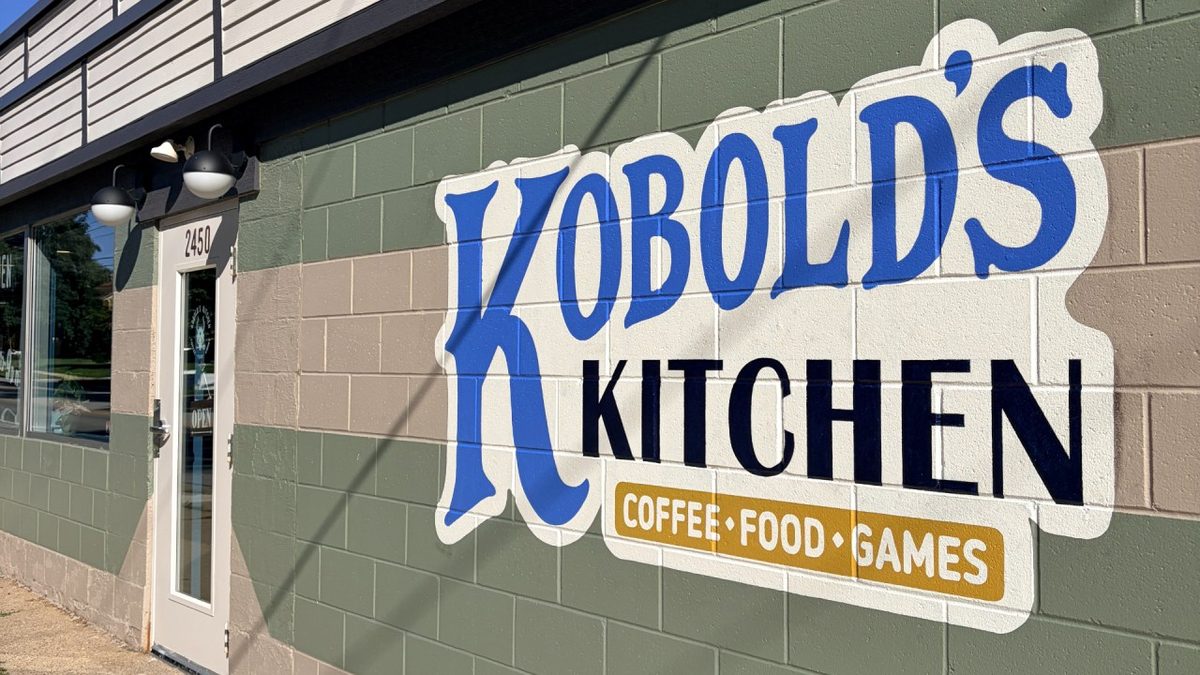
Board game café Kobold's Kitchen holds grand opening in Grand Rapids' Creston

Board game café Kobold's Kitchen holds grand opening in Grand Rapids' Creston

New Capabilities Grand Rapids, MI local

Updated menu pairs with a pay-to-play game library in the neighborhood's new hangout

Today: Kobold's Kitchen holds grand opening in Creston

Overview

Updated 1 hour ago

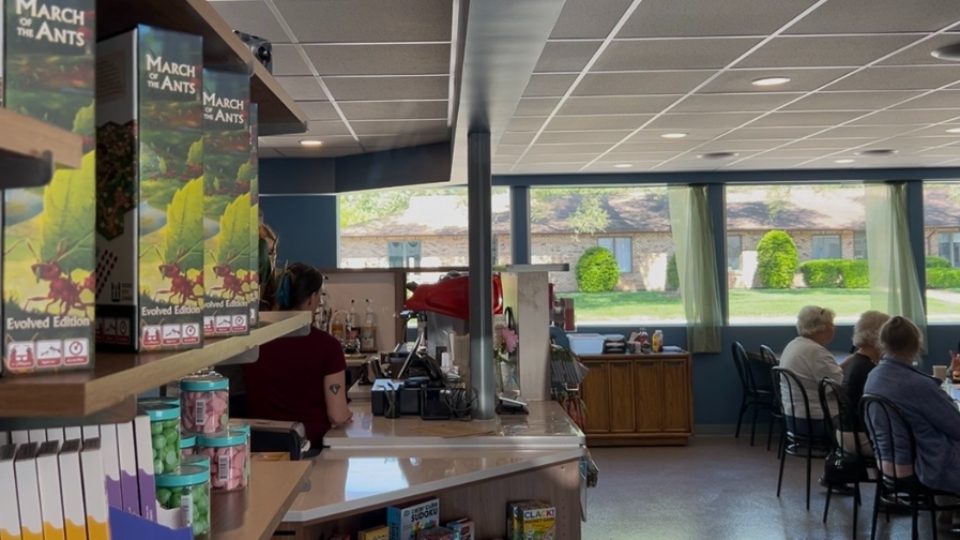
Kobold's Kitchen, a board game café in Grand Rapids' Creston neighborhood, is holding its grand opening with a refreshed menu. Customers pay a cover to sit, eat, drink, and play from the café's game library, a model that turns a coffee shop into a destination rather than a pass-through.

The name nods to the lizard-like creatures of Dungeons & Dragons lore, signaling the venue's tabletop focus. The launch follows soft-open runs and a menu rewrite, and whether the café keeps its tables full past the opening buzz will test how much demand Creston has for a pay-to-play hangout. Confirmed details beyond the WOODTV report, including owner names and menu items, are limited.

Why it matters

If Creston can't keep a pay-to-play board game café busy, the limits of the hobby-café model in mid-size cities become clear.

Questions about this story

Free account needed to ask — your question is kept and asked for you right after sign-up. Answers are public.

No questions yet — be the first to ask.

Key Indicators

Grand opening announced
Launch status
Café moved from soft opens to a formal grand opening with an updated menu.
Pay-to-play café model
Business model
Revenue mixes a cover fee for game access with food and drink sales, rather than game retail alone.

Voices

Curated perspectives — historical figures and your fellow readers.

Ever wondered what historical figures would say about today's headlines?

Sign up to generate historical perspectives on this story.

People Involved

Organizations Involved

Timeline

1 event Latest: Today
  1. Kobold's Kitchen holds grand opening in Creston

    Today Announcement

    The board game café celebrates its formal launch with an updated menu, moving past soft-open runs.

Scenarios

1

Kobold's Kitchen builds a steady regular crowd

Likely Resolves by Mar 1, 2027

Discussed by: Local business-watchers and hospitality analysts track repeat-customer patterns in pay-to-play venues

The café converts opening-week curiosity into recurring game nights, leagues, and event bookings that keep tables occupied on weeknights and weekends. Sustained foot traffic in Creston validates the format in a mid-size market and encourages steady hours and menu expansion.

2

Post-launch buzz fades, café scales back

Possible Resolves by Jun 1, 2027

Discussed by: Small-business failure-rate analysts note most restaurant failures occur within the first year

Opening crowds don't translate into steady repeat traffic. The café trims hours, simplifies the menu, or the owners wind the venue down within months as rent and staffing costs outpace cover fees and food sales.

3

First-year success fuels expansion

Uncertain Resolves by Sep 25, 2027

Discussed by: Venue operators who have replicated the Toronto café model across multiple cities

Strong demand pushes the owners to add event programming, extend hours, enlarge the game library, or open a second location. Growth would signal the hobby-café model has lasting power beyond big-city markets.

Historical Context

2 moments from history that rhyme with this story — and how they unfolded.

August 2010

Snakes & Lattes launches in Toronto (2010)

Ben Castanie and Aurélia Durand opened Snakes & Lattes in Toronto's Annex district, charging a cover fee for access to a large board game library while selling coffee and snacks. The café answered a question few had tested: would strangers pay just to sit and play games?

Then

The first venue proved the model viable, drawing steady crowds and spawning a second Toronto location within a few years.

Now

Snakes & Lattes became the template for hundreds of board game cafés across North America, cities where a cover-charge-plus-food format gained acceptance.

Why this matters now

Kobold's Kitchen is a direct descendant of that model. Whether it succeeds in Grand Rapids tests how far the format travels beyond the big-city markets where it was proven.

2000s–2010s

'Eatertainment' boom in American cities (2000s–2010s)

Venues combining dining with an activity, from Dave & Buster's arcades to axe-throwing lounges and paint-and-sip studios, spread across the U.S. Customers traded passive restaurant meals for places where the food is secondary to the experience.

Then

The category grew quickly in downtowns and entertainment districts, capturing a share of leisure spending that traditional bars and restaurants had held.

Now

It created consumer expectations that a night out can include an activity, normalizing the pay-to-play cover model that board game cafés use.

Why this matters now

Kobold's Kitchen is betting that the eatertainment shift reached a mid-size market like Grand Rapids. Its success depends on whether that demand is real in Creston or concentrated only in larger cities.

Sources

(1)

More from Grand Rapids, MI

Openings, permits and council decisions in Grand Rapids, MI, in your inbox every Monday.