


Pull to refresh
Logo
Kefita Coffee wins beer and wine license for Houston shop

Kefita Coffee wins beer and wine license for Houston shop

New Capabilities Houston, TX local

Houston's Ethiopian-focused coffee house gains permission to serve alcohol from its converted home on La Branch Street.

August 17th, 2026: TABC issues beer and wine license to Kefita Coffee

Overview

Updated 56 minutes ago

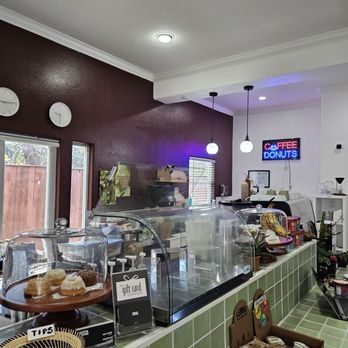
Kefita Coffee, the Ethiopian-focused coffee house running out of a converted home on La Branch Street, received a beer and wine license from the Texas Alcoholic Beverage Commission (TABC) on August 17. The permit allows the shop to sell beer and wine for consumption on site, a first for the business.

A license is one approval, not final sign-off. It does not mean Kefita has every required permit, and it does not mean a beer and wine program has launched. The next question is whether the shop moves past its current 8 a.m. to 5 p.m. schedule and starts pouring.

Why it matters

The permit lets a daytime Ethiopian coffee house sell beer and wine, opening evening hours and a second revenue stream for the shop.

Questions about this story

Free account needed to ask — your question is kept and asked for you right after sign-up. Answers are public.

No questions yet — be the first to ask.

Key Indicators

1
TABC beer and wine licenses issued to Kefita Coffee
License type BG, filed August 17, 2026, covers on-site beer and wine sales.
4.9 / 5
Customer rating on joe.coffee
Reviews highlight service, cozy space, and Ethiopian drinks and food.
8 AM – 5 PM
Current opening hours
Daytime-only schedule that the new alcohol permit could extend into evenings.

Voices

Curated perspectives — historical figures and your fellow readers.

Ever wondered what historical figures would say about today's headlines?

Sign up to generate historical perspectives on this story.

People Involved

Organizations Involved

Timeline

1 event Latest: August 17th, 2026 · 4 weeks ago
  1. TABC issues beer and wine license to Kefita Coffee

    Latest Regulatory

    Texas Alcoholic Beverage Commission records show a beer and wine license (type BG) issued to Kefita Coffee at 2506 La Branch Street. The permit covers on-site beer and wine sales; it is not a final clearance to open for business.

Scenarios

1

Kefita pours beer and wine, extends into evenings

Possible Resolves by End of 2026

Discussed by: Local café watchers reading the permit; no formal analyst coverage exists for a single Houston shop.

Kefita adds beer and wine to its menu, likely with evening hours past 5 p.m. The converted home's multiple rooms and balcony become a late-afternoon and evening hangout, drawing on the Ethiopian food menu to pair with drinks. The launch would show up as a menu change and new hours on the shop's joe.coffee listing and social media.

2

Kefita keeps the permit but stays coffee-only

Possible Resolves by End of 2026

Discussed by: The default reading of the record, which is a single permit with no accompanying program announcement.

The license is obtained but not used. Kefita continues as a daytime coffee shop, and the beer and wine permit sits as a future option the owners can activate if the neighborhood, staffing, or business case makes sense. The shop's menu and hours remain unchanged through the rest of 2026.

Historical Context

2 moments from history that rhyme with this story — and how they unfolded.

2010–2019

Starbucks Evenings beer-and-wine pilot (2010)

Starting around 2010, Starbucks began testing beer, wine, and small plates after 4 p.m. in select stores. The goal was to capture evening traffic during hours when coffee demand drops off.

Then

The program expanded to several hundred stores in the mid-2010s as Starbucks extended its evening menu.

Now

Evenings never became a major revenue driver and was largely phased out by the late 2010s, showing that an alcohol permit alone does not guarantee evening customers.

Why this matters now

Kefita is making the same bet in miniature: a daytime coffee shop adding beer and wine to fill evening hours. The difference is scale — a chain can test across hundreds of stores, while one independent shop stakes its own operations on whether evening customers show up.

20th century

Ethiopian coffeehouse and coffee ceremony tradition (20th century)

In Ethiopia, bunna bets (coffee houses) host the traditional coffee ceremony — beans roasted in front of guests, brewed in a jebena pot, and served with popcorn. The gathering is a daily social ritual built around hospitality.

Then

Diaspora Ethiopian cafés in the United States carry this hospitality style, serving traditional brews alongside food.

Now

Many such cafés have adapted their menus to American tastes, adding bakery items, sandwiches, and, in some cases, beer and wine to broaden appeal.

Why this matters now

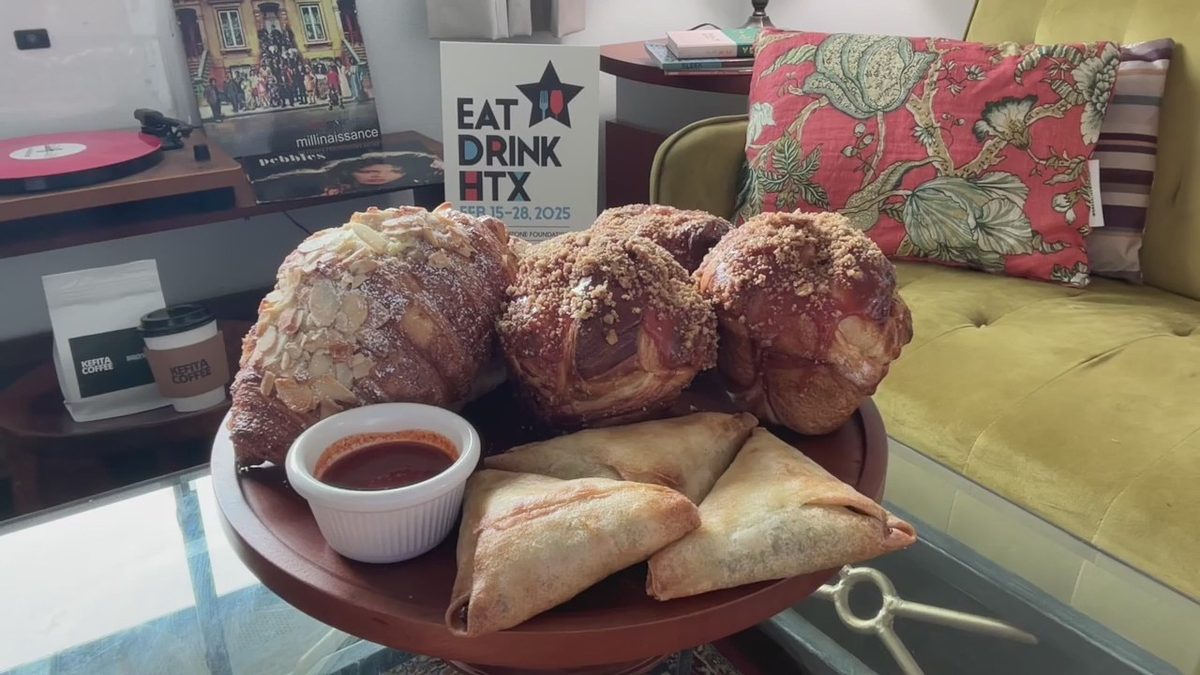
Kefita's identity — Abyssinian Latte, sambusa, converted-home warmth, and a neighborhood community focus — echoes the bunna bet. Adding beer and wine modernizes that Ethiopian café tradition for an American evening market rather than abandoning it.

Sources

(2)