

Pull to refresh
Logo
Ivanti gives outside AI agents governed access to endpoint data

Ivanti gives outside AI agents governed access to endpoint data

New Capabilities

The Model Context Protocol server is read-only and off by default. The same release adds Day Zero support for macOS 27, iOS 27 and Android 17.

Overview

Updated 36 minutes ago

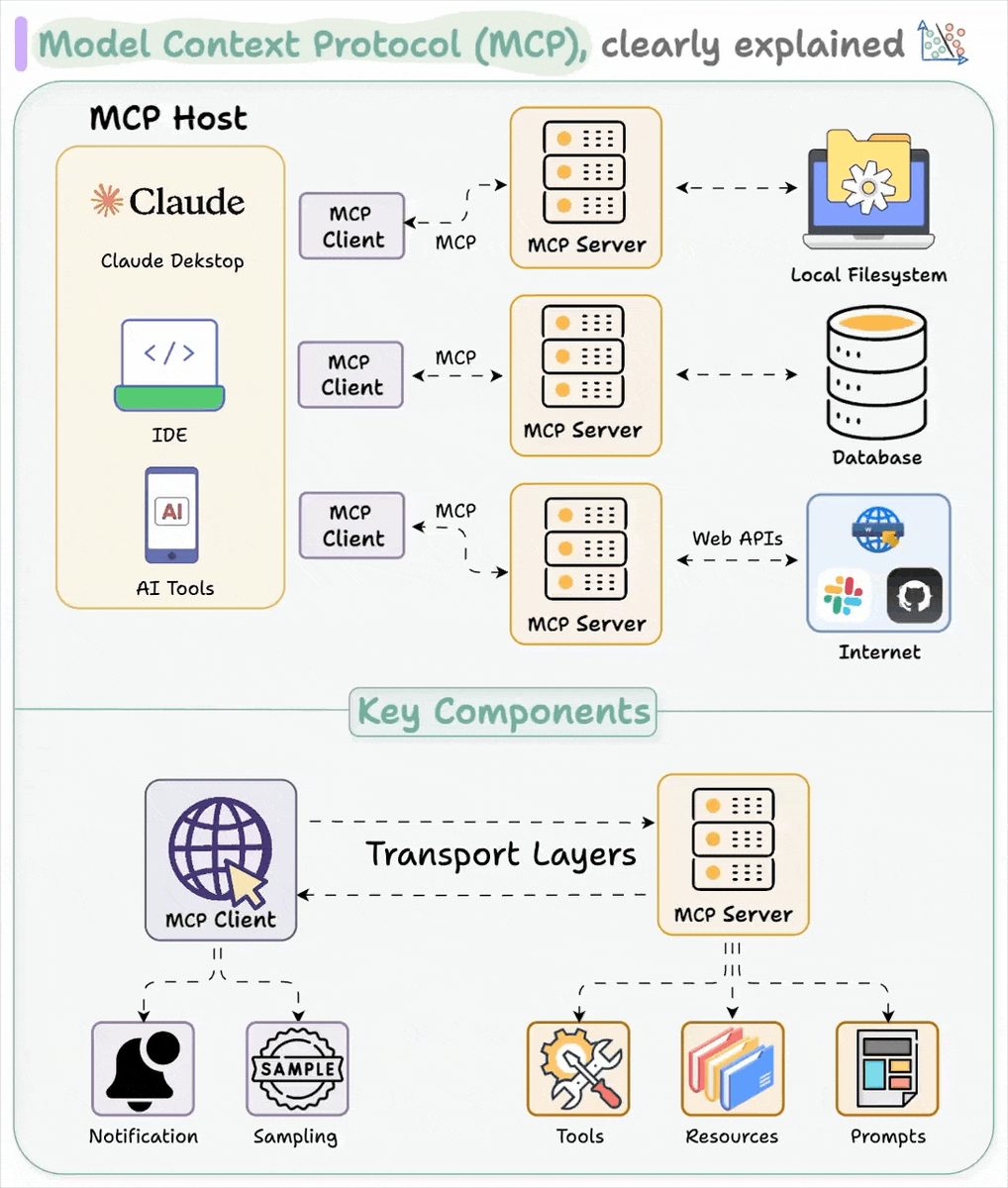
Before November 18, an Ivanti customer's AI assistant could explain how to patch a laptop. It could not say which laptops needed patching. Ivanti closed that gap by making its Model Context Protocol server generally available that day, letting GitHub Copilot, Claude Desktop and custom agents read device, patch, exposure and software data directly from Ivanti's records.

Access is narrower than it sounds. The server ships read-only and switched off, and an administrator has to register an OAuth client before any AI tool connects. What a client can see follows the user's existing Ivanti entitlements. How that client stores what it retrieves falls under the customer's own contract with the AI vendor, not Ivanti's.

Why it matters

The AI agent reading your company's patch data is only as safe as the permissions and contract behind it.

Questions about this story

Free account needed to ask — your question is kept and asked for you right after sign-up. Answers are public.

No questions yet — be the first to ask.

Key Indicators

7
Data domains exposed through MCP
Device, patch, exposures, software inventory, software distribution, reporting and edge intelligence.
60%
Organizations Gartner expects to miss AI value by 2027
Gartner attributes the gap to data governance and AI governance being run separately.
10,000+
Endpoints Ivanti manages with its own platform
The company runs its Autonomous Endpoint Management product on its own distributed workforce.
3
Operating systems added with Day Zero support
macOS 27, iOS 27 and Android 17 enter inventory as soon as users upgrade.

Voices

Curated perspectives — historical figures and your fellow readers.

Sign up to generate historical perspectives on this story.

Organizations Involved

Timeline

2026 November 2026

4 events Latest: Today
Tap a bar to jump to that date
  1. MCP Server reaches general availability

    Today Product

    Read-only, OAuth-scoped access to seven Neurons data domains.

  2. Day Zero support added for macOS 27, iOS 27 and Android 17

    Today Product

    Inventory stays current as users upgrade or buy new devices.

  3. AI Self-Service Agent goes generally available

    Today Product

    WebChat, SharePoint knowledge and multilingual support added to ITSM.

  4. Ivanti ships MCP Server in tech preview

    Product

    The third-quarter release grounds AI answers in platform context.

Scenarios

1

Ivanti lifts the read-only limit and agents start patching endpoints

Possible Resolves by End of 2027

Discussed by: Ivanti's own release materials, which describe connecting insights to 'controlled workflows and autonomous outcomes'

Ivanti calls read-only a starting point. The next step would be write access for patching or configuration changes, gated by approvals. That turns the server from a reporting channel into an execution layer, and puts Ivanti's audit trail in the path of every agent action.

2

Rival endpoint vendors answer with their own MCP servers

Likely Resolves by Q2 2027

Discussed by: Gartner, cited by Ivanti, which forecasts that 60% of organizations will fail to realize AI value by 2027 without integrated data and AI governance

If governed data access becomes a buying criterion, Intune and ManageEngine would need comparable servers. Ivanti would be early rather than unique, and the differentiator would shift to data quality and audit evidence rather than the connector itself.

3

A connected agent mishandles data and Ivanti adds new controls

Uncertain Resolves by Nov 18, 2027

Discussed by: Ivanti's own governance documentation, which places data handling on the customer's contract with the AI vendor rather than on Ivanti

Ivanti does not control what an AI client does with the records it retrieves. If an assistant logs device data somewhere it should not, or a leaked credential reaches the server, the response would be tighter scoping, shorter tokens or a per-domain allowlist. The read-only design limits the damage but not the disclosure.

Historical Context

3 moments from history that rhyme with this story — and how they unfolded.

March-July 2008

Apple opens the iPhone to outside developers (2008)

Apple announced a software development kit in March 2008 and opened the App Store that July. Outside programs could finally run on the iPhone, but only through Apple's review process, its revenue split and its power to revoke a developer's access.

Then

Developers flooded in, and the store became the main route for software to reach phone users.

Now

The gatekeeper model became the template for platform access and the subject of years of antitrust litigation.

Why this matters now

Ivanti is running a version of the same play at enterprise scale: open the data, keep the gate, and make the terms of access part of the product.

2005-2008

Salesforce lets partners build on its database (2005-2008)

Salesforce opened its customer records to outside developers, first through a partner marketplace and then through a programmable platform. Partners could read and write records held in Salesforce, subject to its permission model.

Then

A partner ecosystem grew around a product that had been a standalone sales tool.

Now

Being the system of record became a defensive moat, because rivals had to integrate with Salesforce rather than replace it.

Why this matters now

Ivanti's pitch carries the same trade. Let AI clients read the record, and the record becomes harder to displace.

December 2020

SolarWinds Orion compromise (December 2020)

Attackers slipped malicious code into a SolarWinds network monitoring update. Roughly 18,000 customers installed it, and intruders used that foothold to reach several U.S. federal agencies.

Then

The Cybersecurity and Infrastructure Security Agency issued an emergency directive, and agencies disconnected Orion.

Now

Software sitting inside the management layer became a named supply-chain risk, and vendors faced new scrutiny of their build pipelines.

Why this matters now

Ivanti's MCP server adds a new reader inside that same layer. The permission model is the company's answer to the question SolarWinds raised.

Sources

(11)