
Pull to refresh
Logo
Daily Brief
Following
Why Ranks Sign Up
Jardine Matheson buys Australia's I-MED Radiology in $2.4 billion deal

Jardine Matheson buys Australia's I-MED Radiology in $2.4 billion deal

Money Moves

Hong Kong conglomerate takes over the country's largest diagnostic imaging network from private equity owner Permira

Today: Deal terms become public; analysts dissect the multiple

Overview

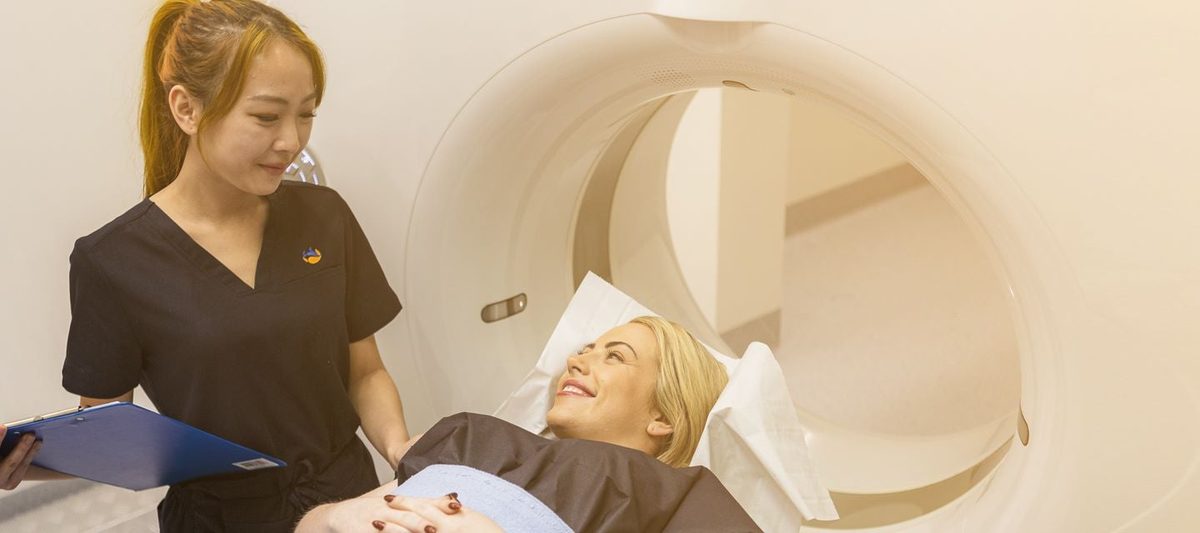
Jardine Matheson, the 193-year-old Hong Kong trading house, agreed to buy I-MED Radiology Network from London private equity firm Permira for US$2.4 billion. The all-cash deal hands Jardines control of 215 clinics across Australia and New Zealand that run more than 7 million scans a year.

Permira paid roughly US$900 million for I-MED in 2018. The sale price values the network at about 11.5 times projected EBITDA and gives Jardines a minority stake in Harrison.ai, the Sydney AI startup whose imaging models I-MED helped build. Closing depends on approval from Australia's competition regulator and Foreign Investment Review Board.

Why it matters

One foreign owner is about to control the scans of one in three Australians who get an X-ray, MRI or CT — and the AI being trained on them.

Key Indicators

$2.4B
Enterprise value
All-cash purchase price, one of the largest Asia-Pacific healthcare buyouts of 2026.
215
Clinics acquired
I-MED sites across Australia and New Zealand changing ownership.
7M+
Annual patient procedures
Scans I-MED performs each year, the largest volume in Australasia.
11.5x
EBITDA multiple
What Jardines is paying relative to projected adjusted earnings for the year to June 2026.
~39%
Permira's return
Estimated gain on the roughly $900M Permira paid EQT for I-MED in 2018.
8 years
Private equity holding period
How long Permira owned I-MED before agreeing this exit.

Voices

Curated perspectives — historical figures and your fellow readers.

Ever wondered what historical figures would say about today's headlines?

Sign up to generate historical perspectives on this story.

Play

Exploring all sides of a story is often best achieved with Play.

Log in to play. Track your picks, climb the leaderboards. Log in Sign Up
Predict 4 ways this could play out. Contrarian picks score more — points lock when the scenario resolves. Log in to play
Higher or Lower Two numbers from this story. Guess which is bigger. 5 rounds to set a streak. Log in to play
Timeline Five events from this story — drag them oldest to newest. Log in to play
Connections Sixteen names from the news. Find the four hidden groups of four. Log in to play

People Involved

Organizations Involved

Timeline

January 2000 May 2026

10 events Latest: Today
Tap a bar to jump to that date
  1. Deal terms become public; analysts dissect the multiple

    Today Reporting

    South China Morning Post, Bloomberg and Seeking Alpha publish details: 11.5x EBITDA multiple, 39% return for Permira, Harrison.ai stake included.

  2. Jardine Matheson and Permira announce I-MED sale

    Announcement

    All-cash deal values I-MED at US$2.4B and bundles in its minority Harrison.ai stake. Closing expected in late 2026 pending ACCC and FIRB approval.

  3. Bloomberg reports Jardines near deal for I-MED

    Reporting

    The Hong Kong group is said to be nearing a US$2.4B agreement with Permira to take full ownership.

  4. Australia's mandatory merger notification regime takes effect

    Regulation

    ACCC flags radiology and pathology roll-ups as priority sectors for closer scrutiny.

  5. I-MED discloses credential-stuffing data breach

    Cybersecurity

    Patient files, scans and personal details from three I-MED accounts are exposed after attackers reuse stolen credentials.

  6. I-MED launches annalise.ai with Harrison.ai

    Partnership

    The joint venture builds Annalise CXR, an AI chest X-ray tool later deployed across I-MED clinics.

  7. Permira buys I-MED from EQT for ~$900M

    Acquisition

    London-based Permira takes the network private from Swedish PE firm EQT, financing the deal against I-MED's Medicare-backed cash flows.

  8. I-MED formed from three-way Australian imaging merger

    Founding

    I-MED, DCA and MIA combine to create what becomes Australia's largest diagnostic imaging chain.

Historical Context

3 moments from history that rhyme with this story — and how they unfolded.

April 2023

ACCC blocks Australian Clinical Labs–Healius merger (2023)

The ACCC opposed Australian Clinical Labs' A$2.4 billion bid for rival pathology group Healius. Chair Gina Cass-Gottlieb said the combined company would have controlled too much of the country's community pathology market and reduced competition for GP referrals.

Then

ACL withdrew its takeover bid within weeks of the ACCC ruling.

Now

The decision became the template for the ACCC's hard line on healthcare roll-ups and helped justify the mandatory merger regime that began in January 2026.

Why this matters now

Diagnostic imaging is the ACCC's next named priority after pathology. The Jardines-I-MED deal is the largest test of how the new regime treats a single buyer concentrating clinical capacity.

September 2018

Permira buys I-MED from EQT (2018)

Permira agreed to buy I-MED from EQT for around US$900 million, ending a five-year EQT hold during which the chain doubled its clinic count. The deal was financed against Medicare-billed cash flows that buyers viewed as stable and inflation-linked.

Then

EQT exited with a strong return and Permira inherited a network of about 200 clinics.

Now

Under Permira, I-MED added clinics in New Zealand, launched the Harrison.ai joint venture and grew earnings enough to triple the underlying valuation by 2026.

Why this matters now

Jardines is buying from the second consecutive private equity owner. Each handoff has added scale and debt; the question is whether a strategic owner can extract more value than the next PE buyer would have.

June 2019

Brookfield buys Healthscope hospitals from public markets (2019)

Canadian asset manager Brookfield took private hospital operator Healthscope private in a A$4.4 billion deal, betting on rising demand for Australian private healthcare. Critics warned that financial-sponsor ownership of essential clinical infrastructure would pressure margins at the expense of staff and patients.

Then

Brookfield restructured the property portfolio through sale-and-leaseback deals to pay down acquisition debt.

Now

By 2025 Healthscope was in receivership, with rents on its leased hospitals exceeding what the operating business could service — a high-profile failure of leveraged healthcare ownership.

Why this matters now

The Healthscope collapse is the cautionary case for foreign and financial owners of Australian clinical assets. Jardines is positioning itself as a long-term operator rather than a leverage play, but regulators and the public will judge it against that recent memory.

Sources

(9)