

Pull to refresh
Logo
Las Vegas City Council to review 1988 billboard variance

Las Vegas City Council to review 1988 billboard variance

Rule Changes Las Vegas, NV local

Oct. 21 hearing will decide the fate of a 65-foot Clear Channel sign on Highland Avenue

Today: Agenda lists variance review

Overview

Updated 1 hour ago

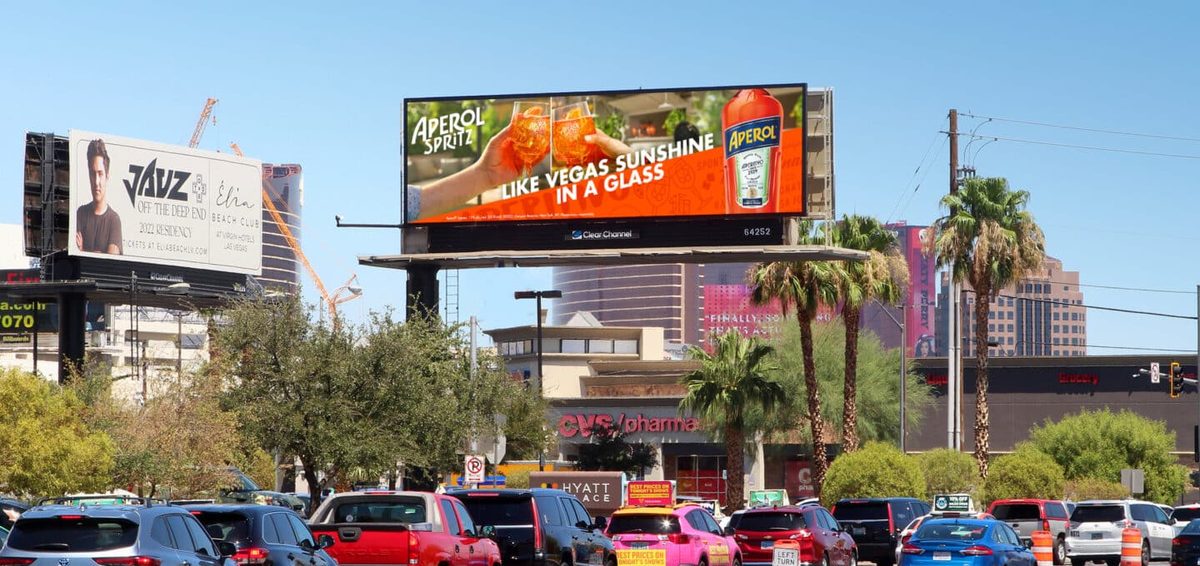
A 65-foot billboard approved in 1988 goes before the Las Vegas City Council on Wednesday. The off-premise sign at 2008 Highland Avenue sits in an industrial zone under a variance granted that year. Now the variance faces its required review.

Clear Channel Outdoor, one of the world's largest billboard operators, filed the application. The land's owner, Ferris Investments, controls the property. The council can keep the sign as it is, modify it, or order it removed.

Why it matters

Wednesday's vote decides whether a 65-foot billboard keeps its Highland Avenue spot or comes down.

Monday: what changed in Las Vegas, NV

One short email a week with the openings, closings, permits and council votes we covered. Free. Unsubscribe in one click.

Questions about this story

Free account needed to ask — your question is kept and asked for you right after sign-up. Answers are public.

No questions yet — be the first to ask.

Key Indicators

38
Years since variance approval
Variance V-0026-88 was approved in 1988; the review comes nearly four decades later.
65 ft
Approved sign height
The variance allows a 65-foot-tall off-premise sign.
14 x 48 ft
Approved sign face
The sign face measures 14 by 48 feet.

Voices

Curated perspectives — historical figures and your fellow readers.

Ever wondered what historical figures would say about today's headlines?

Sign up to generate historical perspectives on this story.

People Involved

Organizations Involved

Timeline

1988 October 2026

3 events Latest: Today
  1. Public hearing scheduled

    Upcoming Hearing

    Council hears 26-0308-RQR1; residents may testify on the 1988 variance.

  2. Agenda lists variance review

    Today Publication

    City Council agenda posts item 26-0308-RQR1 for the Oct. 21 hearing.

  3. Variance V-0026-88 approved

    Land-use decision

    Las Vegas approved a variance allowing a 65-foot off-premise sign on Highland Avenue.

Scenarios

1

Council confirms 1988 billboard variance

Uncertain Resolves by Oct 21, 2026

Discussed by: Agenda materials; the outcome turns on staff's recommendation, which was not public as of the item's posting.

If the council accepts that the variance meets city requirements, the 65-foot sign continues operating unchanged. Clear Channel and Ferris Investments keep the sign as approved in 1988. This is the usual result for long-standing variances that have drawn no enforcement action.

2

Council revokes Highland Avenue billboard variance

Unlikely Resolves by Oct 21, 2026

Discussed by: No opposition appears in the published record; revocation would require evidence the sign violates current conditions.

A vote to deny the variance would order the sign removed or require it to meet current zoning. That happens when a review finds conditions no longer satisfied, such as changed land uses or safety issues. Residents can testify at the hearing, which could push the council against the sign.

3

Council defers billboard variance review

Possible Resolves by Oct 21, 2026

Discussed by: Agenda items are regularly deferred, withdrawn, or moved, per the published agenda itself.

The council could table the item for lack of a recommendation, incomplete information, or a crowded agenda. A deferral reschedules the review to a later meeting without deciding the sign's fate. Residents planning to attend are advised to recheck the agenda.

Historical Context

2 moments from history that rhyme with this story — and how they unfolded.

October 1965

Highway Beautification Act (1965)

President Lyndon Johnson signed the Highway Beautification Act, which required states to control billboards along interstate and federal-aid highways or lose federal highway funds. The law capped outdoor advertising near those roads and mandated removal of nonconforming signs with just compensation.

Then

States adopted billboard-control programs to keep their highway funding, and a federal-state inspection regime took shape.

Now

The 1965 act established the enduring public framework for regulating billboards, one that local variance reviews now operate within.

Why this matters now

The 1988 Las Vegas variance is part of this same regulatory tradition: local boards decide whether each sign may stand.

June 2015

Reed v. Town of Gilbert (2015)

The Supreme Court unanimously struck down Gilbert, Arizona's sign code, which treated sign categories differently based on their messages, as a content-based restriction violating the First Amendment. The ruling forced communities nationwide to rewrite sign ordinances.

Then

Hundreds of cities overhauled their sign codes to avoid content-based rules within months of the decision.

Now

Reed set the standard that sign laws must be content-neutral, constraining how local boards regulate signs and variances.

Why this matters now

The Las Vegas council's variance decision on Oct. 21 runs under sign rules shaped by Reed's content-neutrality requirement.

Sources

(4)