
Pull to refresh
Logo
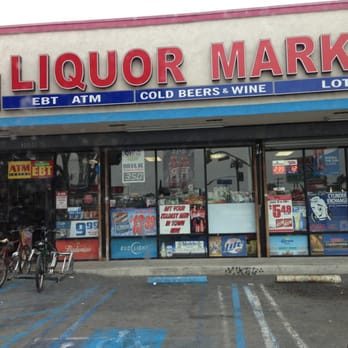
7-10 Liquor Market 5 receives California liquor license for Lincoln Boulevard store

7-10 Liquor Market 5 receives California liquor license for Lincoln Boulevard store

Rule Changes Los Angeles, CA local

Approval clears one regulatory hurdle; store still needs more steps before opening

August 24th, 2026: California ABC approves type 21 license

Overview

Updated 46 minutes ago

State regulators approved a retail liquor license for a new 7-10 Liquor Market store at 8526-28 Lincoln Boulevard in Los Angeles on August 24. The license type 21 is the standard permit for selling beer and wine for off-site consumption at convenience stores—but it is only one approval among several the business needs before it can open.

The chain already runs similar markets in nearby Lynwood, showing the business model worksin similar neighborhoods. Whether this location actually opens depends on inspections, local permits, and other regulatory steps that remain outstanding.

Why it matters

One license approval doesn't equal an open store—this hinges on whether remaining permits arrive and the location actually starts selling alcohol.

Questions about this story

Free account needed to ask — your question is kept and asked for you right after sign-up. Answers are public.

No questions yet — be the first to ask.

Key Indicators

Type 21
License type approved
Type 21 allows off-sale beer and wine sales at retail. This approval was recorded on August 24, 2026.
Active
License status
The official ABC record lists the license as active, meaning it is currently valid.

Voices

Curated perspectives — historical figures and your fellow readers.

Ever wondered what historical figures would say about today's headlines?

Sign up to generate historical perspectives on this story.

Organizations Involved

Timeline

1 event Latest: August 24th, 2026 · 4 weeks ago
  1. California ABC approves type 21 license

    Latest Regulatory approval

    The Department of Alcoholic Beverage Control approved a license for off-sale beer and wine at 7-10 Liquor Market 5, locatedat 8526-28 Lincoln Boulevard. The record shows the license as active.

Scenarios

1

Lincoln Boulevard store opens for business

Likely Resolves by End of 2026

Discussed by: Likely scenario based on the chain's existing operations and standard licensing process

The store completes local business registration, passes any needed inspections,and begins selling beer, wine, snacks,and groceries. The chain's successful Lynwood location shows this model works, and the ABC approval clears the main state hurdle. Opening could happen within months, depending onbow fast the remaining local permits are processed.

2

License approval faces protest or revocation

Unlikely Resolves by Oct 31, 2026

Discussed by: Community groups or local officials concerned about alcohol availability in the neighborhood

Neighbors or civic organizations file an objection with the California ABC, potentially triggering a public hearing. If the agency findings a problem with the applicant or location, it could suspend or revoke the license before the store opens. Similar challenges have delayed other small liquor stores in Los Angeles County.

Historical Context

2 moments from history that rhyme with this story — and how they unfolded.

1935

California Alcoholic Beverage Control Act (1935)

After Prohibition ended, California established the Department of Alcoholic Beverage Control to regulate all alcohol sales. The state created a licensing system that controls who can sell alcohol, where, and under what conditions.

Then

Businesses needed a state license before selling alcohol, ending the open market.

Now

The ABC has issued and revoked licenses for decades, shaping how alcohol is distributed across California. Every liquor store today operates under this system.

Why this matters now

This approval for 7-10 Liquor Market is part of that system. The ABC's ongoing control means state regulators, not just local authorities, decide whether a store can sell alcohol.

1980s

Los Angeles liquor store moratoriums(1980s)

Facing an oversupply of liquor stores in low-income neighborhoods, several Los Angeles area cities imposed temporary moratoriums on new liquor licenses. New stores had to prove a community need.

Then

License issuance slowed dramatically, and some proposed stores never opened.

Now

Existing licenses became more valuable, and the case-by-case review process grew more rigorous. Communities gained a tool to challenge new alcohol outlets.

Why this matters now

It shows that a license approval historical context doesn't guarantee a store will open. Local resistance and additional reviews can still block or delay operations, even after state licensing.

Sources

(1)