
Pull to refresh
Logo
Housing lottery opens for 122 units at The Landing in Mott Haven

Housing lottery opens for 122 units at The Landing in Mott Haven

Built World New York, NY local

Rents run $2,047 to $3,243 a month for households earning $75,943 to $238,160; applications close December 17

Overview

Updated 47 minutes ago

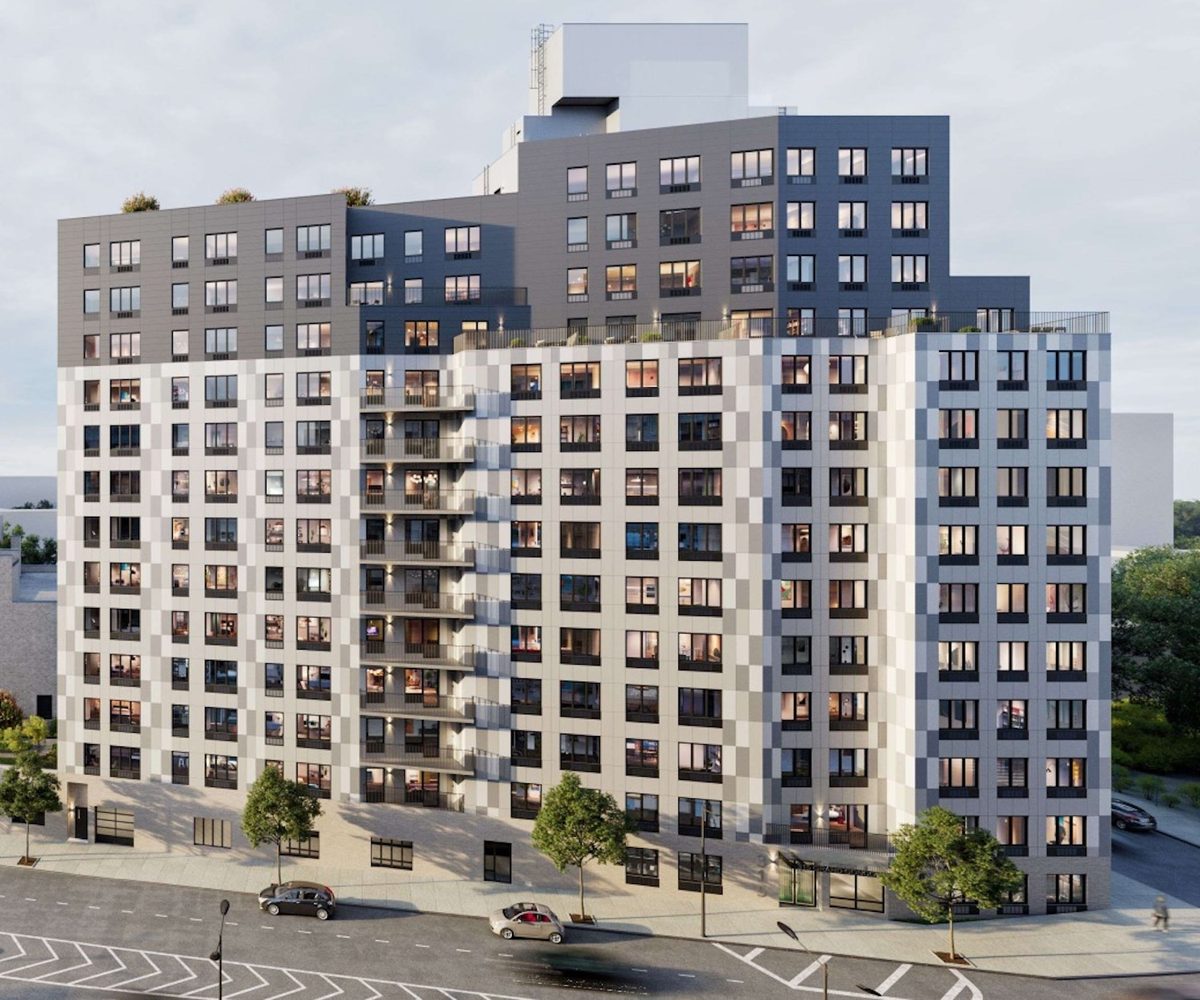
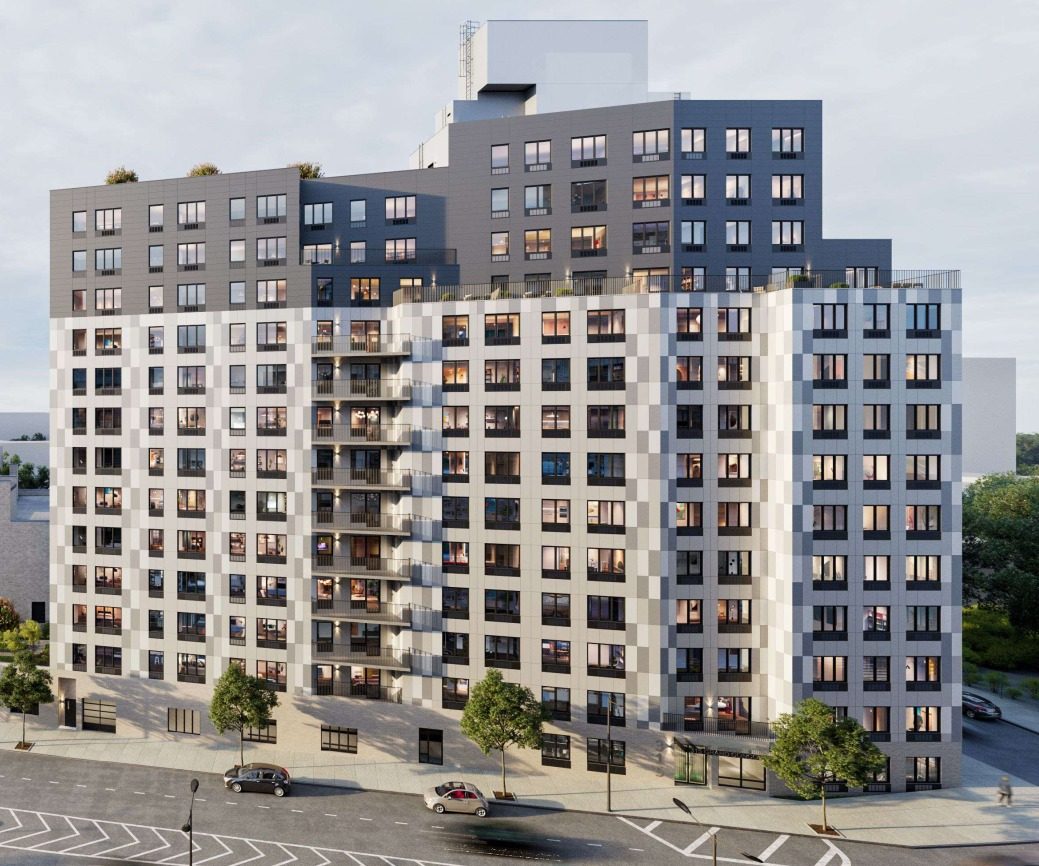
The Landing, a 13-story building at 315 Grand Concourse in Mott Haven, opened 122 of its 240 apartments to applications through NYC Housing Connect on November 21, 2026. Rents run from $2,047 for a studio to $3,243 for a two-bedroom. Applications close December 17.

The units sit in two income bands, 80 percent and 130 percent of the area median income (AMI). That sets a floor as well as a ceiling: a household must earn at least $75,943 and no more than $238,160 to qualify for anything here. Twenty percent of the units are reviewed first for Bronx Community District 1 residents, 10 percent for city employees and military veterans, 5 percent for applicants with a mobility disability and 2 percent for applicants with a vision or hearing disability.

The top band lands close to what the neighborhood already charges. RentReboot, an independent lottery-alert service, put the median asking rent for a Mott Haven two-bedroom at $3,195 in October 2026, slightly below the $3,243 two-bedroom listed at 130 percent of AMI.

Why it matters

For households earning $76,000 to $238,000, this lottery is a rare route into a new Bronx tower without paying full market rent.

Last Monday's email for New York, NY

Sent Nov 16. It carried:

Get next Monday's: one short email a week. Free. Unsubscribe in one click.

Questions about this story

Free account needed to ask — your question is kept and asked for you right after sign-up. Answers are public.

No questions yet — be the first to ask.

Key Indicators

122
Apartments in the lottery
Units offered through NYC Housing Connect out of 240 in the building.
240
Total residences
The full unit count for the 13-story building at 315 Grand Concourse.
$2,047
Lowest monthly rent
Studio at 80 percent of AMI, for incomes of $75,943 to $108,560.
$3,243
Highest monthly rent
Two-bedroom at 130 percent of AMI, for incomes of $120,035 to $238,160.
$75,943
Minimum eligible income
The lowest income accepted for any unit in this lottery.
$238,160
Maximum eligible income
The highest income accepted, for a five-person household in a 130 percent AMI two-bedroom.
20%
Bronx Community District 1 preference
Share of units reviewed first for residents of the district that contains the building.
December 17, 2026
Application deadline
Online submissions and mailed applications must be postmarked by this date.

Voices

Curated perspectives — historical figures and your fellow readers.

Sign up to generate historical perspectives on this story.

Organizations Involved

Timeline

1 event Latest: Today
  1. The Landing opens its lottery

    Today Housing lottery

    122 of the building's 240 apartments are listed on NYC Housing Connect at 80 and 130 percent of area median income. Applications close December 17, 2026.

Scenarios

1

Lottery closes on schedule with far more applicants than units

Likely Resolves by Dec 17, 2026

Discussed by: NYC Housing Connect listing mechanics and HPD's published lottery guidance

Applications stop on December 17, 2026, and the marketing agent works through preference groups before reaching general applicants in log-number order, with New York City residents ahead of non-residents. The record does not say how many applications have come in, but the structure of the process means demand is resolved by queue position, not by speed of applying.

2

All 122 units leased at the listed rents by mid-2027

Possible Resolves by Q2 2027

Discussed by: No published projection; the listing's rent and income table is the only stated plan

The building fills at the advertised rents, from $2,047 studios to $3,243 two-bedrooms, after the marketing agent screens applicants for income, household size and preference eligibility. The record gives no leasing schedule and no completion date for the building, so timing is the open question.

3

Top-band units lag as $3,243 two-bedrooms sit near neighborhood asking rents

Unlikely Resolves by Q2 2027

Discussed by: RentReboot's NYC Rental Index, which put the Mott Haven two-bedroom median ask at $3,195 in October 2026

The 130 percent AMI units carry rents close to or above what the surrounding market asks, while still imposing income ceilings and a paperwork process. If those units draw fewer eligible applicants, the 58 top-band apartments could take longer to fill than the 64 units at 80 percent of AMI.

Historical Context

2 moments from history that rhyme with this story — and how they unfolded.

1986

Low-Income Housing Tax Credit (1986)

The Tax Reform Act of 1986 created a federal tax credit for investors who put money into rental housing reserved for households below set income limits. It replaced direct federal construction spending with a credit that developers could sell to raise equity.

Then

Developers gained a predictable way to finance below-market units inside otherwise market-rate projects.

Now

The credit became the main federal subsidy for new affordable rental construction in the United States.

Why this matters now

Buildings like The Landing pair market-rate apartments with an income-restricted set of units; that set-aside structure is the model federal and local subsidy programs now use.

1974

Section 8 rental assistance (1974)

The Housing and Community Development Act of 1974 created the Section 8 program, which paid the gap between what a household could afford and a rent ceiling set by government. It shifted federal housing aid from building public housing toward subsidizing tenants in private buildings.

Then

Rent subsidies followed households rather than units, and income limits became the measure of eligibility.

Now

Income-targeted subsidy became the standard structure for American rental assistance.

Why this matters now

The income-banded rent tables applicants now read, including The Landing's 80 and 130 percent AMI tiers, descend from that shift to targeting households by income.

Sources

(3)