
Pull to refresh
Logo
Toys 'R' Us reopens standalone stores across the U.S., including Grand Central Terminal

Toys 'R' Us reopens standalone stores across the U.S., including Grand Central Terminal

Money Moves New York, NY local

More than 160 standalone shops are open with partner Go! Retail Group, beating a September target of 120 and putting the brand back in Manhattan

Overview

Updated 50 minutes ago

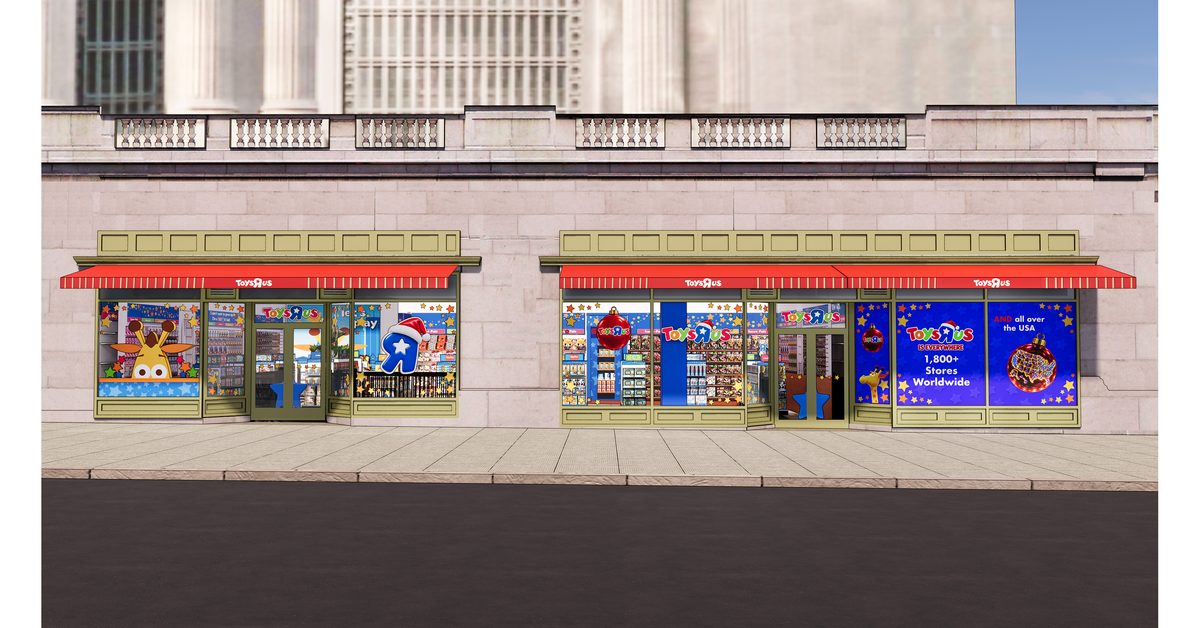
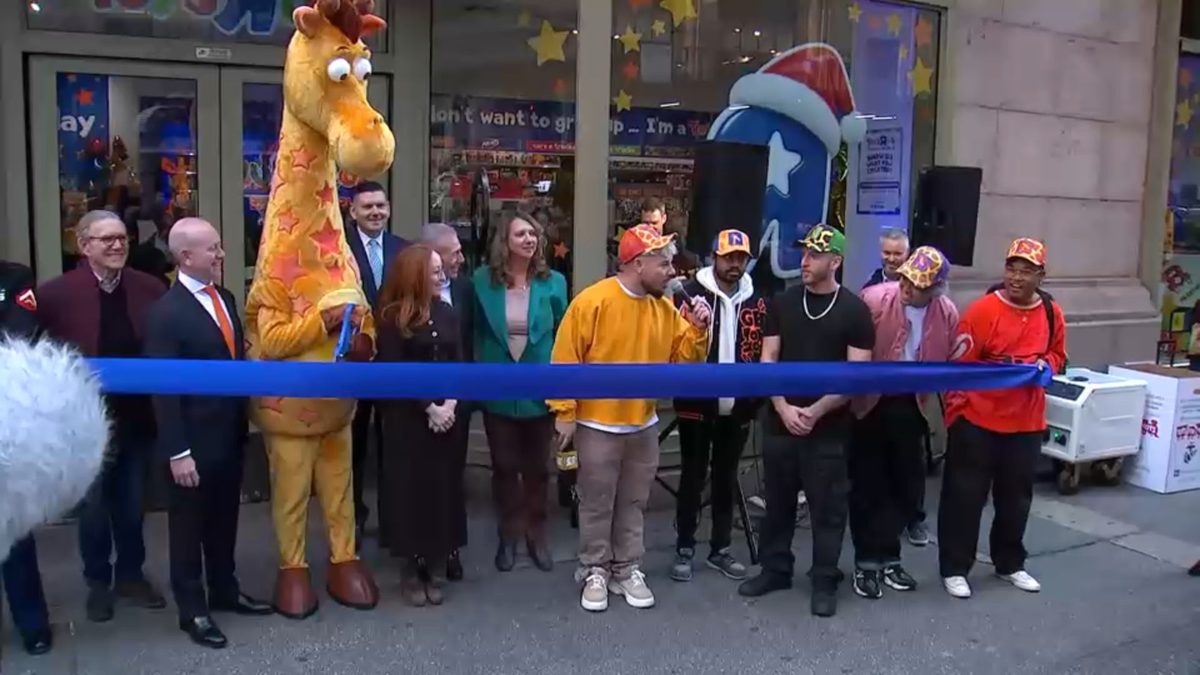
Toys 'R' Us shut its last U.S. stores in 2018. This week it has more than 160 standalone shops open, including one inside Grand Central Terminal that opened Nov. 20 with Geoffrey the Giraffe cutting the ribbon.

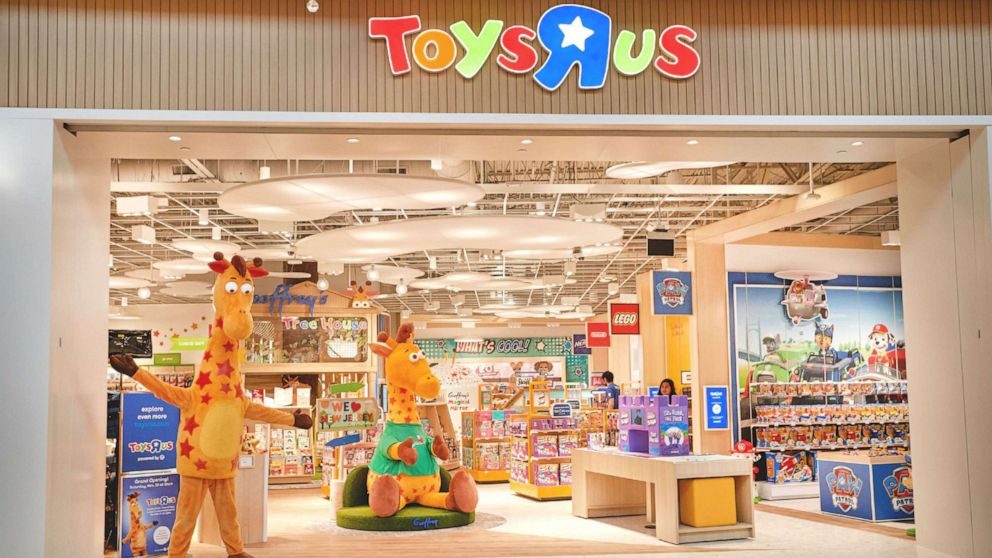
The comeback uses a different structure from the old chain. WHP Global, the brand management firm that bought the name in 2021, owns Toys 'R' Us; Go! Retail Group, an Austin company that built its business on pop-up shops, operates the stores. Whether these 160 locations survive past the holidays is the open question.

Why it matters

A chain that closed every U.S. store in 2018 is back to 160, testing whether a licensed name can hold retail space.

Last Monday's email for New York, NY

Sent Nov 16. It carried:

Get next Monday's: one short email a week. Free. Unsubscribe in one click.

Questions about this story

Free account needed to ask — your question is kept and asked for you right after sign-up. Answers are public.

No questions yet — be the first to ask.

Key Indicators

160+
Standalone U.S. stores open
More than 160 standalone Toys 'R' Us shops are operating nationwide as of the Nov. 20 opening.
120
Original store target
The September goal was 120 standalone stores open before the holiday season began.
1,800+
Toys 'R' Us stores worldwide
The brand operates in more than 37 countries, most of them outside the United States.
$2B
Annual global retail sales
Company-reported figure across stores and e-commerce in 37-plus countries.
$5B
Debt at the 2017 bankruptcy filing
The load that pushed the chain into Chapter 11 protection in September 2017.

Voices

Curated perspectives — historical figures and your fellow readers.

Sign up to generate historical perspectives on this story.

People Involved

Organizations Involved

Timeline

September 2017 November 2026

9 events Latest: Today
Tap a bar to jump to that date
  1. 160-plus stores confirmed before Black Friday

    Today Milestone

    The nationwide count stays above the original target as the holiday shopping season starts.

  2. Grand Central Terminal store opens

    Opening

    Geoffrey the Giraffe cuts the ribbon at 89 East 42nd Street; first 50 customers get a giveaway.

  3. Rollout passes its target

    Announcement

    Company says more than 160 standalone stores are open, beating the 120 goal.

  4. 120 standalone stores announced

    Announcement

    Toys 'R' Us and Go! Retail Group set a 120-store target for the holidays.

  5. Shop-in-shops open inside Macy's

    Partnership

    Toys 'R' Us sections begin appearing inside Macy's stores nationwide.

  6. Test stores close; WHP Global buys the brand

    Ownership

    Both 2019 stores shut. WHP Global acquires the Toys 'R' Us name.

  7. Smaller stores tested in New Jersey and Texas

    Expansion

    The brand tries physical retail again with two smaller stores.

  8. U.S. business liquidated

    Closure

    The company winds down its U.S. operations and closes its remaining stores.

  9. Toys 'R' Us files for bankruptcy

    Bankruptcy

    The chain seeks Chapter 11 protection carrying $5 billion in debt it cannot refinance.

Scenarios

1

Toys 'R' Us passes 200 U.S. standalone stores in 2027

Likely Resolves by End of 2027

Discussed by: WHP Global's own framing of Toys 'R' Us as a growth brand across 37-plus countries

The brand already beat one target this year, turning a planned 120 stores into more than 160. Because a partner signs the leases, WHP Global can expand without carrying the real estate itself. If holiday sell-through is strong, a second wave announced for the 2027 season is the natural next step.

2

Holiday stores come down and the count falls below 160

Possible Resolves by Jan 31, 2028

Discussed by: Go! Retail Group's disclosed history as a pop-up store operator

Go! Retail Group's business began with short-term pop-up shops across six countries, and short-term space is easier to open fast than to keep. If a large share of the leases end after December, the standalone count slides back toward the September target or below. That would make 2026 a seasonal push rather than a rebuilt chain.

3

The Grand Central shop closes within a year

Unlikely Resolves by Nov 30, 2027

Discussed by: The economics of small transit-hub retail, which swings with commuting volume

The Grand Central location is a small shop inside a rail terminal, built for commuters and tourists rather than destination shopping. One lease ending would not say much about the other 159 stores, but it would show the brand works better as a destination than as an impulse stop.

Historical Context

3 moments from history that rhyme with this story — and how they unfolded.

September 2017 – 2018

Toys 'R' Us bankruptcy and liquidation (2017–2018)

Toys 'R' Us filed for Chapter 11 bankruptcy protection in September 2017 carrying $5 billion in debt. It could not restructure, and in 2018 it liquidated its U.S. business and closed its remaining stores.

Then

The stores went dark and the brand's intellectual property went to auction rather than staying with the retailer.

Now

WHP Global bought the name in 2021 and rebuilt it as a licensed brand with partner operators, not a store chain.

Why this matters now

Every store opened in 2026 sits inside that licensing structure, not the old corporate one. The return is of a name, not a company.

2012 – 2013

Hostess Brands liquidation and relaunch (2012–2013)

Hostess Brands, the maker of Twinkies and Ho Hos, liquidated in 2012 after a strike shut its bakeries. Its snack-cake brands were sold off in bankruptcy court.

Then

Twinkies returned to store shelves the following year under new ownership.

Now

The product names outlived the company that made them, and the relaunched business later returned to public markets.

Why this matters now

Same mechanics as Toys 'R' Us: customer recognition in a name survived the operating company that failed.

2008

Sharper Image (2008)

The gadget retailer filed for bankruptcy in 2008 and closed its stores. The brand was bought and kept alive on products sold through other retailers.

Then

No return to a national store chain.

Now

Sharper Image became a licensing label rather than a retailer, a model brand-management firms now use widely.

Why this matters now

Shows both the ceiling and the floor of a brand revival: the name comes back, the store fleet often does not.

Sources

(4)