

Pull to refresh
Logo
Labor Department finalizes pharmacy benefit manager disclosure rule

Labor Department finalizes pharmacy benefit manager disclosure rule

Rule Changes

Rule exposes rebates, pharmacy payments, and spread pricing to self-insured employers

Overview

Updated 52 minutes ago

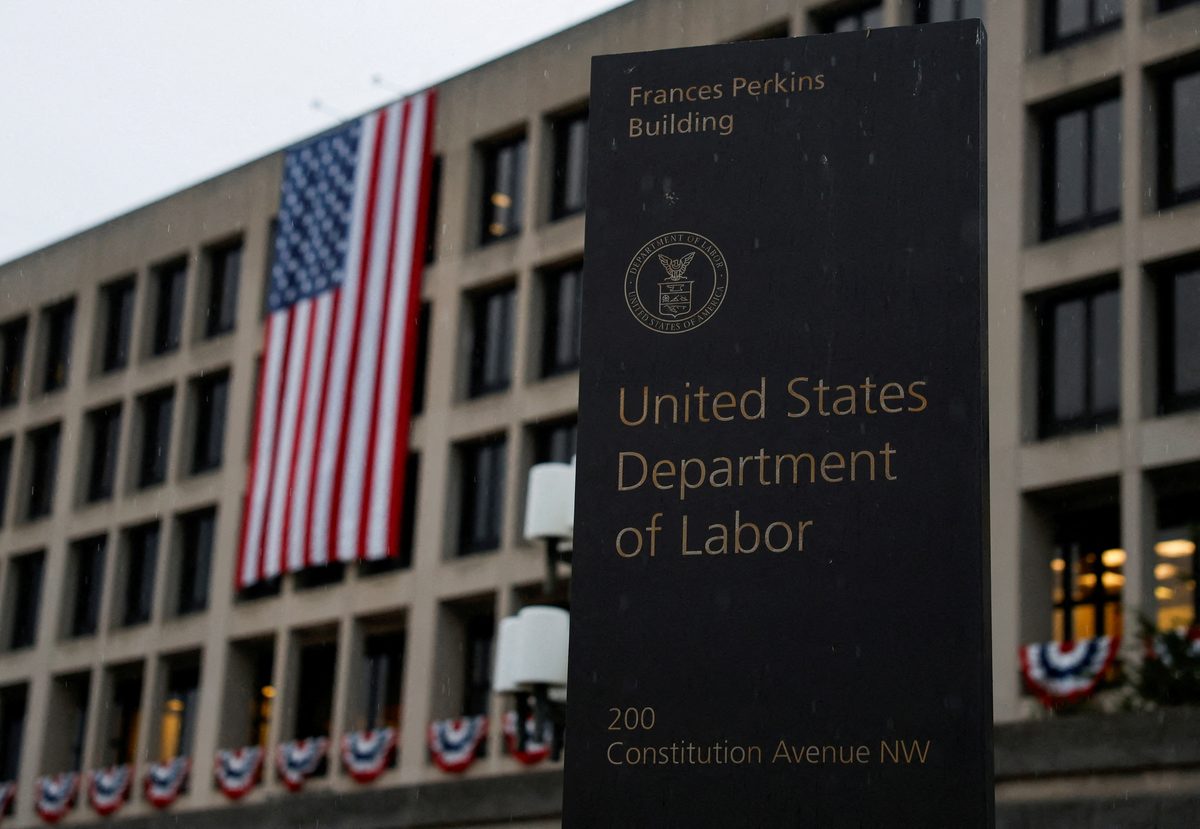
For years, employers could not see how much of their workers' drug spending their pharmacy benefit manager (PBM) kept in hidden rebates and fees. On Thursday the Labor Department finalized a rule forcing those middlemen to disclose their compensation to self-insured employers.

Starting in July 2027, PBMs will report drugmaker rebates, pharmacy payments, and spread pricing every six months, and employers can audit them once a year. Regulators project the transparency will lower drug costs by $22 billion over a decade. PBMs that refuse face fines and can lose their contracts.

Why it matters

If the rule holds, employers can finally see what drug middlemen earn from rebates and spread pricing, and push drug costs down.

Questions about this story

Free account needed to ask — your question is kept and asked for you right after sign-up. Answers are public.

No questions yet — be the first to ask.

Key Indicators

$22B
Projected decade of drug-cost savings
DOL projects the rule will lower employer and worker drug spending by $22 billion over ten years.
80%
Big Three PBM share of U.S. prescriptions
CVS Caremark, Express Scripts, and Optum Rx control roughly 80% of American prescriptions.
100
Minimum plan participants covered
The rule applies to self-insured group health plans with more than 100 participants.
$1M
First-year PBM compliance cost per firm
DOL estimates PBMs will spend $1 million in year one and $300,000 yearly after to comply.

Voices

Curated perspectives — historical figures and your fellow readers.

Sign up to generate historical perspectives on this story.

People Involved

Organizations Involved

Timeline

September 2024 October 2026

5 events Latest: Yesterday
Tap a bar to jump to that date
  1. DOL finalizes PBM disclosure rule

    Latest Regulation

    DOL finalizes PBM disclosure rule after months of employer lobbying and PBM opposition.

  2. DOL proposes PBM fee disclosure rule

    Regulation

    DOL proposes rule requiring PBMs to disclose fees and compensation to employer health plans.

  3. Congress passes PBM transparency reforms

    Legislation

    Consolidated Appropriations Act of 2026 includes sweeping PBM transparency requirements.

Scenarios

1

Court blocks PBM disclosure rule

Possible Resolves by Jul 31, 2027

Discussed by: PCMA and major PBMs; anticipated in Raymond James analysis

PBMs have argued the DOL lacks legal authority under ERISA for these disclosures. A challenge would likely reach federal court before the July 2027 effective date; a preliminary injunction or vacatur would delay or kill the rule. The DOL aligned the final text with the 2026 Congressional reforms partly to blunt this argument.

2

Disclosure rule cuts drug spending

Uncertain Resolves by End of 2028

Discussed by: Department of Labor; ERIC and other employer groups

Employers use the new data to renegotiate contracts, push for fuller rebate pass-through, and switch PBM vendors. The DOL projects $22 billion in savings over ten years as competition intensifies among PBMs. First evidence would appear in employer drug-trend data after the rule takes effect.

3

Rule changes disclosure, not drug prices

Possible Resolves by End of 2028

Discussed by: Chris Meekins of Raymond James; PCMA

The rule mandates disclosure but does not cap compensation, ban spread pricing, or prohibit rebate retention. PBMs may restructure how fees are labeled rather than reduce what they keep, leaving total employer drug spending largely unchanged. Employers with weak negotiating leverage may gain information without gaining leverage.

Historical Context

3 moments from history that rhyme with this story — and how they unfolded.

February 2012

ERISA retirement fee disclosure rule (February 2012)

The Labor Department used the same ERISA section at stake now, 408(b)(2), to require retirement-plan service providers to disclose direct and indirect compensation to plan fiduciaries. The rule responded to findings that hidden fees were eroding retirement savings and took effect July 1, 2012.

Then

Plan sponsors gained a detailed picture of what administrators and advisors earned.

Now

Created the template for ERISA-based fee disclosure and put the statutory hook in place that the PBM rule now uses.

Why this matters now

The 2012 rule is the direct parent of Thursday's decision, proving the same legal framework can force service providers to reveal hidden compensation.

September 2024

FTC action against the Big Three PBMs (2024-2026)

In September 2024 the Federal Trade Commission sued CVS Caremark, Express Scripts, and Optum Rx, accusing the three largest PBMs of inflating insulin prices by excluding cheaper drugs and steering patients to their own pharmacies.

Then

The companies disputed the claims and the case entered litigation; by 2026 the FTC had reached settlements and PBMs began restructuring.

Now

Put parallel federal enforcement pressure on the same three companies now covered by the disclosure rule.

Why this matters now

The FTC case and the DOL rule are both federal efforts to rein in the same three PBMs, and the rule followed directly from that enforcement wave.

November 2019

Hospital price transparency rule (2019-2021)

In November 2019 the Centers for Medicare and Medicaid Services finalized a rule requiring hospitals to publish the rates insurers actually negotiated, taking effect January 2021. Hospital groups sued to block it.

Then

A federal court upheld the rule and hospitals began publishing prices, though compliance varied.

Now

Established transparency as a federal strategy for lowering healthcare prices and showed such rules get litigated.

Why this matters now

This forecast the PBM playbook: a transparency mandate, an industry lawsuit, and a long fight over enforcement and the rule's real effect on prices.

Sources

(8)