
Pull to refresh
Logo
Palace Bar & Grill gets ABC liquor license for Sacramento restaurant

Palace Bar & Grill gets ABC liquor license for Sacramento restaurant

New Capabilities Sacramento, CA local

Ghanaian chef's El Camino Avenue spot is one step from opening

2 days ago: California ABC records Palace Bar & Grill liquor license

Overview

Updated 1 hour ago

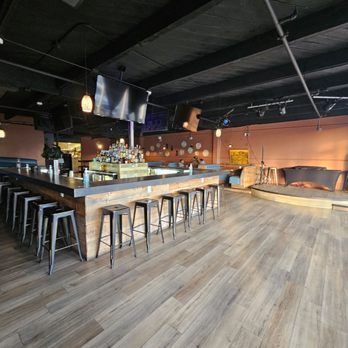
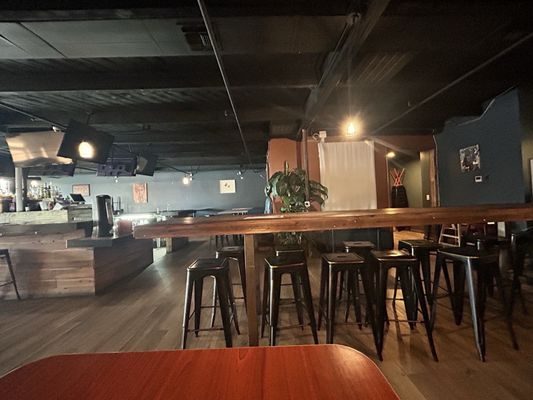
California's Department of Alcoholic Beverage Control recorded an active license for Palace Bar & Grill on Sept. 14. The restaurant, at 2645 El Camino Ave. in Sacramento's Arden-Arcade neighborhood, calls itself the city's first African international restaurant. The license class, type 47, lets a restaurant sell beer, wine, and spirits with food service.

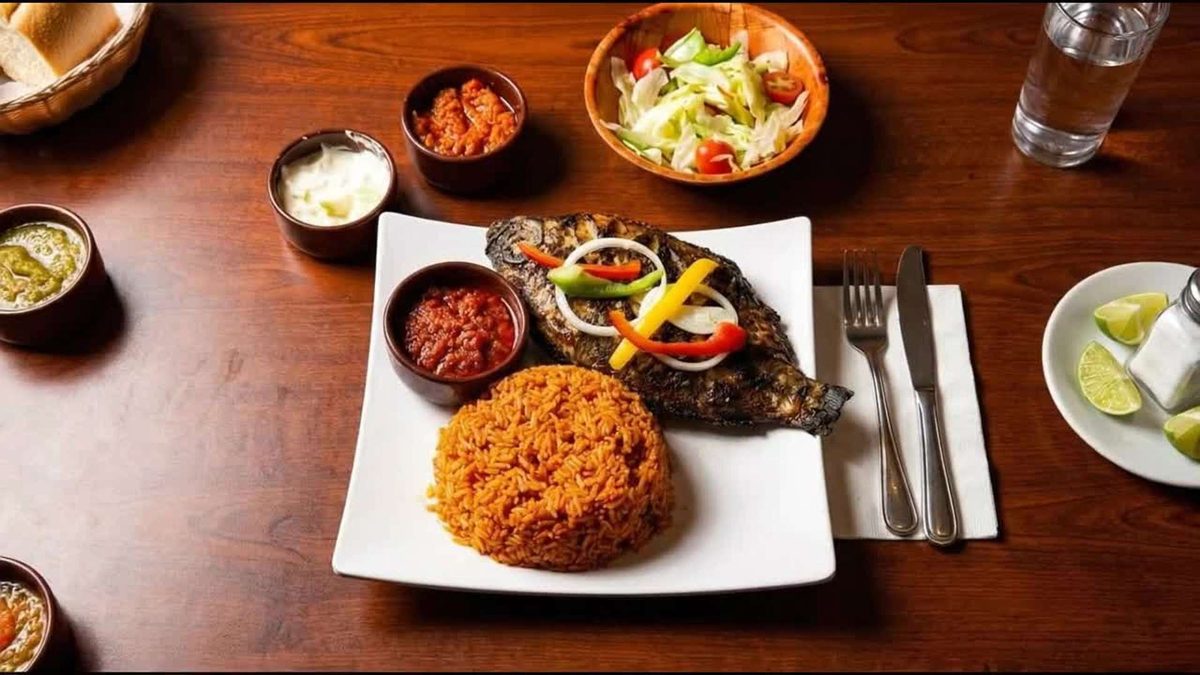
The permit clears a major hurdle for the eatery, which touts jollof rice and stewed meats from a chef who runs restaurants in Ghana. It doesn't confirm the restaurant is open. An ABC license is one step in a process that also includes local permits and a building ready to host diners.

Why it matters

A restaurant can't serve alcohol without this license, so the approval puts Palace one step from opening Sacramento's first African international restaurant.

Questions about this story

Free account needed to ask — your question is kept and asked for you right after sign-up. Answers are public.

No questions yet — be the first to ask.

Key Indicators

Type 47
California ABC license class
On-sale general eating establishment: beer, wine, and spirits with meals.
2026-09-14
License active date
ABC lists the license as active as of Sept. 14, 2026.

Voices

Curated perspectives — historical figures and your fellow readers.

Ever wondered what historical figures would say about today's headlines?

Sign up to generate historical perspectives on this story.

Organizations Involved

Timeline

1 event Latest: 2 days ago
  1. California ABC records Palace Bar & Grill liquor license

    Latest License

    The Department of Alcoholic Beverage Control lists an active type 47 on-sale license for the restaurant at 2645 El Camino Ave.

Scenarios

1

Palace Bar & Grill opens to customers

Likely Resolves by Q2 2027

Discussed by: The restaurant's own marketing and directory listings on MapQuest and AfriTable suggest an imminent opening.

The restaurant completes its remaining local permits and fit-out, then begins regular service. With the ABC license active, the only missing pieces are operational readiness and a public launch. Listings already advertise the menu and address.

2

License stays dormant; restaurant never opens

Unlikely Resolves by End of 2027

Discussed by: This is a common end for small restaurants that secure a license but stall on construction, permits, or financing.

The ABC license remains recorded as active, but Palace never begins service. Listings go stale, the address stays quiet, and the license eventually lapses or is canceled for non-use.

3

Palace opens, then closes within a year

Possible Resolves by Q3 2028

Discussed by: Industry data routinely shows high first-year failure rates for new independent restaurants.

Palace launches and draws early customers, but sales trail costs. The restaurant closes, and its ABC license is surrendered or revoked. The space reverts to a different business.

Historical Context

2 moments from history that rhyme with this story — and how they unfolded.

2013-2016

The #JollofWar (2013-2016)

Ghanaians and Nigerians sparred on Twitter over whose jollof rice was superior. The hashtag went global, drawing BBC and international coverage and turning a regional dish into a cultural conversation.

Then

The rivalry boosted interest in West African cooking worldwide and put jollof on the menu of restaurants far from West Africa.

Now

West African food gained a popular audience in Western cities, easing the path for newer restaurants to find curious customers.

Why this matters now

Palace leads with jollof rice as its signature dish. The dish already has name recognition, which lowers the marketing hurdle for a first-time audience in Sacramento.

1970s-1980s

Washington D.C.'s Little Ethiopia (late 1970s-1980s)

Ethiopian immigrants fleeing conflict settled along Washington D.C.'s 9th Street corridor in Adams Morgan. They opened restaurants serving injera and stews, eventually numbering dozens of eateries in a strip known as Little Ethiopia.

Then

The restaurants gave newcomers income and a community anchor, and gave D.C. residents their first taste of Ethiopian food.

Now

Ethiopian cuisine became a fixture of D.C.'s dining scene, and the corridor drew national attention as a model of diaspora entrepreneurship.

Why this matters now

Palace is trying a similar move in Sacramento: using food as a cultural entry point and a business base, with jollof and stews standing in for injera.

Sources

(5)