
Pull to refresh
Logo
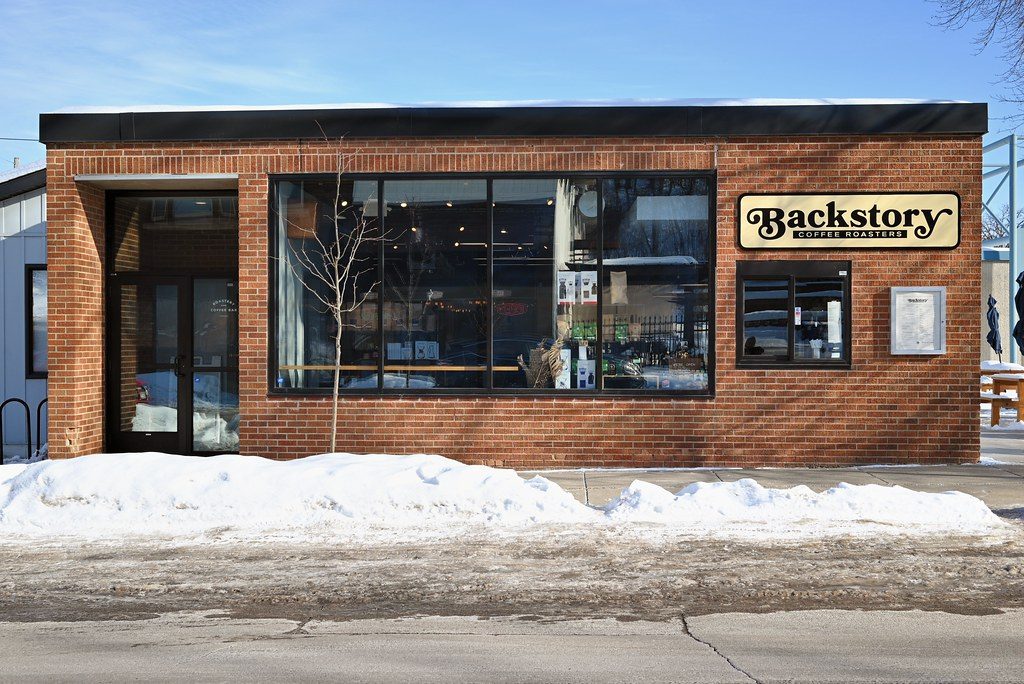
Mobile food handler license on record at Backstory Coffee Roasters' St. Paul base

Mobile food handler license on record at Backstory Coffee Roasters' St. Paul base

New Capabilities Saint Paul, MN local

The permit at 432 Wabasha St S follows the roastery's growth from a one-person operation to three Twin Cities cafes.

Today: Food handler mobile license appears in state records

Overview

Updated 1 hour ago

Backstory Coffee Roasters, the St. Paul roastery that grew from a one-person operation in 2014 to three Twin Cities cafes, now has a Minnesota food handler license on record at its original 432 Wabasha St S location. The record, first visible September 25, 2026, lists a "food handler mobile" permit, the category covering mobile food service.

A license on record is one approval among several needed to run food service; it doesn't confirm the business opened anything new. Paired with Backstory's track record of adding locations every couple of years, the permit hints the roastery may sell coffee beyond its cafes, at events, markets, or from a mobile unit.

Why it matters

A mobile food permit could let Backstory sell coffee beyond its three cafes, adding events and markets to its St. Paul operations.

Questions about this story

Free account needed to ask — your question is kept and asked for you right after sign-up. Answers are public.

No questions yet — be the first to ask.

Key Indicators

3
Retail cafe locations
Backstory runs three Twin Cities coffee bars as of 2026.
12
Years in business
Founded in 2014 as Bootstrap Coffee Roasters.
1
Food handler license on record
Mobile food handler permit listed for the 432 Wabasha St S roastery.

Voices

Curated perspectives — historical figures and your fellow readers.

Ever wondered what historical figures would say about today's headlines?

Sign up to generate historical perspectives on this story.

People Involved

Organizations Involved

Timeline

May 2014 September 2026

5 events Latest: Today
Tap a bar to jump to that date
  1. Food handler mobile license appears in state records

    Today Licensing

    Minnesota records list a mobile food handler permit at Backstory's 432 Wabasha St S roastery.

  2. Third cafe opens

    Expansion

    Backstory opens a third coffee bar in the Twin Cities with sandwiches and grab-and-go items.

  3. Rebrand and second location

    Rebranding

    Company changes name to Backstory Coffee Roasters and opens a second cafe in Minneapolis' North Loop.

  4. First coffee bar opens at 432 Wabasha St S

    Expansion

    Roastery opens its first retail cafe at the St. Paul West Side location, sharing space with production.

  5. Bootstrap Coffee Roasters founded

    Founding

    Svejda starts the roastery in a 486-square-foot St. Paul production space, selling wholesale and online.

Scenarios

1

Backstory launches a mobile coffee operation

Possible Resolves by Q2 2027

Discussed by: No public analysts track this; the scenario comes from the mobile permit category in state records.

Backstory uses the food handler mobile permit to run a food truck, cart, or event-based coffee service out of its St. Paul roastery. That would create a fourth sales channel beyond its three fixed cafes, reaching farmers markets and events.

2

License is administrative, operations stay the same

Likely Resolves by Q2 2027

Discussed by: The default reading for a small, long-running business; the permit may be a renewal or reclassification.

The mobile food handler permit is a routine filing, and Backstory continues running its three cafes without adding mobile service. This is the most conservative interpretation of a single license record.

3

Backstory opens a fourth permanent cafe

Possible Resolves by End of 2028

Discussed by: Company's stated history of adding a location roughly every two years (2019, 2022, 2024).

Following its established cadence, Backstory announces another Twin Cities cafe, expanding its retail footprint beyond the current three locations. The mobile license would be incidental to that growth.

Historical Context

3 moments from history that rhyme with this story — and how they unfolded.

1999-2015

Stumptown Coffee Roasters (1999-2015)

Duane Sorenson began roasting coffee in a Portland garage, then added cafes and a wholesale business that grew into a national brand. By 2015 the company was one of the best-known third-wave roasters in the U.S.

Then

JAB Holding, the German investment firm, bought Stumptown in 2015.

Now

The sale became a model for how independent roasters can scale, then get acquired.

Why this matters now

Backstory follows the same early pattern, wholesale plus retail growth from a small roastery, showing one path these companies take.

2002-2017

Blue Bottle Coffee (2002-2017)

James Freeman sold coffee from a single cart at an Oakland farmers market, then opened cafes and built a subscription and wholesale business. By 2017 he had a chain spanning multiple states.

Then

Nestlé acquired Blue Bottle in 2017, valuing the company at hundreds of millions of dollars.

Now

The purchase signaled big food companies' interest in premium coffee brands.

Why this matters now

Blue Bottle's cart-to-chain path shows how a tiny coffee operation can reach much larger scale, context for Backstory's gradual expansions.

2010-2019

Twin Cities food truck boom (2010s)

Minneapolis and St. Paul loosened mobile food vendor rules in the early 2010s, and food trucks multiplied across both cities. Many were run by established restaurants and cafes seeking a second sales channel.

Then

Mobile units became a common way for Twin Cities food businesses to reach events and office districts.

Now

The trend normalized permits like mobile food handler licenses for local eateries and roasters.

Why this matters now

The same permit category Backstory now holds powers this existing ecosystem of mobile food vendors.

Sources

(5)

More from Saint Paul, MN

Openings, permits and council decisions in Saint Paul, MN, in your inbox every Monday.