



Pull to refresh
Logo
Utah lawmakers choose new leadership after election shakeup

Utah lawmakers choose new leadership after election shakeup

Rule Changes Salt Lake City, UT local

Senate President Evan Vickers takes over as House Republicans lose their supermajority

Overview

Updated 1 hour ago

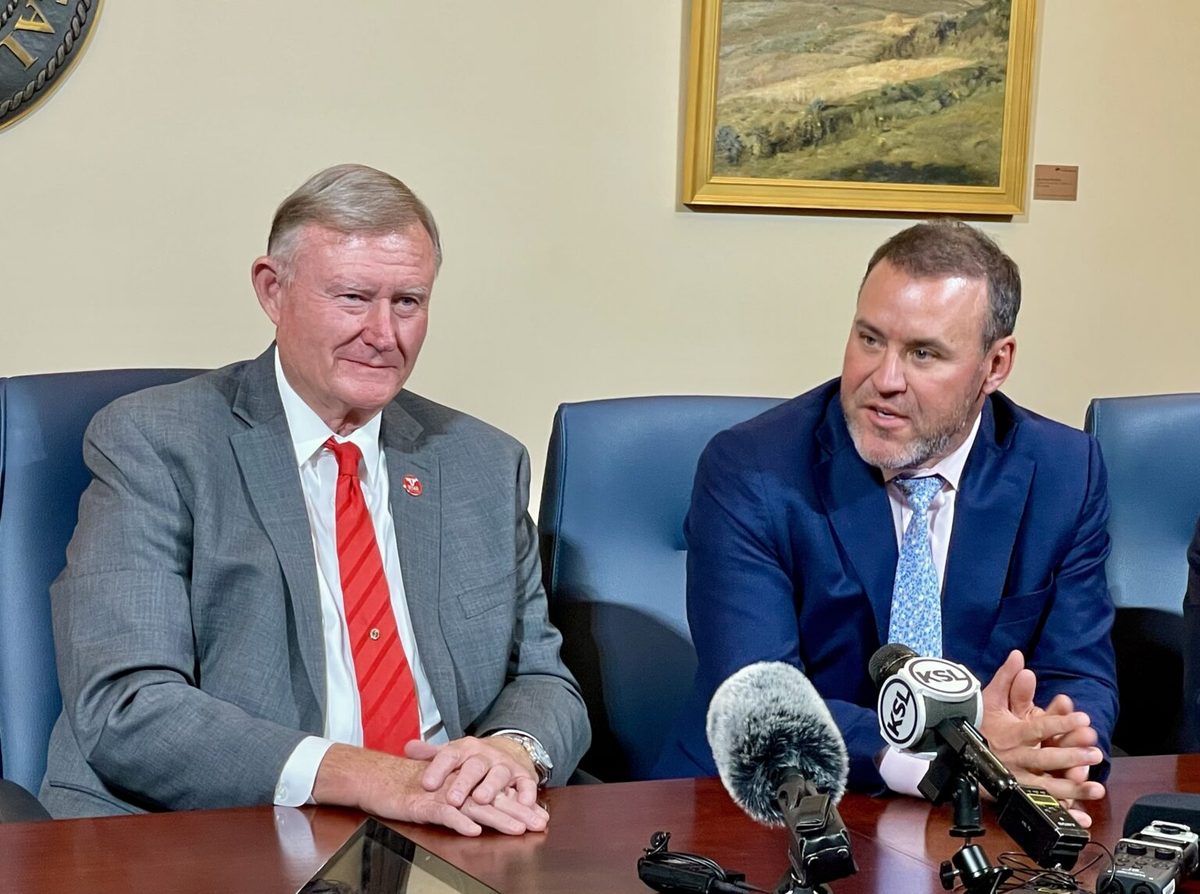
On Nov. 6, Utah lawmakers chose new leaders for the 67th Legislature. Senate Republicans picked Evan Vickers as Senate president after the previous president lost his primary and the presumed successor lost his general election.

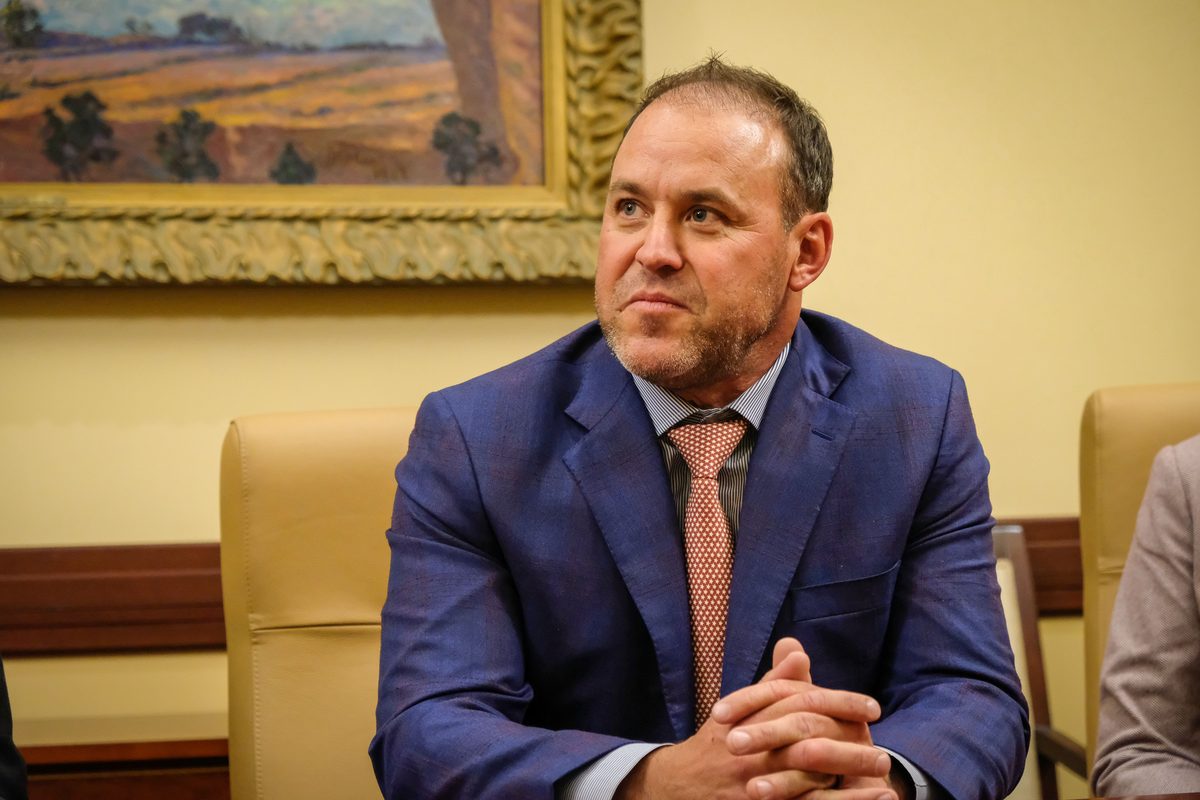
House Republicans kept Mike Schultz as speaker, but they did so after losing their two-thirds supermajority. The leadership votes set the agenda for a session where Republicans still control both chambers with a narrower House margin.

Why it matters

Utah's new leaders will set the agenda for a session where House Republicans no longer hold a two-thirds supermajority.

Last Monday's email for Salt Lake City, UT

Sent Nov 2. It carried:

Get next Monday's: one short email a week. Free. Unsubscribe in one click.

Questions about this story

Free account needed to ask — your question is kept and asked for you right after sign-up. Answers are public.

No questions yet — be the first to ask.

Key Indicators

16
House seats Republicans lost
Approximate loss cited in current election results by KSL.
Lost
House Republican two-thirds supermajority
Republicans surrendered the threshold after losing about 16 seats.
67
Legislature seated by leadership votes
Caucuses chose leaders for the 67th Legislature on Nov. 6, 2026.
Nov. 16, 2026
House Democratic leadership vote
Expected date for House Democrats to choose their team.
Jan. 19, 2027
2027 General Session start
The new leadership will preside when the session opens.

Voices

Curated perspectives — historical figures and your fellow readers.

Sign up to generate historical perspectives on this story.

People Involved

Organizations Involved

Timeline

2026 November 2026

3 events Latest: Yesterday
  1. Caucuses choose new leadership for 67th Legislature

    Latest Leadership

    Evan Vickers becomes Senate president; Mike Schultz remains House speaker; Silvia Catten replaces Kathleen Riebe.

  2. Cullimore upset; House GOP loses supermajority

    Election

    Kirk Cullimore loses to Shana Anderson; House Republicans lose about 16 seats.

  3. Adams loses Republican primary

    Election

    Senate President J. Stuart Adams loses his primary, opening a leadership race.

Scenarios

1

Vickers remains Senate president through the 2027 session

Likely Resolves by Mar 12, 2027

Discussed by: KSL and FOX 13 reporting on the caucus vote

Vickers won the Senate Republican caucus vote and faces no announced challenge. If he keeps the post, he will preside over the 2027 General Session and set the Senate agenda.

2

Senate Democrats formally remove Riebe from caucus

Possible Resolves by Jan 19, 2027

Discussed by: FOX 13 and KSL reporting on the Senate investigation

Senate Democrats had sought to expel Kathleen Riebe and called for her resignation after a Senate investigation into workplace conduct. They replaced her as caucus manager on Nov. 6. A formal removal from the caucus would complete that break.

3

Medical cannabis bill advances under Vickers

Possible Resolves by Mar 12, 2027

Discussed by: Utah Patients Coalition comments to FOX 13

Vickers has overseen medical cannabis legislation with Luz Escamilla and is a pharmacist. His new role could give the issue more priority, but passage still requires both chambers and the governor.

Historical Context

2 moments from history that rhyme with this story — and how they unfolded.

November 2018

2018 midterm elections

Democrats won control of the U.S. House and made gains in state legislatures. The wave election forced both parties to rethink leadership and messaging.

Then

Democrats elected Nancy Pelosi as speaker; Republicans adjusted state-level strategies.

Now

The election showed how midterm waves can change governing agendas even when the presidency stays in the same party.

Why this matters now

Utah's 2026 election produced a smaller Republican majority, prompting caucus leadership changes similar to how wave elections force parties to respond.

November 2010

2010 state legislative wave

Republicans won a record number of state legislative seats and flipped chambers across the country. New majorities took control ahead of redistricting.

Then

Republican leaders set agendas in many states and shaped congressional maps.

Now

The wave demonstrated how state legislative supermajorities can be won and lost in a single election.

Why this matters now

Utah House Republicans lost their two-thirds supermajority in 2026, a reminder that supermajorities are not permanent.

Sources

(4)