
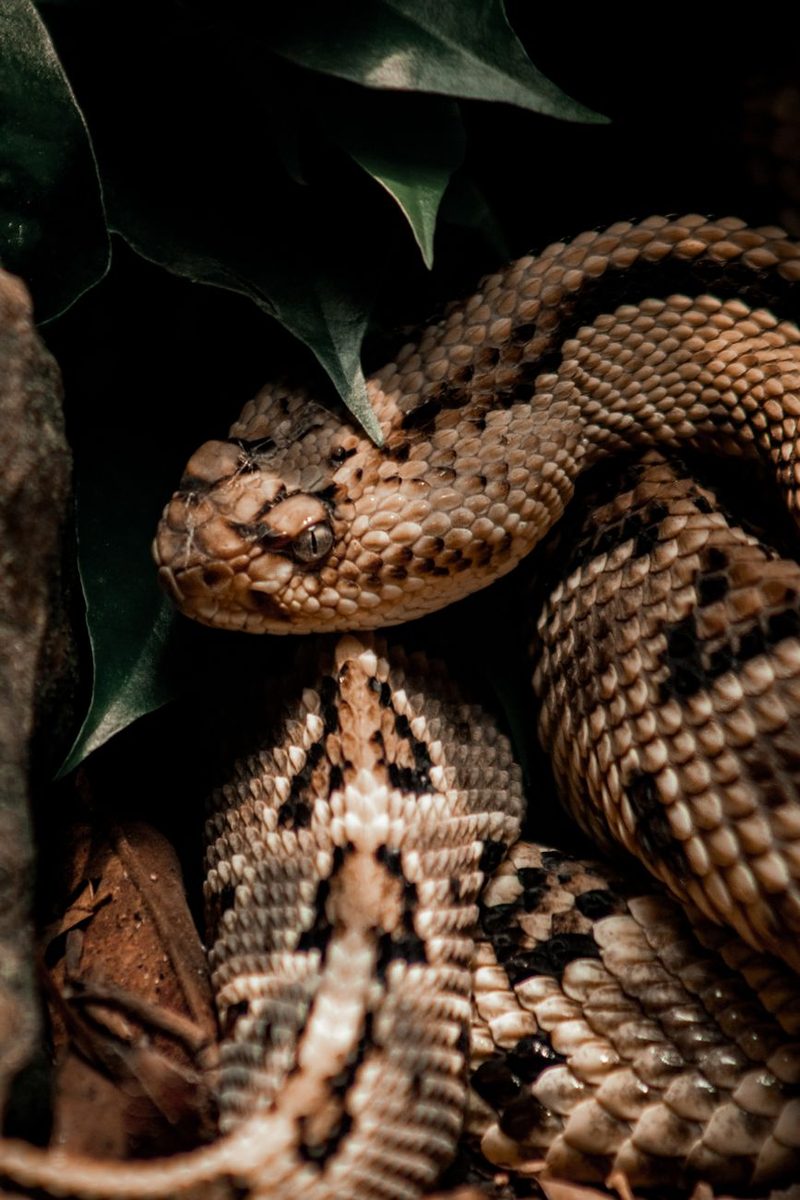
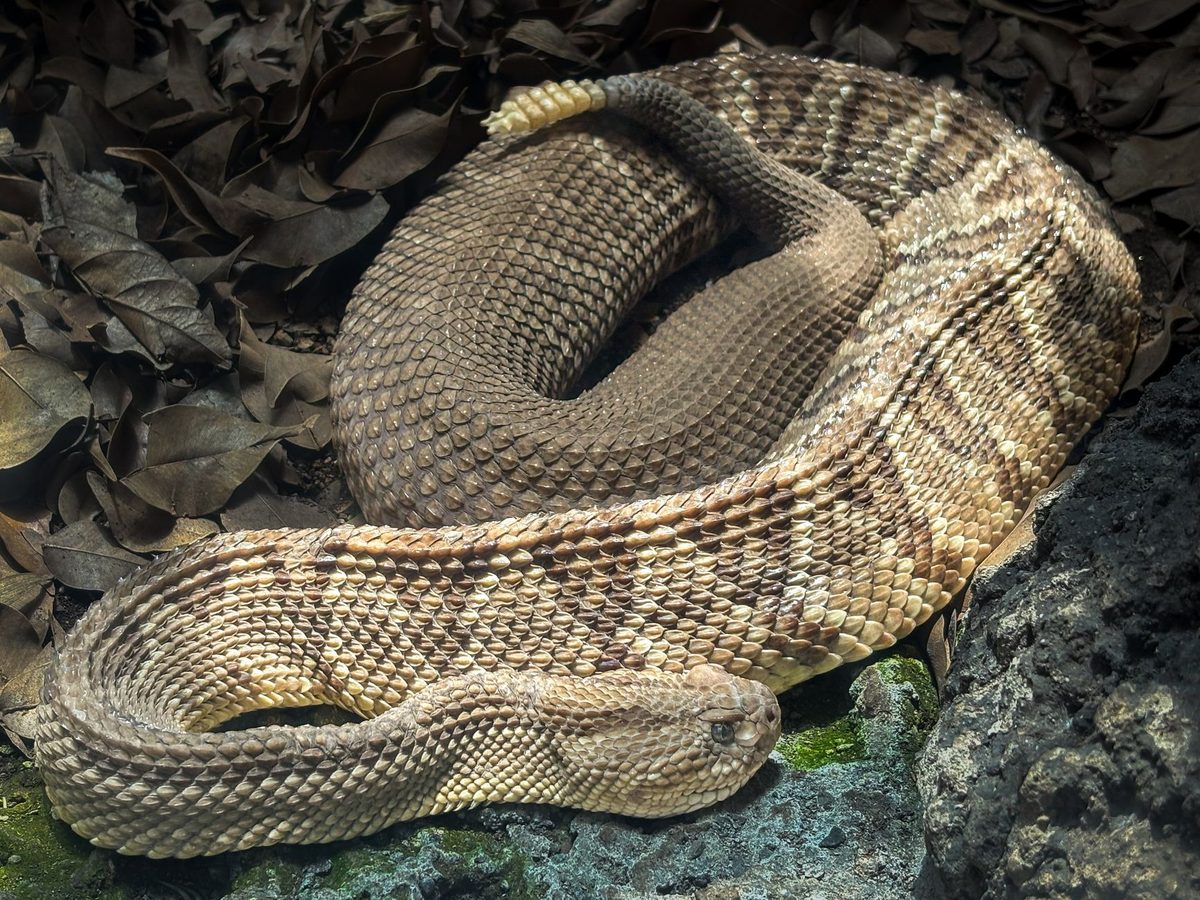
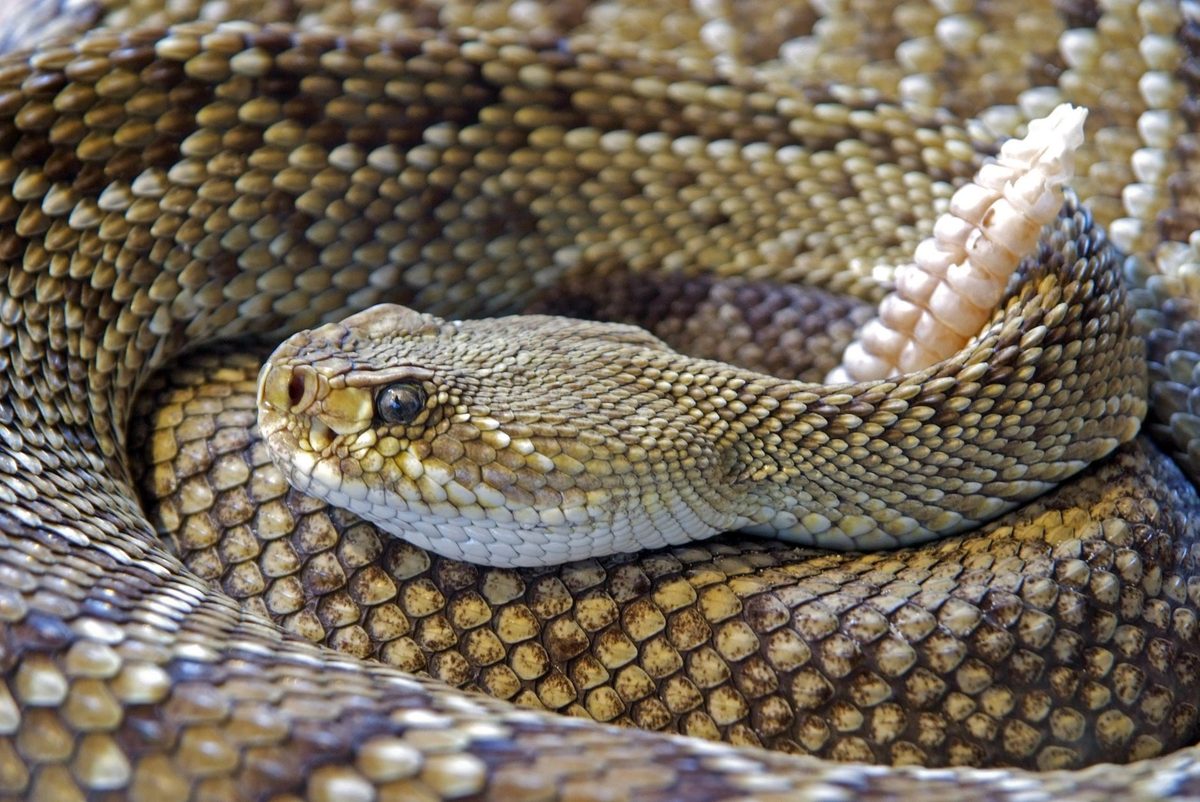
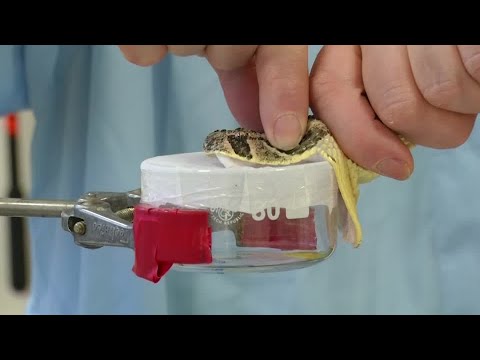

Rattlesnake blood proteins outmatch standard antivenom in lab tests
New CapabilitiesNaturally evolved toxin blockers neutralized viper venom from multiple species with roughly 10 times the potency of current treatment
Today: ScienceDaily reports the findingNew here? Follow stories to track developments over time. Create a free account to get updates when stories you care about change.
Overview
Updated 1 hour agoSnakebites kill 80,000 to 140,000 people a year, and the standard treatment has barely changed in 130 years. Researchers found that proteins naturally present in rattlesnake blood neutralize venom from multiple viper species — about 10 times more potently than the leading commercial antivenom.
These proteins, called FETUAs, evolved from an ancestral blood protein called Fetuin-A to shield snakes from their own venom. The finding, published in the Proceedings of the National Academy of Sciences, points toward antivenoms that are cheaper, safer, and broader-acting than today's approach of immunizing horses and sheep with venom and harvesting their antibodies.
Why it matters
Cheaper, lab-produced antivenoms could save tens of thousands of lives in rural regions where current treatments are too costly or unavailable.
Questions about this story
Free account needed to ask — your question is kept and asked for you right after sign-up. Answers are public.
No questions yet — be the first to ask.
Key Indicators
Voices
Curated perspectives — historical figures and your fellow readers.
Play
Exploring all sides of a story is often best achieved with Play.
Higher or Lower
A number from this story, against one from elsewhere in the news — guess which is bigger, then keep the chain going. 5 rounds, 3 strikes; a miss costs a strike and resets your streak.
Keyboard: ↓/L lower · ↑/H higher
0 points — sign up to put that on the leaderboard.
Connections
Sixteen names from the news. Find the four hidden groups of four. Four mistakes max.
Sign up to keep a daily streak — a new puzzle lands every day.
Exit debate?
Your progress in this debate will be lost.
- 1 Two AI personas square off on this story.
- 2 You predict who'll win each round — correct picks earn XP.
- 3 One crossfire question is yours to fire. Pick it carefully.
Couldn't generate a topic
Select Your Champions
Choose one persona for each side of the debate
DEBATE TOPIC
Choose personas with different perspectives for a more dynamic debate.
Select debater for this side:
No debate personas available right now.
Select debater for this side:
No debate personas available right now.
Who's Got This Round?
Make your prediction before the referee scores
The referee scores both sides on
Round Results
Set the Crossfire
Pick the question both personas must answer in the final round
Debate Oracle! You called every round!
Sharp Instincts! You know your debaters!
The Coin Flip Strategist! Perfectly balanced!
The Contrarian! Bold predictions!
Inverse Genius! Try betting the opposite next time!
XP Breakdown
Prediction History
People Involved
Organizations Involved
Public research university in College Park, Maryland, where Carroll's lab led the FETUA protein research.
Research center at Texas A&M University-Kingsville that maintains venom and antivenom collections.
Timeline
January 2022 September 2026
-
ScienceDaily reports the finding
Today MediaScienceDaily featured the discovery in its science news roundup, drawing renewed attention to the potential for a new class of nature-inspired antivenoms.
-
Study published in PNAS
PublicationPeer-reviewed results appeared in the Proceedings of the National Academy of Sciences, showing FETUA combinations are about 10 times more potent than sheep-derived antivenom and protect against multiple viper species.
-
Preprint posted on bioRxiv
PublicationThe FETUA combination study was posted as a preprint, describing how four rattlesnake metalloproteinase inhibitors work together to neutralize viper venom lethality.
-
FETUA-3 protein identified
DiscoveryCarroll's lab found FETUA-3, a single protein in western diamondback rattlesnake blood that blocks many metalloproteinase toxins in venom.
Historical Context
2 moments from history that rhyme with this story — and how they unfolded.
Calmette's first antivenom (1894)
French physician Albert Calmette developed the first antivenom against cobra venom at the Pasteur Institute in Saigon. He immunized horses with increasing doses of venom and collected antibodies from their blood.
The horse-based approach spread worldwide and became the dominant method of antivenom production.
More than 130 years later, most antivenoms are still made by immunizing large animals and harvesting antibodies.
This study's recombinant protein approach departs from the century-old animal immunization model, potentially offering a cheaper and safer alternative.
Recombinant human insulin (1982)
Genentech scientists cloned the human insulin gene into E. coli bacteria in 1978. The first recombinant human insulin product, Humulin, won FDA approval in 1982, replacing insulin extracted from pigs and cows.
Patients gained a purer, more consistent insulin supply. Production scaled without animal dependence.
Recombinant production became the standard for therapeutic proteins, lowering costs and improving safety.
FETUA-based antivenoms follow the same trajectory: replacing animal-derived products with lab-produced proteins that can be manufactured at scale.
