



Pull to refresh
Logo
Simtra opens Bloomington sterile injectable expansion, adding syringe and vial lines

Simtra opens Bloomington sterile injectable expansion, adding syringe and vial lines

Built World

Building H brings two high-speed prefilled syringe lines online now, with a vial line and three freeze-dryers due in 2027, as the company targets 18 filling lines across the US and Europe

Overview

Updated 1 hour ago

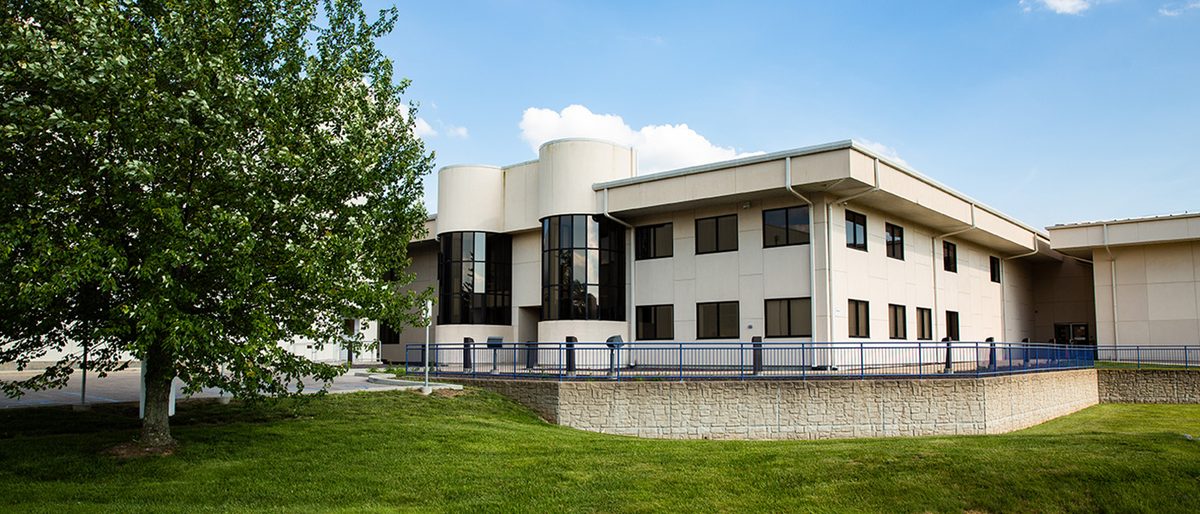
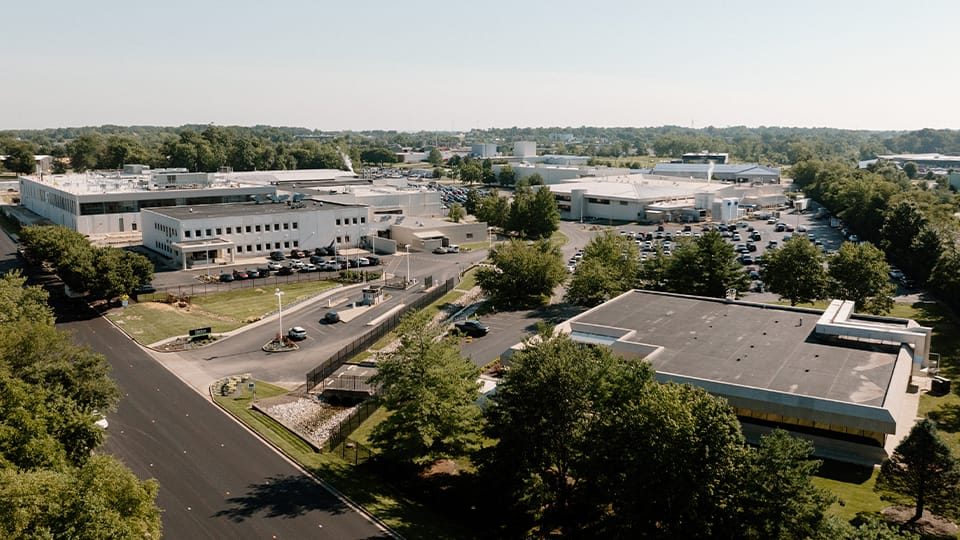
Simtra BioPharma Solutions opened Building H on its Bloomington, Indiana campus on Nov. 9, 2026. The 153,000-square-foot building cost more than $250 million and holds two high-speed prefilled syringe lines, a vial line and three commercial-scale freeze-dryers.

The syringe lines can fill up to 700 syringes a minute. The vial line and its three lyophilizers are due to start in 2027. Simtra says its network will grow from 11 filling lines to 18 by 2027, with a matching expansion at its Halle, Germany site.

Why it matters

Contract manufacturers fill most injectable drugs. Adding capacity in two regions makes supply less dependent on one plant staying online.

Questions about this story

Free account needed to ask — your question is kept and asked for you right after sign-up. Answers are public.

No questions yet — be the first to ask.

Key Indicators

$250M+
Building H investment
Company figure for the Bloomington main-campus expansion.
18
Filling lines targeted by 2027
Simtra plans to grow its US and European network from 11 lines to 18.
700/min
Syringe filling speed per new line
Rated speed for the two Bausch + Ströbel lines with SKAN isolators, at 100% in-process inspection.
153,000
Square feet in Building H
Includes 28,000 square feet of classified production space.
3
Commercial lyophilizers installed
LYOMAX 30 units with ice-fog-controlled nucleation, due to run with the vial line in 2027.

Voices

Curated perspectives — historical figures and your fellow readers.

Sign up to generate historical perspectives on this story.

People Involved

Organizations Involved

Timeline

2023 November 2026

3 events Latest: Yesterday
  1. Building H opens in Bloomington

    Latest Opening

    Governor Mike Braun and Mayor Kerry Thomson attend the ribbon-cutting. Two syringe lines are ready; the vial line and lyophilizers follow in 2027.

  2. Halle site expands cold-storage warehousing

    Expansion

    Simtra added refrigerated warehouse space in Germany for temperature-sensitive injectables, a decision it says it made in 2025.

  3. Simtra takes over Bloomington and Halle sites

    Corporate

    Both plants were already running when Simtra acquired them. The company is marking its third year operating them.

Scenarios

1

Vial line starts commercial filling in 2027

Likely Resolves by End of 2027

Discussed by: Simtra's own equipment disclosures and trade-press coverage of the launch

The IMA vial line and its three LYOMAX 30 lyophilizers are listed for 2027, a year after the syringe lines. If commissioning and validation go to plan, Building H runs both product formats and the site can take on lyophilized work that currently goes elsewhere.

2

Simtra reaches 18 filling lines on schedule

Possible Resolves by Q1 2028

Discussed by: Company statements; pharmaceutical manufacturing trade press

The company's public target is 18 filling lines across its network by 2027, up from 11. Hitting it depends on Bloomington and Halle both qualifying new lines, a process that commonly slips when regulators or clients require extra validation batches.

3

Park campus high-potency line runs commercial batches

Possible Resolves by Q2 2028

Discussed by: Company executives in trade-press interviews; local manufacturing coverage

Simtra bought an adjacent 300,000-square-foot building on 65 acres for a first high-potency filling line in Bloomington, drawing on experience from Halle. A commercial batch there would move the company into a segment where far fewer contractors can operate.

Historical Context

3 moments from history that rhyme with this story — and how they unfolded.

September 2017 - 2018

Hurricane Maria and the IV saline shortage (2017)

The storm knocked out power and damaged pharmaceutical plants in Puerto Rico, including sites making sterile intravenous solutions. US hospitals rationed saline bags for months and importers were brought in to fill the gap.

Then

Hospitals postponed elective procedures and stretched supplies of basic sterile fluids.

Now

Regulators and buyers began pressing for manufacturing spread across more locations rather than concentrated on one island or one plant.

Why this matters now

It is the clearest recent example of why drugmakers now pay for filling capacity in more than one region, which is the pitch behind Simtra's US and German plants.

February - December 2024

Novo Holdings agrees to buy Catalent (2024)

The parent of drugmaker Novo Nordisk struck a deal for Catalent, a large contract manufacturer, with three Catalent fill-finish sites slated to go to Novo Nordisk. The point was capacity for injectable weight-loss and diabetes medicines, not Catalent's other business.

Then

A drugmaker bought part of its own supply chain rather than waiting in line for a contractor.

Now

Fill-finish capacity became a strategic asset that companies were willing to purchase outright.

Why this matters now

Simtra's customers face the same arithmetic: either own the lines or lock up long-term contracts at contractors adding capacity.

2020-2021

COVID-19 vaccine fill-finish buildout (2020-2021)

Governments and manufacturers poured money into filling plants to bottle billions of vaccine doses. Some of that capacity ran flat out for a year and then had little to do; one high-profile US plant had to halt production after cross-contamination ruined doses.

Then

Doses were delayed and equipment sat idle once the emergency phase passed.

Now

Contract manufacturers learned that new lines carry demand risk as well as revenue, and that qualification problems are expensive.

Why this matters now

Simtra is adding capacity partly on the expectation that obesity and diabetes injections keep growing. If that demand flattens, the same idle-line problem returns.

Sources

(9)