

Pull to refresh
Logo
UK regulator finds competition concerns in two major mergers

UK regulator finds competition concerns in two major mergers

Money Moves

McCormick's purchase of Unilever's food business and the AkzoNobel-Axalta coatings merger have until 18 November to offer remedies or face in-depth probes.

Overview

Updated 1 hour ago

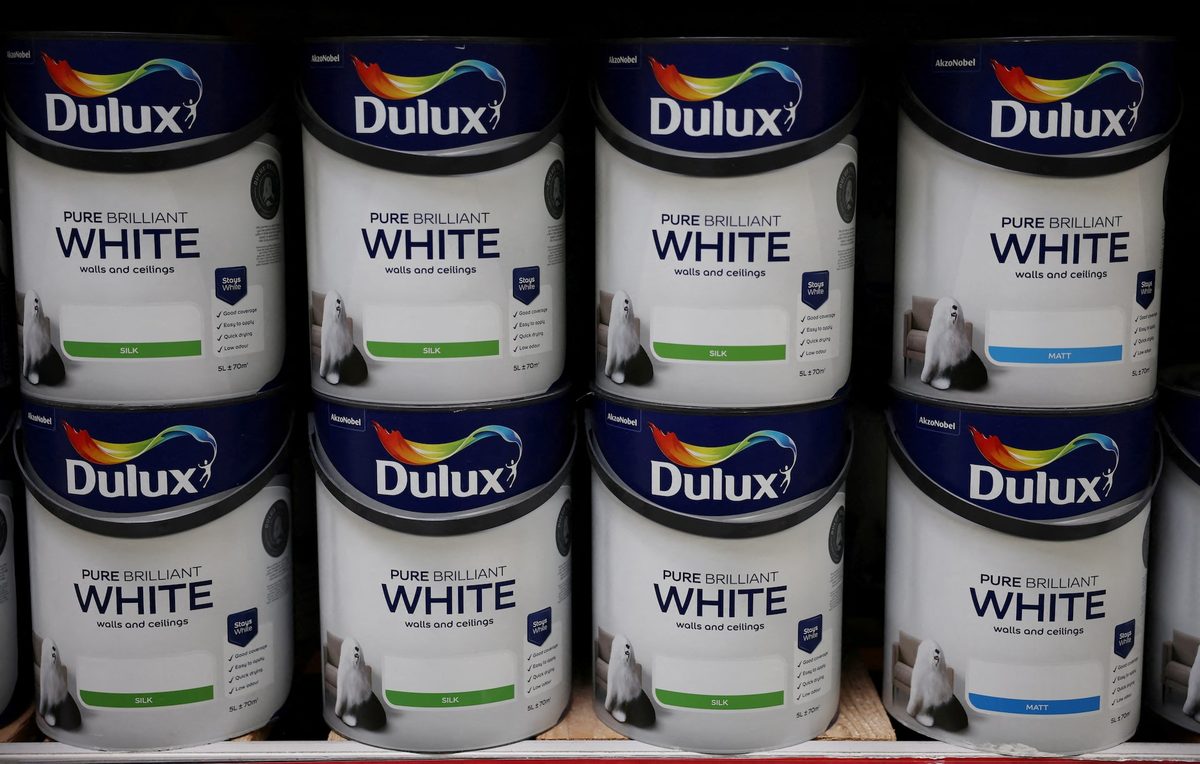
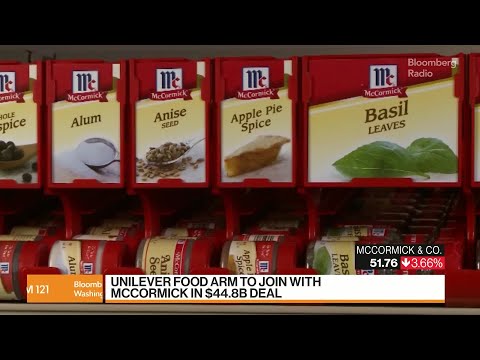
On 11 November 2026, Britain's competition regulator said two separate multibillion-dollar mergers could each substantially weaken competition in UK markets. One would combine the two largest branded suppliers of dry cooking mixes and dry sauces; the other would create the clear leader in vehicle refinish coatings used by bodyshops.

Both pairs of companies have until 18 November to offer remedies the Competition and Markets Authority (CMA) will accept. If they don't, each deal faces an in-depth phase 2 investigation, which can add months and, in past cases, end the transaction.

Why it matters

If the CMA demands divestments, brands on British supermarket shelves and in bodyshops could change hands, or the deals could stall.

Questions about this story

Free account needed to ask — your question is kept and asked for you right after sign-up. Answers are public.

No questions yet — be the first to ask.

Key Indicators

2
Mergers flagged on the same day
The CMA issued phase 1 decisions on McCormick/Unilever Foods and AkzoNobel/Axalta on 11 November 2026.
18 Nov 2026
Deadline to offer remedies
Parties must offer undertakings in lieu of a reference or the CMA will refer the deal to phase 2.
40–50%
Combined UK share in vehicle refinish coatings
The CMA's estimate for the merged AkzoNobel-Axalta entity, which it calls the clear UK market leader.
0
Competition concerns found in mustard
The CMA treated English, French and American style mustards as separate markets with no overlap between the parties.

Voices

Curated perspectives — historical figures and your fellow readers.

Sign up to generate historical perspectives on this story.

People Involved

Organizations Involved

Timeline

2 events Latest: Yesterday
  1. CMA flags McCormick-Unilever foods deal

    Latest Regulatory decision

    Phase 1 review finds a realistic prospect of competition loss in dry ingredient mixes and dry sauces. No concerns found in mustard.

  2. CMA flags AkzoNobel-Axalta coatings merger

    Regulatory decision

    Phase 1 review finds competition concerns in vehicle refinish coatings, where the merged firm would hold 40–50% of UK supply.

Scenarios

1

Both mergers clear phase 1 with divestment remedies

Possible Resolves by Feb 28, 2027

Discussed by: Companies and their advisers, who have signalled remedy proposals

McCormick and Unilever offer to sell overlapping dry-mix or dry-sauce brands, and AkzoNobel and Axalta offer the same vehicle refinish remedy they gave the European Commission. The CMA accepts both packages as undertakings in lieu of a reference, and neither deal goes to phase 2.

2

CMA refers both deals to in-depth phase 2 probes

Likely Resolves by End of 2026

Discussed by: Competition lawyers and trade press covering the 18 November deadline

Neither party offers remedies the CMA considers sufficient, or offers none at all. The CMA refers both mergers under section 33 of the Enterprise Act 2002, opening phase 2 investigations that typically run for months and can end in prohibition.

3

One or both deals are abandoned rather than accept divestments

Unlikely Resolves by Q2 2027

Discussed by: Merger arbitrage analysts and deal commentators

The required divestments prove too costly or strategically damaging, and one or both pairs walk away. This is the outcome that followed the CMA's phase 2 block of the Sainsbury's-Asda grocery merger in 2019.

Historical Context

3 moments from history that rhyme with this story — and how they unfolded.

April 2019

Sainsbury's–Asda merger blocked (2019)

The CMA blocked the proposed merger of two of Britain's largest supermarket chains after a phase 2 investigation. It found the deal would reduce competition in groceries and at the checkout, and that remedies short of blocking would not work.

Then

Sainsbury's and Asda abandoned the deal.

Now

The case became the benchmark for how the CMA treats large grocery combinations and how a phase 2 reference can end a transaction outright.

Why this matters now

It shows what happens when a UK merger review moves past phase 1 and the parties cannot agree remedies.

April–October 2023

Microsoft–Activision Blizzard (2023)

The CMA blocked Microsoft's $69 billion purchase of Activision Blizzard in April 2023 over cloud gaming. Microsoft restructured the deal, agreeing to sell cloud streaming rights to Ubisoft, and the CMA cleared it in October 2023.

Then

The deal closed after a restructured remedy.

Now

It established that a phase 2 block is not always final if the parties are willing to change the deal's shape.

Why this matters now

Both current mergers could follow the same path: a phase 2 reference followed by a reworked remedy rather than outright failure.

March–June 2017

PPG's pursuit of AkzoNobel (2017)

US coatings maker PPG made three unsolicited bids for AkzoNobel, the last valuing it at about €26.9 billion. AkzoNobel's board rejected all of them and instead spun off its specialty chemicals division.

Then

PPG withdrew in June 2017 without a deal.

Now

AkzoNobel remained independent and restructured, and the episode became a reference point for European coatings consolidation.

Why this matters now

AkzoNobel has been on the defensive in a cross-border coatings deal before, and its current merger with Axalta is the next chapter in that consolidation.

Sources

(9)