


Pull to refresh
Logo
Daily Brief
Following
Why Ranks Sign Up
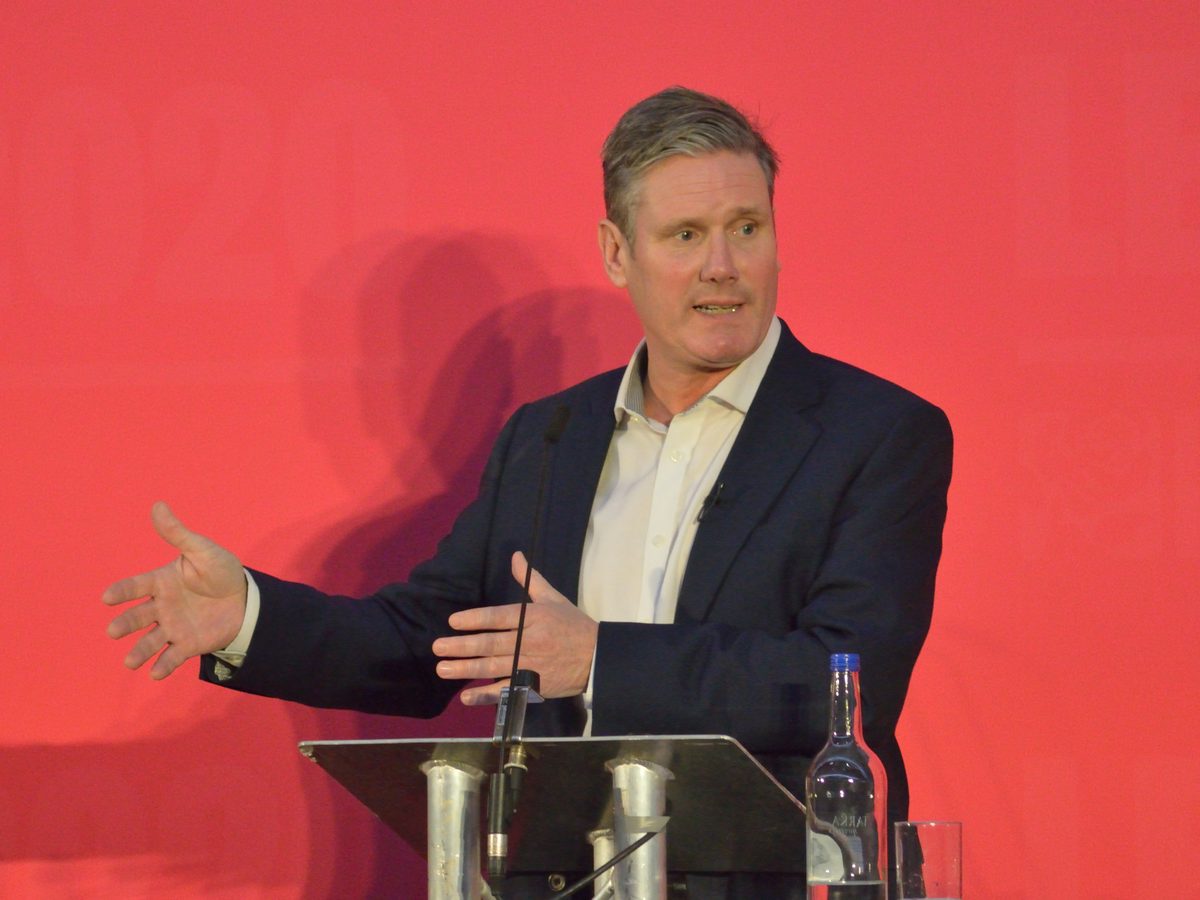
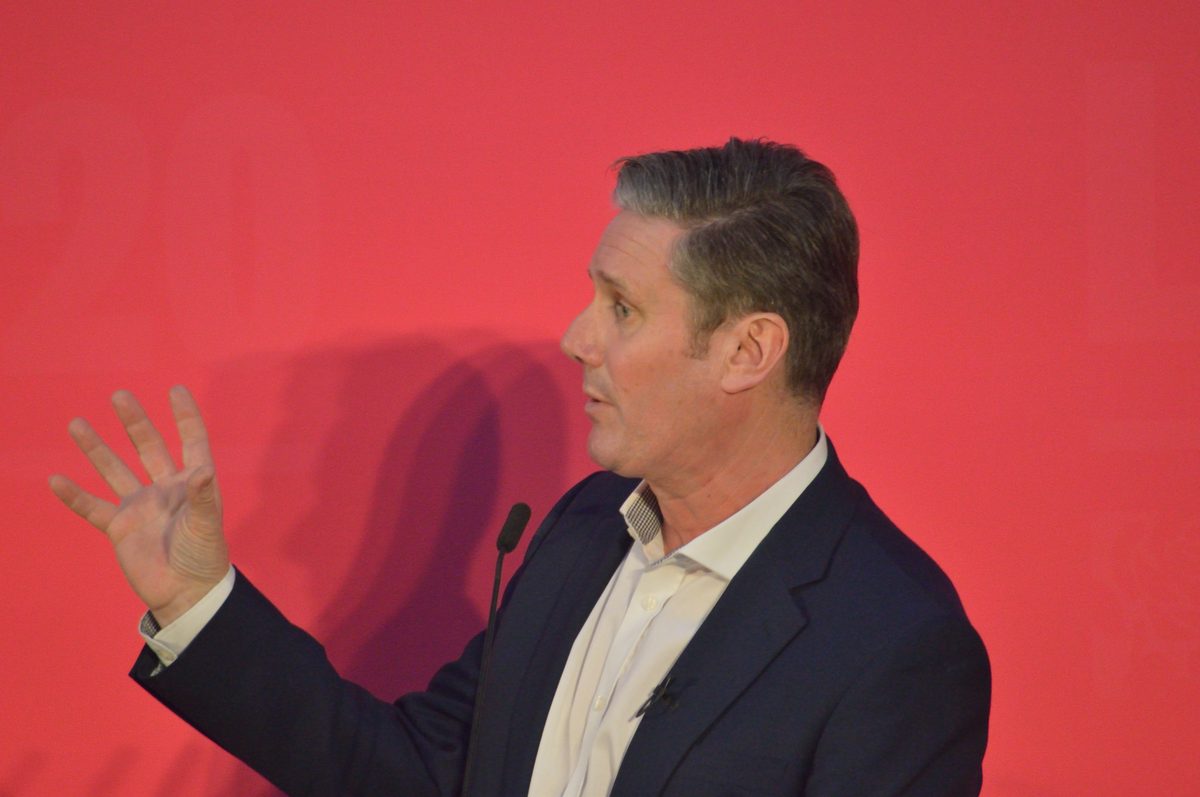
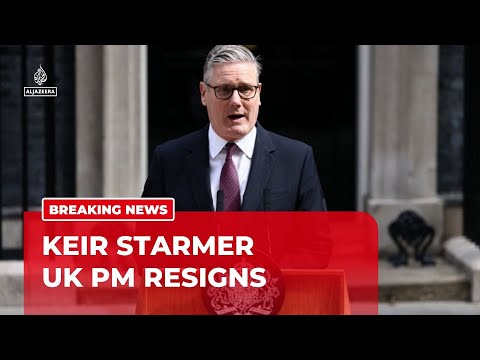
Keir Starmer resigns, triggering Labour leadership contest

Keir Starmer resigns, triggering Labour leadership contest

Force in Play

Heavy local-election losses cost Starmer his MPs' support; Andy Burnham is the front-runner to become the UK's seventh prime minister in a decade

July 9th, 2026: Leadership nominations open

Overview

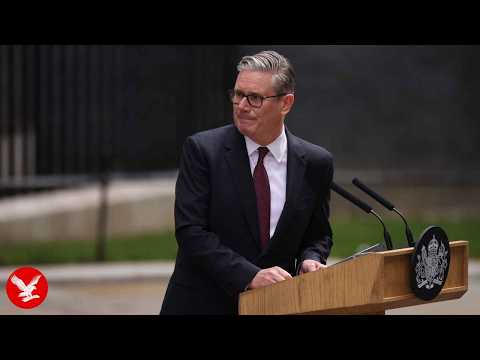
Keir Starmer won a landslide in 2024. Less than two years later, his own MPs stopped backing him, and on June 22, 2026 he resigned. He told King Charles III he will stay as caretaker prime minister until Labour picks a new leader.

The trigger was math. In May, Labour lost more than 1,000 council seats to Reform UK, the Greens, and the Liberal Democrats. Once Labour MPs decided Starmer could not win the next general election, his position became untenable. The party will choose his replacement before Parliament's summer recess.

Why it matters

A G7 government is changing hands mid-term without an election, putting the UK's seventh prime minister in ten years into Downing Street.

Questions about this story

No questions yet — be the first to ask.

Key Indicators

1,100+
Council seats lost
Labour seats lost in the May 2026 local elections.
38
Councils lost
Local authorities where Labour lost overall control.
7th
UK PM in a decade
Starmer's successor will be the seventh prime minister since 2016.
Jul 9
Nominations open
Date Labour leadership nominations are set to open.

Voices

Curated perspectives — historical figures and your fellow readers.

Ever wondered what historical figures would say about today's headlines?

Sign up to generate historical perspectives on this story.

Play

Exploring all sides of a story is often best achieved with Play.

Log in to play. Track your picks, climb the leaderboards. Log in Sign Up
Predict 3 ways this could play out. Contrarian picks score more — points lock when the scenario resolves. Log in to play
Higher or Lower Two numbers from this story. Guess which is bigger. 5 rounds to set a streak. Log in to play
Timeline Five events from this story — drag them oldest to newest. Log in to play
Connections Sixteen names from the news. Find the four hidden groups of four. Log in to play

People Involved

Organizations Involved

Timeline

May 2026 July 2026

5 events Latest: July 9th, 2026
Tap a bar to jump to that date
  1. Leadership nominations open

    Latest Process

    Labour's planned date for nominations to open, with the contest set to finish before Parliament's summer recess.

  2. Starmer resigns as Labour leader

    Today Resignation

    Starmer announces his resignation, informs King Charles III, and stays on as caretaker PM. Burnham confirms his bid; Streeting backs him.

  3. Burnham wins a seat in Parliament

    Election

    Andy Burnham wins a Commons by-election, giving him the parliamentary seat needed to stand for the Labour leadership.

  4. Starmer refuses to resign

    Statement

    Starmer calls the results 'tough' but says he will not walk away. MPs begin pressing him to set a departure timetable.

  5. Labour routed in local elections

    Election

    Labour loses more than 1,000 council seats and control of 38 councils, with gains going to Reform UK, the Greens, and the Liberal Democrats.

Historical Context

3 moments from history that rhyme with this story — and how they unfolded.

November 1990

Thatcher ousted by her own party (1990)

Margaret Thatcher, an election-winning Conservative prime minister, was forced out by her own MPs after a leadership challenge. She resigned rather than lose a second-round vote, and John Major replaced her without a general election.

Then

Major took office and led the Conservatives to a narrow 1992 election win.

Now

The episode showed UK parties will remove a sitting prime minister mid-term when MPs judge them an electoral liability.

Why this matters now

Like Starmer, Thatcher lost the confidence of her own MPs and chose to step aside rather than fight a losing internal battle.

July 2022

Boris Johnson resigns amid MP revolt (2022)

Boris Johnson resigned as Conservative leader after dozens of ministers quit and his MPs withdrew support. He stayed on as caretaker prime minister while the party ran a leadership contest to replace him.

Then

Liz Truss won the contest, then resigned within weeks, and Rishi Sunak took over.

Now

The churn fed a run of short-lived prime ministers that left voters frustrated with constant changes at the top.

Why this matters now

It is the most recent template for what Starmer is doing now: resign as leader, govern as caretaker, and let the party pick a successor.

June 2007

Gordon Brown succeeds Tony Blair (2007)

Tony Blair handed power to Gordon Brown mid-term without a general election. Brown became Labour prime minister through an internal handover after years of pressure to step aside.

Then

Brown took office facing immediate questions about whether he needed his own election mandate.

Now

He never called an early election, and Labour lost power in 2010 after a single Brown term.

Why this matters now

It shows the bind facing Burnham: a leader installed by the party, not the public, will face pressure over an election he may be reluctant to call.

Sources

(7)