
Pull to refresh
Logo
Daily Brief
Following
Why
U.S. and Russia Restore Military Communication Channel

U.S. and Russia Restore Military Communication Channel

Rule Changes
By Newzino Staff |

High-level dialogue resumes after four-year freeze as nuclear arms treaty expires

Yesterday: Military Communication Restored; New START Expires

Overview

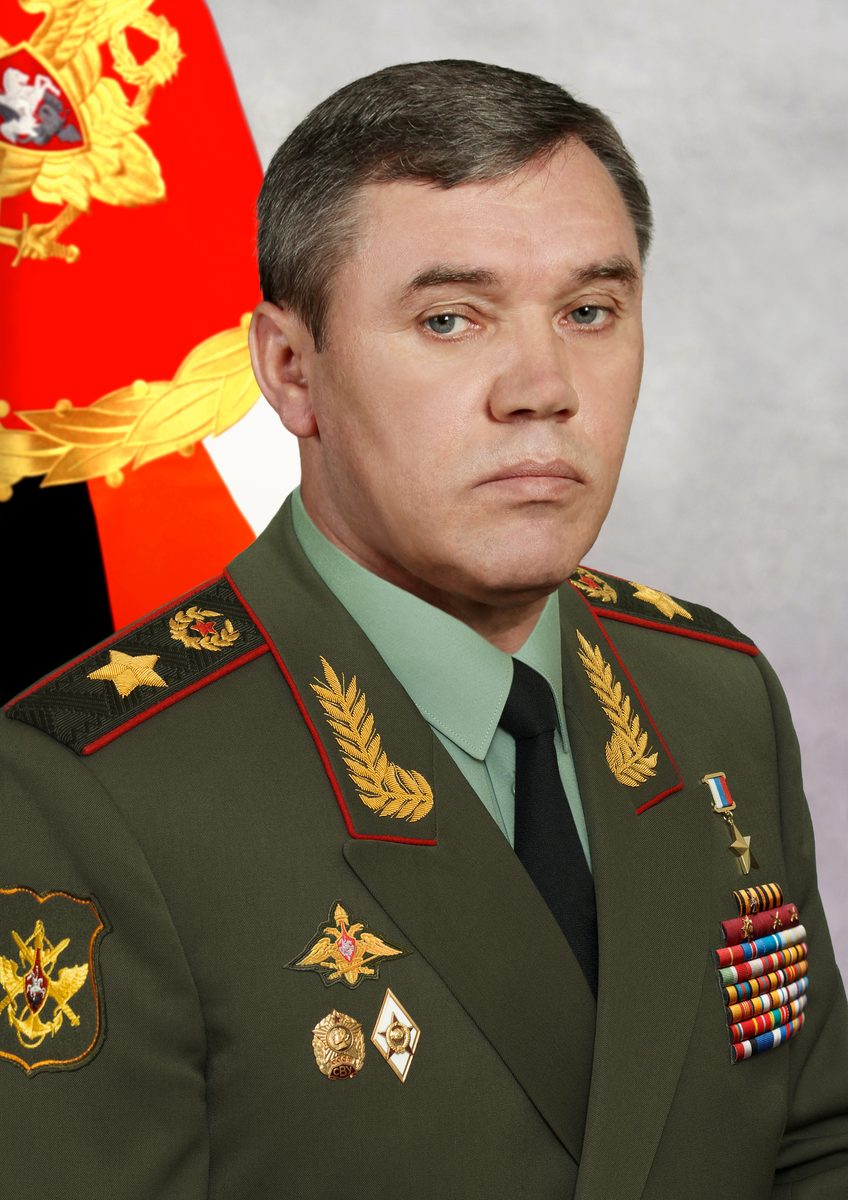
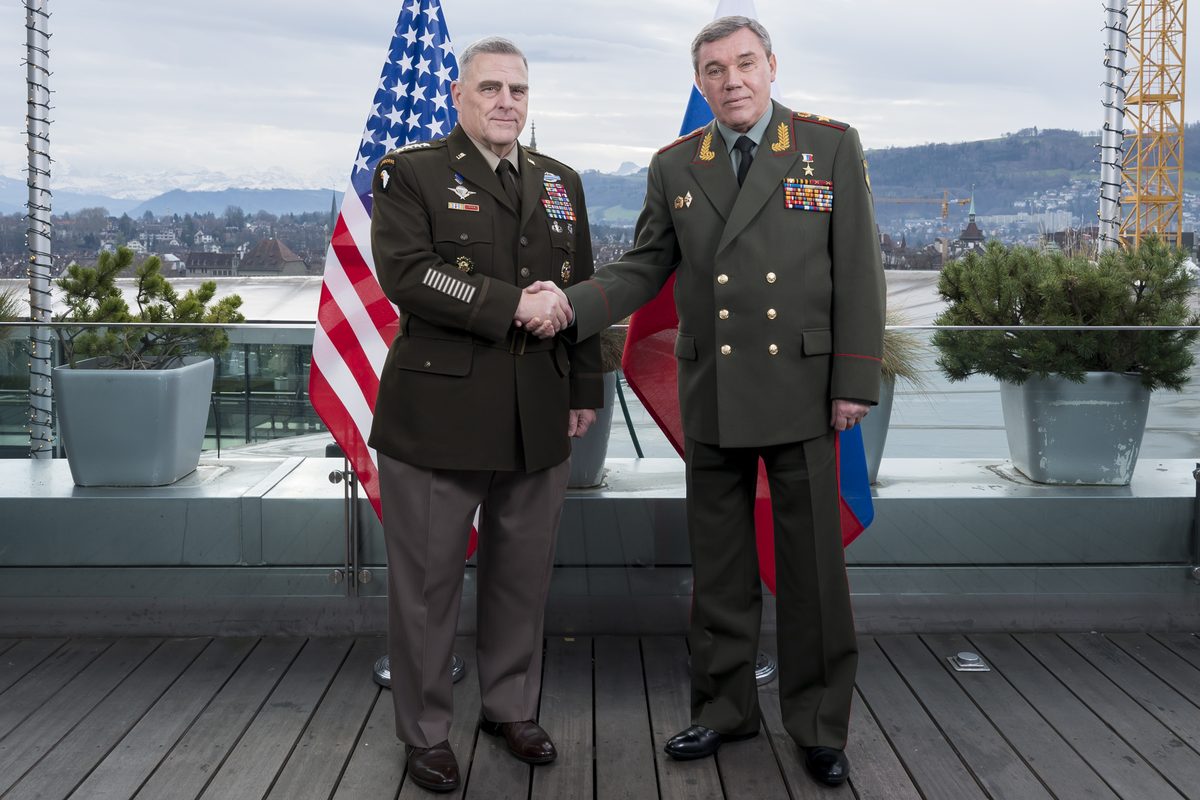
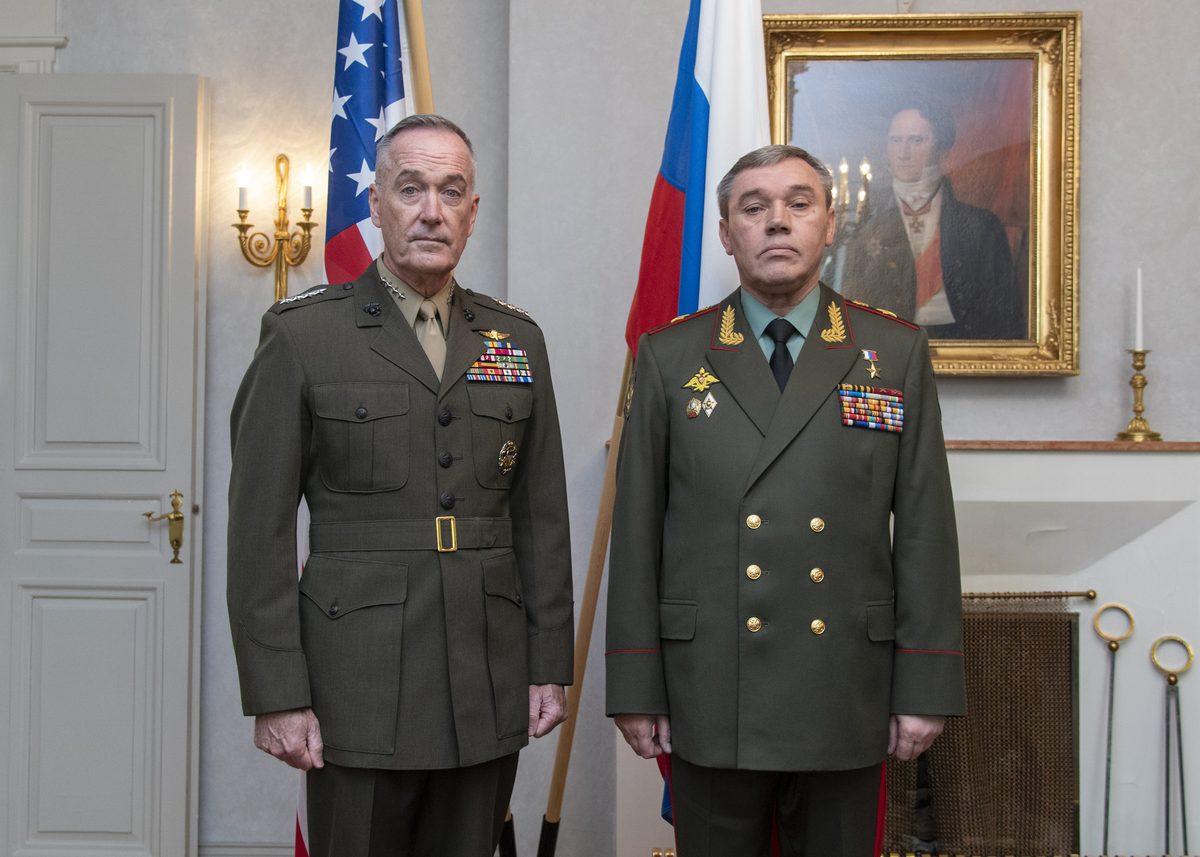
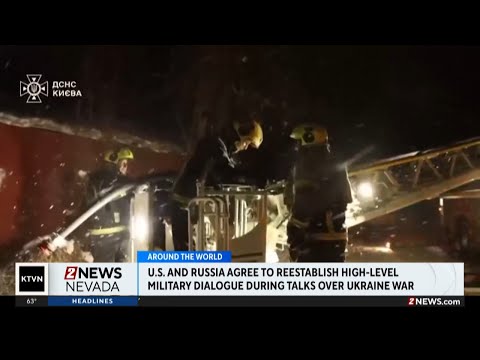
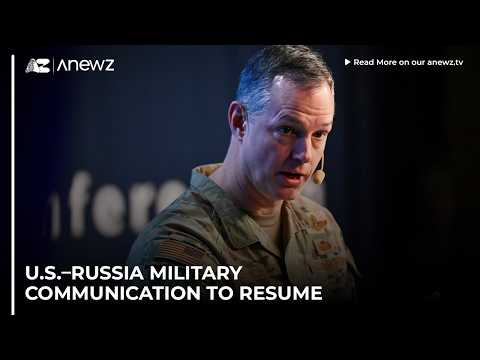
The United States and Russia agreed on February 5, 2026, to reestablish high-level military communication that had been suspended since fall 2021. The channel gives General Alexus Grynkewich, commander of U.S. European Command, a direct line to General Valery Gerasimov, chief of Russia's General Staff—restoring a mechanism designed to prevent miscalculation between two nuclear-armed militaries operating in proximity across Europe, the Arctic, and the Black Sea.

The agreement came on the same day the New START nuclear treaty expired, leaving the world without binding limits on U.S. and Russian strategic nuclear arsenals for the first time in over fifty years. The timing was not coincidental: both developments emerged from trilateral talks in Abu Dhabi aimed at ending the nearly four-year war in Ukraine, where American envoys, Ukrainian officials, and Russian negotiators also agreed to exchange 314 prisoners of war—the first such swap in five months.

Voices from History

Fictional content for perspective - not real quotes.

Ever wondered what historical figures would say about today's headlines?

Sign up to generate historical perspectives on this story.

Sign Up

Key Indicators

4+
Years communication suspended
High-level military dialogue was frozen in fall 2021, months before Russia's full-scale invasion of Ukraine
1,550
Warheads per side under New START
The treaty's deployed warhead limit expired on February 5, 2026, though both sides have indicated they will continue observing the cap
314
Prisoners exchanged
Ukraine and Russia agreed to swap prisoners as part of the Abu Dhabi talks—the first exchange in five months
300+
NATO intercepts in 2023
Russian military aircraft approaches to Alliance airspace requiring scrambled responses, highlighting the risk of miscalculation

People Involved

Alexus G. Grynkewich
Commander, U.S. European Command; Supreme Allied Commander Europe (Active duty; leading U.S. military diplomacy with Russia)
Valery Gerasimov
Valery Gerasimov
Chief of the General Staff, Russian Armed Forces; Commander of Russian Forces in Ukraine (Active duty; Putin extended his service past mandatory retirement age)
Steve Witkoff
Steve Witkoff
U.S. Special Envoy; Trump's lead negotiator on Ukraine (Actively brokering peace talks between Russia and Ukraine)

Organizations Involved

United States European Command
Unified Combatant Command
Status: Primary U.S. military command for Europe; now has restored channel to Russian General Staff

EUCOM is responsible for U.S. military operations across 51 countries in Europe, parts of Asia, and the Arctic, coordinating with NATO allies and managing the military relationship with Russia.

Russian General Staff
Military Command
Status: Now has restored communication channel with U.S. European Command

The General Staff coordinates Russian military operations worldwide and serves as the primary military interlocutor with foreign armed forces, including the restored channel with the United States.

Timeline

  1. Military Communication Restored; New START Expires

    Diplomatic

    The U.S. and Russia agree to reestablish high-level military dialogue. The same day, New START expires, ending binding limits on nuclear arsenals for the first time in over 50 years.

  2. 314-Prisoner Exchange Announced

    Diplomatic

    Ukraine and Russia agree to swap 314 prisoners of war—the first exchange in five months—as the Abu Dhabi talks conclude.

  3. Second Round of Trilateral Talks Opens

    Diplomatic

    Negotiations resume in Abu Dhabi, with General Grynkewich joining the U.S. delegation for military discussions.

  4. First Trilateral Ukraine Talks Begin

    Diplomatic

    U.S., Russian, and Ukrainian delegations meet in Abu Dhabi for the first trilateral talks since Russia's 2022 invasion.

  5. Trump Launches 'Board of Peace' at Davos

    Diplomatic

    President Trump announces a new body for resolving international conflicts, claiming a Ukraine peace deal is 'coming very soon.'

  6. Russian Jets Violate Estonian Airspace

    Incident

    Three armed Russian MiG-31 aircraft violate Estonian airspace for over ten minutes, prompting NATO's North Atlantic Council to convene and condemn the incursion.

  7. Russian Jet Downs U.S. Drone Over Black Sea

    Incident

    A Russian Su-27 intercepts and damages a U.S. MQ-9 Reaper drone, causing it to crash—the first U.S. aircraft destroyed by Russia since the Cold War.

  8. Russia Suspends New START Participation

    Treaty

    Putin announces Russia will suspend participation in New START, ending verification inspections while claiming Russia will continue observing warhead limits.

  9. Russia Invades Ukraine

    Military

    Russia launches a full-scale invasion of Ukraine, triggering the largest conflict in Europe since World War II and further straining U.S.-Russia relations.

  10. U.S.-Russia Military Communication Suspended

    Diplomatic

    High-level military dialogue between the U.S. and Russia is suspended amid rising tensions, months before Russia's full-scale invasion of Ukraine.

  11. New START Extended Five Years

    Treaty

    Russia and the U.S. agree to extend New START through February 5, 2026, avoiding its expiration and preserving the last remaining nuclear arms control treaty.

  12. New START Treaty Signed

    Treaty

    President Obama and President Medvedev sign the New START treaty in Prague, limiting each country to 1,550 deployed strategic nuclear warheads.

  13. Moscow-Washington Hotline Established

    Diplomatic

    Following the Cuban Missile Crisis, the U.S. and Soviet Union establish a direct communication link between the Pentagon and Kremlin to prevent nuclear miscalculation.

Scenarios

1

Communication Channel Holds, Incidents Decrease

Discussed by: Arms control experts at the Arms Control Association and analysts at the Carnegie Endowment for International Peace

The restored military channel proves durable, with both sides using it to deconflict operations in the Black Sea, Arctic, and European airspace. Airspace violations and near-misses decline as commanders gain a direct line to address incidents before they escalate. This scenario requires sustained political will from both Washington and Moscow to maintain the channel even during diplomatic setbacks.

2

New Nuclear Arms Agreement Reached

Discussed by: UN Secretary-General António Guterres, State Department officials, and Russian Foreign Ministry statements

Building on the restored military dialogue and ongoing peace talks, the U.S. and Russia negotiate a successor to New START that reinstates verification inspections and codifies warhead limits. This would likely require resolving the Ukraine war first, as Russia has linked arms control to broader strategic concerns. Both Trump and Putin have expressed openness to new negotiations, but no formal talks have begun.

3

Communication Channel Collapses After Incident

Discussed by: European security analysts at ECFR and RUSI, referencing the 2023 drone downing

A serious military incident—another drone shootdown, a collision between aircraft, or a strike that kills U.S. or Russian personnel—overwhelms the newly restored channel. Domestic political pressure forces one side to suspend communication, returning to the dangerous status quo of 2021-2026. The 2023 Black Sea drone incident demonstrated how quickly tensions can spike without established communication.

4

Nuclear Arms Race Accelerates Despite Dialogue

Discussed by: Federation of American Scientists, Bulletin of the Atomic Scientists, Congressional Research Service

While military communication continues, the expiration of New START removes constraints on nuclear modernization. Russia deploys new hypersonic delivery systems and tests next-generation ICBMs; the U.S. accelerates its own modernization. The two powers maintain tactical communication but lack strategic arms limits, creating a more dangerous long-term environment even as immediate crisis risks decrease.

Historical Context

Cuban Missile Crisis and the Moscow-Washington Hotline (1962-1963)

October 1962 - June 1963

What Happened

The October 1962 Cuban Missile Crisis brought the U.S. and Soviet Union to the brink of nuclear war. Communications between Kennedy and Khrushchev took up to 12 hours to deliver via diplomatic cables, creating dangerous delays during a 13-day standoff over Soviet missiles in Cuba.

Outcome

Short Term

The crisis was resolved through diplomatic channels, with the Soviets agreeing to remove missiles in exchange for U.S. pledges not to invade Cuba and to remove missiles from Turkey.

Long Term

Eight months later, the U.S. and USSR established the Moscow-Washington hotline—a direct teletype link between the Pentagon and Kremlin. It has been used during every major crisis since, including the 1967 Six-Day War and 1973 Yom Kippur War.

Why It's Relevant Today

The 2026 restoration of military communication follows the same logic: when nuclear-armed powers operate in proximity, direct communication reduces the risk that misunderstandings spiral into catastrophe.

Syria Deconfliction Line (2015-2019)

October 2015 - 2019

What Happened

After Russia intervened militarily in Syria's civil war in September 2015, U.S. and Russian aircraft began operating in the same airspace for the first time since the Cold War. The Pentagon and Russian Ministry of Defense established a deconfliction line to prevent accidental engagement between coalition and Russian forces striking different targets.

Outcome

Short Term

The channel successfully prevented mid-air collisions and friendly fire incidents despite hundreds of daily sorties in crowded airspace.

Long Term

The Syria deconfliction mechanism became a model for military communication between adversaries, demonstrating that tactical coordination is possible even amid strategic rivalry.

Why It's Relevant Today

The Syria experience showed that U.S.-Russia military communication can function even during active conflict. The restored 2026 channel will face similar tests as both militaries operate near each other in the Black Sea, Baltic, and Arctic.

Strategic Arms Limitation Talks and the End of Arms Control (1969-2023)

November 1969 - February 2023

What Happened

Beginning with SALT I in 1969, the U.S. and Soviet Union/Russia maintained an unbroken chain of nuclear arms control agreements for over fifty years. The 1987 INF Treaty, 1991 START I, and 2010 New START progressively reduced deployed warheads from over 10,000 to 1,550 per side.

Outcome

Short Term

Each treaty created verification regimes with on-site inspections, giving both sides confidence in compliance and early warning of changes.

Long Term

The framework collapsed in stages: the U.S. withdrew from the ABM Treaty in 2002 and INF Treaty in 2019; Russia suspended New START participation in 2023. By February 2026, no binding limits remained.

Why It's Relevant Today

The expiration of New START on the same day military communication was restored creates a paradox: tactical dialogue improves while strategic constraints disappear, leaving the nuclear relationship more unpredictable than at any point since the early Cold War.

12 Sources: