

Pull to refresh
Logo
Senate committee advances 2026 water bill with new pipe-funding renewal

Senate committee advances 2026 water bill with new pipe-funding renewal

Rule Changes

The House passed its version Sept. 16; the Senate's loan-fund renewal still awaits a floor vote

September 30th, 2026: Water program authorizations lapse

Overview

Updated 2 days ago

The House passed its version of Congress's water bill on Sept. 16 by 415 votes to 9. The Senate committee version, which renews the federal loan funds behind local water systems, still has not reached the Senate floor.

Negotiators from both chambers are now working toward a single bill before the year ends. The sticking point is the Senate's renewal of the drinking-water and wastewater loan funds through 2030, which the House bill leaves out and whose current authorization lapsed Sept. 30.

Why it matters

Local pipe and treatment upgrades run on these federal-backed loan funds. The bill refills them through 2030 and adds lead-pipe and PFAS cleanup.

Questions about this story

Free account needed to ask — your question is kept and asked for you right after sign-up. Answers are public.

No questions yet — be the first to ask.

Key Indicators

$14B
Clean Water loan fund
Senate bill level for the Clean Water State Revolving Fund, fiscal 2027 through 2030.
$16.5B
Drinking Water loan fund
Senate bill level for the Drinking Water State Revolving Fund, fiscal 2027 through 2030.
61
New feasibility studies
Army Corps studies the Senate bill authorizes, alongside 15 new or modified construction projects.
415-9
House floor vote
The House passed its own water bill on Sept. 16; it does not renew the loan funds.

Voices

Curated perspectives — historical figures and your fellow readers.

Ever wondered what historical figures would say about today's headlines?

Sign up to generate historical perspectives on this story.

People Involved

Organizations Involved

Timeline

October 2018 September 2026

9 events Latest: September 30th, 2026 · 4 weeks ago
Tap a bar to jump to that date
  1. Water program authorizations lapse

    Latest Legislation

    The existing authorization for the EPA's key water programs ended Sept. 30, along with supplemental infrastructure-law funding. Water groups pressed Congress to finish the renewal.

  2. Contractors' group backs the Senate version

    Advocacy

    The National Utility Contractors Association and other water groups praised the House vote but urged negotiators to adopt the Senate's four-year loan-fund renewal, lead-pipe replacement and PFAS removal.

  3. House passes its water bill, 415-9

    Legislation

    The House approves H.R. 9497 with a wide bipartisan margin. The bill covers Army Corps projects but omits the Senate's renewal of the state loan funds.

  4. House panel weighs a smaller drinking-water fund

    Legislation

    The House Energy and Commerce Committee held a hearing on a draft Safe Drinking Water Act renewal that would set the Drinking Water State Revolving Fund at $1.126 billion for fiscal 2027 through 2031, against the Senate's $16.5 billion.

  5. Senate committee advances WRDA 2026

    Legislation

    The Senate Environment and Public Works Committee unanimously approves the bill, which authorizes 61 Army Corps studies and 15 construction projects and renews the state loan funds.

  6. House committee clears its version

    Legislation

    The House Transportation and Infrastructure Committee advances H.R. 9497 by 66-0. Its version does not renew the loan funds.

  7. Senate releases its WRDA 2026 text

    Legislation

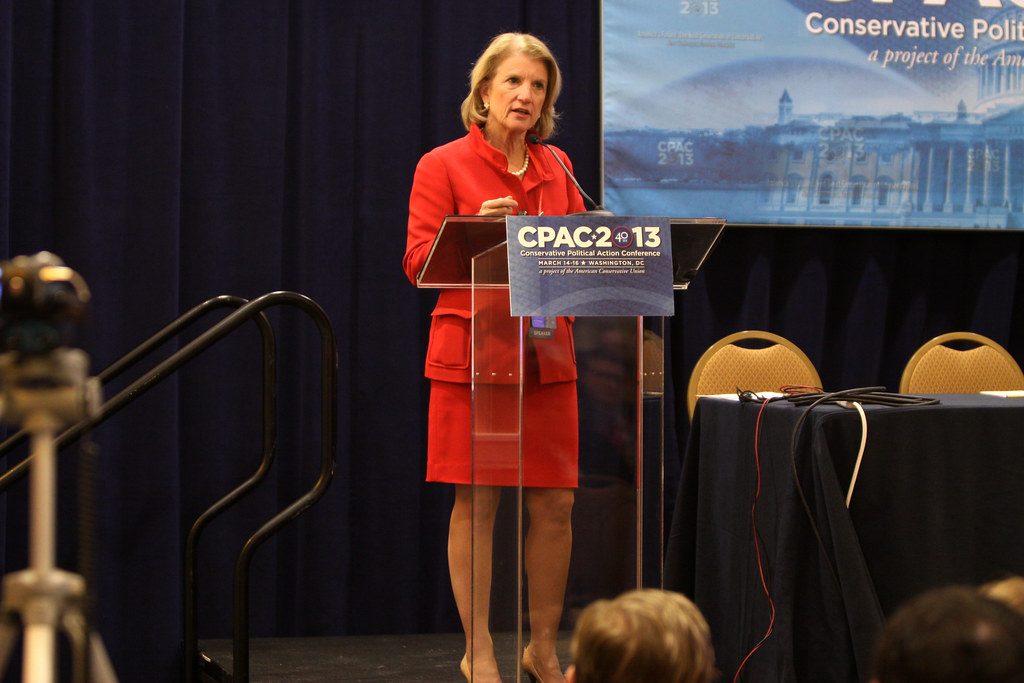
    EPW leaders Capito and Whitehouse release the bill, which renews the state loan funds through fiscal 2030.

  8. Infrastructure law adds a one-time surge

    Legislation

    The 2021 infrastructure law puts tens of billions of one-time dollars into water systems, including lead-pipe removal. That funding is now winding down.

  9. Prior law renews the water loan programs

    Legislation

    America's Water Infrastructure Act reauthorizes the federal drinking-water and wastewater loan programs, the baseline now up for renewal.

Scenarios

1

Congress sends WRDA 2026 to the president's desk

Likely Resolves by Jan 20, 2027

Discussed by: Bond Buyer; National Association of Counties

Both chambers reconcile their versions and pass a final bill, which the president signs. WRDA has been enacted every two years since 2014, and both the House and Senate versions cleared committee with broad bipartisan support. A year-end package is the usual vehicle.

2

Final water law keeps the state loan-fund renewal

Uncertain Resolves by Jan 20, 2027

Discussed by: National Association of Counties; National Association of Clean Water Agencies

The House version omits the loan-fund renewal, so the two chambers must reconcile. This scenario resolves YES if the enacted law carries the Senate's reauthorization of the Clean Water and Drinking Water State Revolving Funds. It could be dropped in conference over cost or scope.

3

Water bill stalls, breaking the biennial streak

Unlikely Resolves by Jan 3, 2027

Discussed by: Brumidi Group; Bond Buyer

Floor time, spending fights or a lapse in cooperation keep the bill from passing before the 119th Congress adjourns. That would break a run of on-time water bills going back to 2014 and force the next Congress to restart the process.

4

House and Senate split over drinking-water fund levels

Possible Resolves by End of 2026

Discussed by: National League of Cities

The House Energy and Commerce Committee's draft Safe Drinking Water Act renewal would authorize $1.126 billion for the Drinking Water State Revolving Fund over fiscal 2027-2031. The Senate bill proposes $16.5 billion over fiscal 2027-2030. Negotiators would have to bridge that gap.

Historical Context

3 moments from history that rhyme with this story — and how they unfolded.

2014-2016

Flint water crisis and the WIIN Act (2016)

Flint, Michigan switched its water source in 2014 and exposed roughly 100,000 residents to lead from corroding pipes. In 2016, Congress used the Water Infrastructure Improvements for the Nation Act to send about $170 million toward Flint and similar systems.

Then

Flint got federal money for pipe replacement and health monitoring, and lead became a national water story.

Now

The water bill became the standard vehicle for drinking-water aid, not just Army Corps projects.

Why this matters now

WRDA 2026 extends that pattern, folding loan-fund renewal and lead-pipe removal into the same bill that funds the Corps.

October 2018

America's Water Infrastructure Act (2018)

Congress passed a broad water law that renewed federal drinking-water loan authority and Army Corps projects. The Senate approved it 99-1, and the president signed it that October.

Then

State loan funds got renewed authorization and utilities kept access to low-cost federal loans.

Now

It set the authorization baseline that lapses and now needs the 2026 renewal.

Why this matters now

The programs that 2018 law renewed are the same ones WRDA 2026 would extend through 2030.

November 2021

Infrastructure Investment and Jobs Act (2021)

The 2021 infrastructure law directed more than $50 billion to water systems, the largest federal water investment on record. About $15 billion targeted lead service line replacement.

Then

States and utilities got a surge of one-time capital for pipes and treatment plants.

Now

The money is being spent down, leaving the regular loan funds as the main ongoing source.

Why this matters now

WRDA 2026 sets the annual baseline that carries local water funding after the 2021 surge runs out.

Sources

(12)