Anchor

Fifth Circuit rules Constitution gives no right to clean drinking water
Rule ChangesAppeals court affirms dismissal of Jackson, Mississippi, lead-water suit; state tort claims and Safe Drinking Water Act remain open.
Yesterday: Fifth Circuit affirms dismissalNew here? Follow stories to track developments over time. Create a free account to get updates when stories you care about change.
Overview
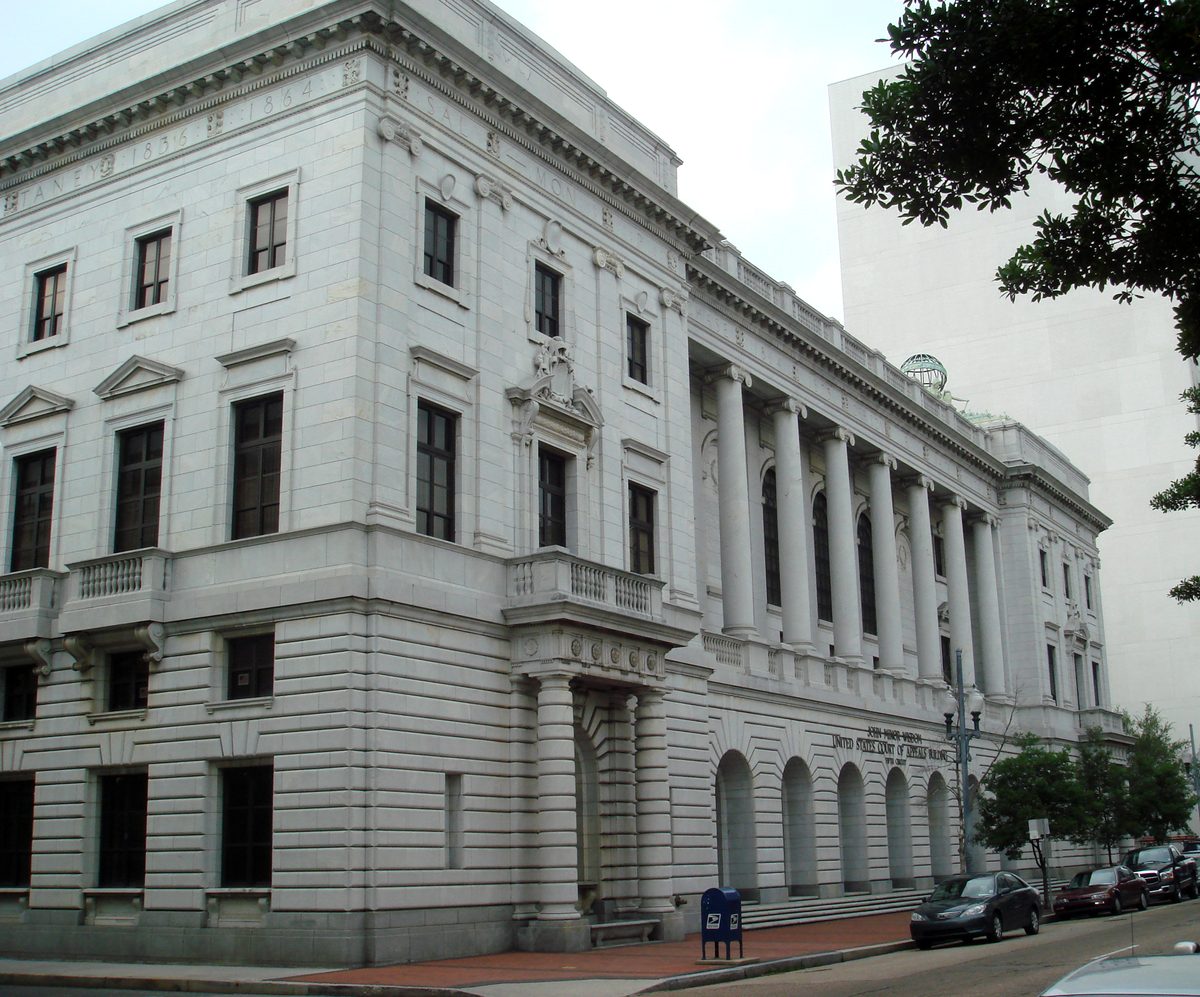
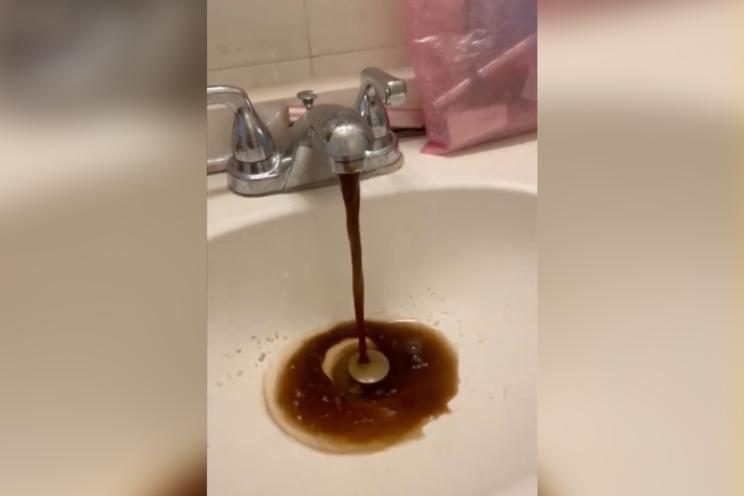
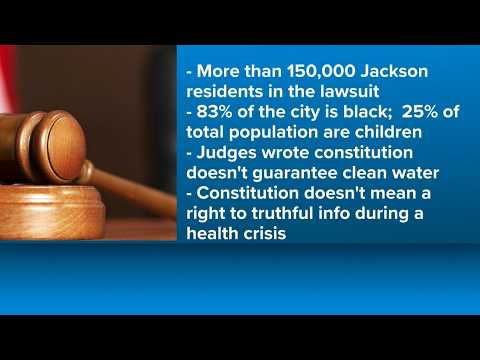
Updated 43 minutes agoA divided federal appeals court ruled that the U.S. Constitution does not guarantee clean drinking water, or truthful reports about contamination, from public officials. The September 2026 decision in Sterling v. City of Jackson affirms dismissal of a lawsuit over lead in Jackson, Mississippi's municipal water supply.
The ruling binds federal courts in Texas, Louisiana, and Mississippi. It blocks Section 1983 suits, the civil-rights law used to sue officials for constitutional violations, as a path to water-contamination damages. State tort law and the Safe Drinking Water Act remain open, and the federal government has managed Jackson's water system since 2022.
Why it matters
Millions of residents in three states lose the federal civil-rights path to water-contamination damages — unless Congress or the Supreme Court steps in.
Questions about this story
Free account needed to ask — your question is kept and asked for you right after sign-up. Answers are public.
No questions yet — be the first to ask.
Key Indicators
160,000
Jackson residents who lost water access in September 2022
Flooding disabled the O.B. Curtis treatment plant, leaving much of the city without safe drinking water.
3
States where the ruling is binding precedent
Texas, Louisiana, and Mississippi form the Fifth Circuit's jurisdiction.
~80%
Share of Jackson residents who are Black
Demographic cited in environmental-justice analyses of the water crisis.
No. 24-60370
Case number for Sterling v. City of Jackson
Fifth Circuit docket for the lead-water appeal.
Related Media
053107-5thCircuit
Mississippi faucet spews murky brown liquid during Jackson water crisis
Burst pipes in Jackson, Mississippi, are just the latest of the city's water woes | New Hampshire Public Radio
186 views
0:40
Mississippi officials say clean water, honest information not a ...
KCENNews
305 views
0:44
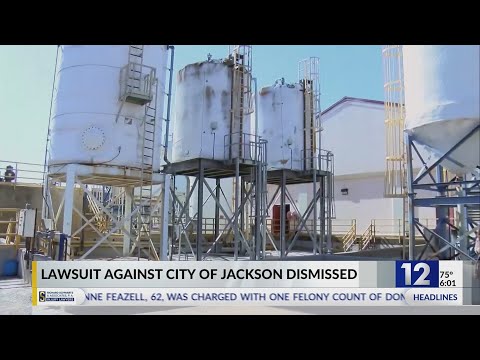
Court upholds dismissal of lawsuit alleging lead in ...
WJTV 12 News
Images from Openverse under Creative Commons licenses. Videos from YouTube.
Voices
Curated perspectives — historical figures and your fellow readers.
Play
Exploring all sides of a story is often best achieved with Play.
Most of these play right now — no account needed. Sign up to save scores, keep a streak, and unlock Debate and Predict.
Log in
Sign Up
Higher or Lower
A number from this story, against one from elsewhere in the news — guess which is bigger, then keep the chain going. 5 rounds, 3 strikes; a miss costs a strike and resets your streak.
Example
Anchor
EU tariff revenue
$52B
Big for this kind of number
Mystery
Pentagon AI contract
?
Round 1
Streak: 0
Mystery
?
Keyboard: ↓/L lower · ↑/H higher
0 pts
Best streak: 0 · Rounds: 0
0 points — sign up to put that on the leaderboard.
Now try on this story
Connections
Sixteen names from the news. Find the four hidden groups of four. Four mistakes max.
Loading today's puzzle…
0/4 groups
Mistakes
Sign up to keep a daily streak — a new puzzle lands every day.
Now try on this story
Exit debate?
Your progress in this debate will be lost.
How it works
- 1 Two AI personas square off on this story.
- 2 You predict who'll win each round — correct picks earn XP.
- 3 One crossfire question is yours to fire. Pick it carefully.
Couldn't generate a topic
Select Your Champions
Choose one persona for each side of the debate
DEBATE TOPIC
Choose personas with different perspectives for a more dynamic debate.
SIDE A (PRO)
Select debater for this side:
No debate personas available right now.
SIDE B (CON)
Select debater for this side:
No debate personas available right now.
VS
Get ready to make your prediction...
Round of
Claim
Evidence
Stakes
Crossfire Answer
Closing Statement
Claim
Evidence
Stakes
Crossfire Answer
Closing Statement
Your Crossfire Question
Generating arguments...
Who's Got This Round?
Make your prediction before the referee scores
The referee scores both sides on
Correct predictions earn +20 XP
· Press 1 or 2 to pick
Evidence
40%
Logic
30%
Detail
20%
Style
10%
Round Results
Your Pick
Not this time
(%)
Overall Score
/10
Your Pick
Not this time
(%)
Overall Score
/10
Set the Crossfire
Pick the question both personas must answer in the final round
Crafting crossfire questions...
Choosing a question earns +10 XP crossfire bonus
🏆
Total XP Earned
Cred Change
Predictions
Debate Oracle! You called every round!
Sharp Instincts! You know your debaters!
The Coin Flip Strategist! Perfectly balanced!
The Contrarian! Bold predictions!
Inverse Genius! Try betting the opposite next time!
XP Breakdown
Base completion
+20 XP
Rounds played ( rounds x 5 XP)
+ XP
Correct predictions ( correct x 20 XP)
+ XP
Crossfire bonus
+10 XP
Accuracy
%
Prediction History
Round
You picked:
✓
✗
Now try on this story
Keep debating to level up your credibility and unlock achievements
People Involved
Kurt Engelhardt
Circuit Judge, U.S. Court of Appeals for the Fifth Circuit
Author of the majority opinion
Catharina Haynes
Circuit Judge, U.S. Court of Appeals for the Fifth Circuit
Dissented from the majority
PS
Priscilla Sterling
Lead plaintiff, Jackson resident
Plaintiff in dismissed federal suit
Organizations Involved
U.S. Court of Appeals for the Fifth Circuit
Federal appellate court
Issued the ruling
The federal appellate court for Texas, Louisiana, and Mississippi.
City of Jackson, Mississippi
Municipal government
Defendant; water system under federal oversight
Municipal government operating a water system under federal oversight after years of contamination.
U.S. Environmental Protection Agency (EPA)
Federal regulatory agency
Enforces Safe Drinking Water Act; oversees Jackson's water
Federal agency enforcing the Safe Drinking Water Act.
Timeline
February 2022 September 2026
5 events
Latest: Yesterday
Tap a bar to jump to that date
-
Fifth Circuit affirms dismissal
Latest Court rulingDivided panel holds the Constitution offers no right to clean water or truthful official information.
-
District court dismisses claims
LegalDistrict court rejects residents' civil-rights claims; the Fifth Circuit had never accepted that theory.
-
Justice Department sues Jackson over water violations
LegalJustice Department files Safe Drinking Water Act and Clean Water Act claims against the city.
-
Flood knocks out water plant
InfrastructureO.B. Curtis plant fails after flooding; about 160,000 residents lose safe water.
-
Residents sue over lead contamination
LegalSterling and other Jackson residents sue the city, claiming officials hid lead contamination and called the water safe.
Historical Context
3 moments from history that rhyme with this story — and how they unfolded.
December 1974
Safe Drinking Water Act (1974)
Congress passed the Safe Drinking Water Act after studies linked contaminated drinking water to disease outbreaks. It set federal standards for public water systems and gave the EPA enforcement authority.
Then
Established national tap-water quality standards and EPA oversight.
Now
Now the primary federal enforcement mechanism for municipal water contamination — the path the Justice Department used against Jackson in 2022.
Why this matters now
The appellate ruling pushed residents toward statutory claims like the Safe Drinking Water Act rather than constitutional claims.
February 1989
DeShaney v. Winnebago County (1989)
The Supreme Court held 6-3 that the Due Process Clause doesn't require the state to protect individuals from harm, even when it knows they're in danger. Joshua DeShaney, a Wisconsin boy, suffered severe abuse after county child services returned him to his father's custody.
Then
DeShaney's Section 1983 claim failed; he received no damages.
Now
Set the rule that the state has no affirmative duty to protect, and that the Due Process Clause is not a general tort remedy.
Why this matters now
The Fifth Circuit cited DeShaney directly, holding that the Constitution does not provide redress for every governmental wrongdoing.
2014-2019
Flint water crisis / Guertin v. State (6th Cir. 2019)
Flint, Michigan switched its water source to the Flint River in April 2014, causing lead to leach from pipes. Residents sued after state officials downplayed contamination. In 2019, the Sixth Circuit allowed state-created danger claims against Flint officials to proceed.
Then
Flint residents obtained a path to damages through the Sixth Circuit's state-created danger doctrine.
Now
Created a circuit split: the Sixth Circuit accepts the doctrine; the Fifth Circuit has long declined to adopt it.
Why this matters now
The Fifth Circuit explicitly declined to follow Guertin, noting its own circuit "stands practically alone" among appellate courts in not adopting the state-created danger doctrine.