
Pull to refresh
Logo
Daily Brief
Following
Why Ranks Sign Up
Global wildfires set 2026 record as a strong El Niño builds

Global wildfires set 2026 record as a strong El Niño builds

Built World

An Alaska-sized area has already burned in four months, and forecasters say the second half could compound

2 days ago: Record start to 2026 fire season made public

Overview

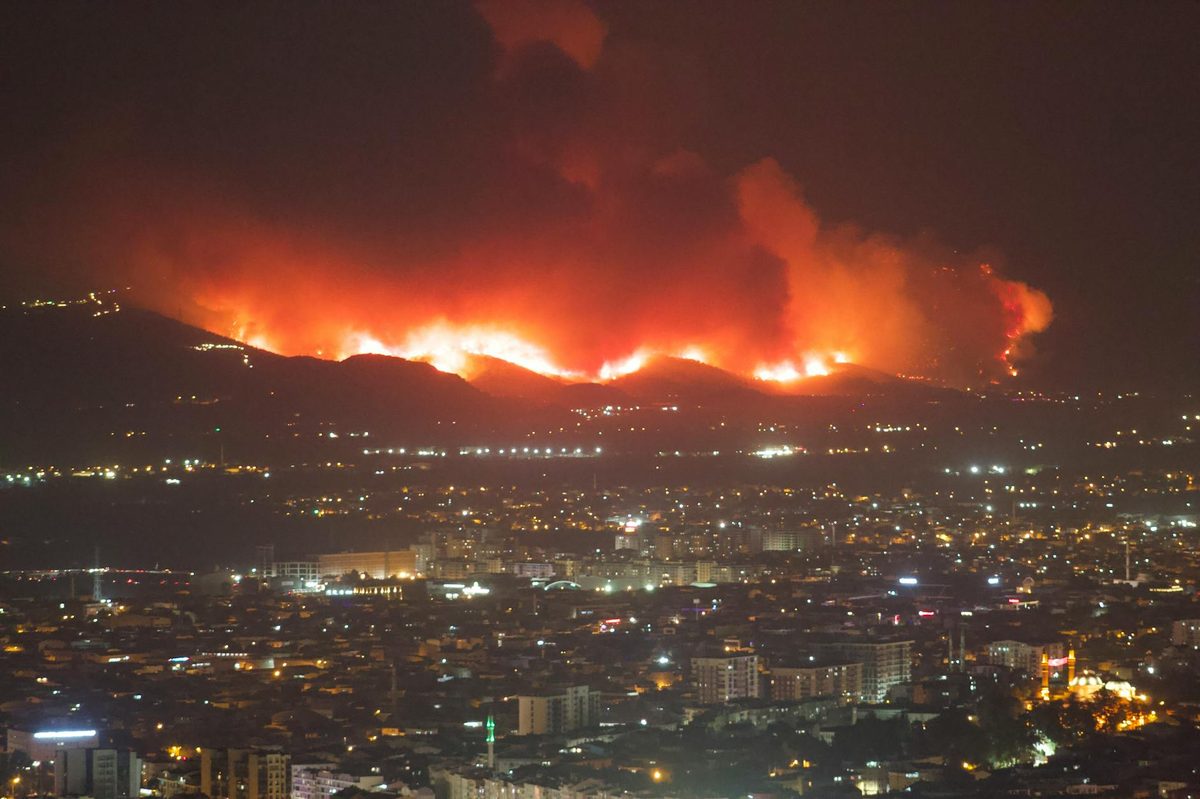
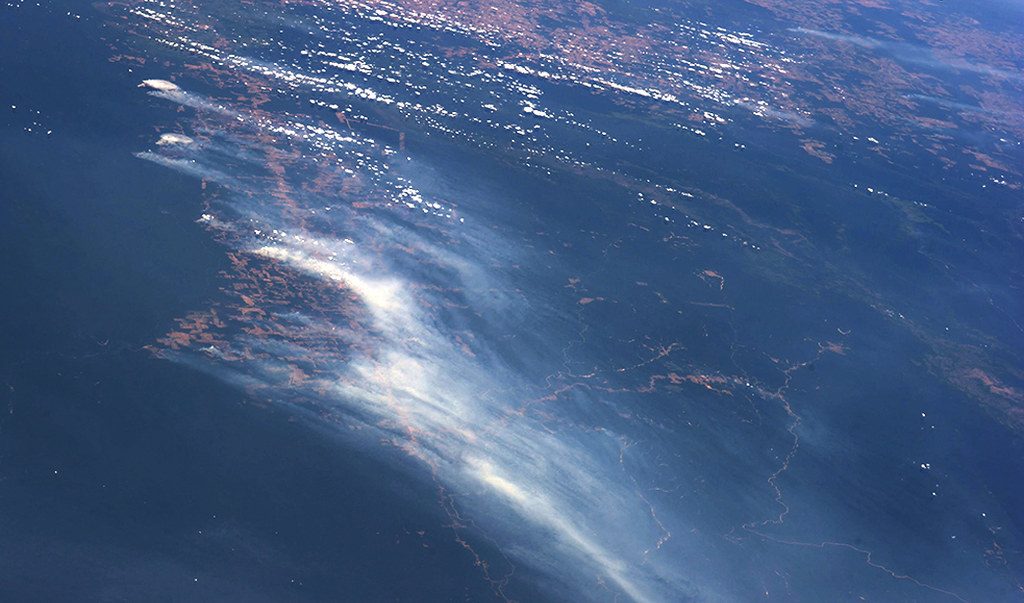
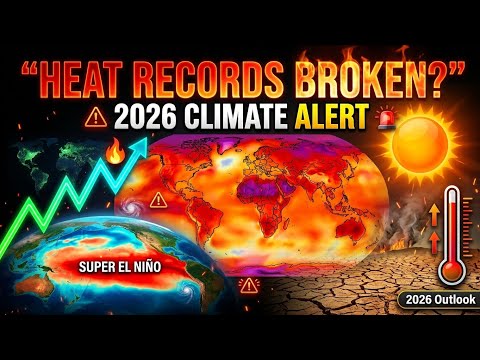
Satellites tracked 150 million hectares of burned land globally in the first four months of 2026. That is roughly the size of Alaska, and about double the historical average for January through April.

Why it matters

If a strong El Niño lands on a record fire year, the same crops, power grids, and insurance markets all get squeezed at once.

Play on this story Voices Debate Predict

Key Indicators

150M ha
Hectares burned globally
First four months of 2026 — roughly the area of Alaska.
~2x
Seasonal average
January–April burn area is about double the multi-year baseline.
85M ha
Africa burn area
23% above the prior record for the continent.
Strong
El Niño signal
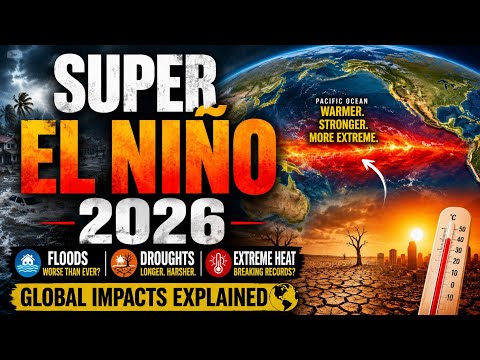
NOAA says June–August signs point to an unusually strong event.

Interactive

Exploring all sides of a story is often best achieved with Play.

Ever wondered what historical figures would say about today's headlines?

Sign up to generate historical perspectives on this story.

People Involved

Organizations Involved

Timeline

  1. Record start to 2026 fire season made public

    Data

    Bloomberg and GWIS publish satellite data showing 150 million hectares burned globally, the worst January–April on record. NOAA separately warns of a possibly exceptional El Niño for June–August.

  2. Africa passes its previous burn-area record

    Data

    GWIS data shows 85 million hectares burned across Africa year-to-date, 23% above the prior record.

  3. Unusual fires hit Japan

    Disaster

    Spring fires in Japan force evacuations and stretch local response, well above typical years.

  4. Argentina and Chile fires overwhelm response

    Disaster

    Hot, dry conditions across the Southern Cone push national fire services past capacity.

  5. ENSO returns to neutral

    Context

    Pacific conditions shift to neutral, ending the 2023–24 El Niño and 2024–25 La Niña cycle.

  6. 2023–24 El Niño peaks

    Context

    The prior El Niño tops out and helps drive 2024 to a record global average temperature.

  7. Canada's record fire season begins

    Context

    Early-season fires in Alberta foreshadow a record Canadian year that sends smoke into US cities.

Scenarios

Predict which scenario wins. Contrarian picks score more — points lock in when the scenario resolves.

Log in to predict. Track your picks, climb the leaderboard. Log in Sign Up
1

NOAA confirms a strong El Niño by year-end

Sea-surface and atmospheric signals NOAA flagged in May hold up. A strong El Niño develops through summer and matures in autumn, compounding heat and drought across already-burned regions. This is the scenario that drives the most severe second-half outcomes, including extended fire activity in the tropics and stress on grids in the US Southwest.

Resolves by: 2026-12-31
Source: NOAA Climate Prediction Center monthly ENSO Diagnostic Discussion
Discussed by: NOAA Climate Prediction Center, Bloomberg, Copernicus
Consensus
2

2026 sets a full-year record for global burned area

The pace set in the first four months continues. Even if a strong El Niño does not fully materialize, accumulated drought and high temperatures keep burn area above the prior annual record. GWIS publishes the final 2026 number in early 2027 and confirms a new global high.

Resolves by: 2027-03-31
Source: Global Wildfire Information System (GWIS) annual statistics report
Discussed by: GWIS, Copernicus Atmosphere Monitoring Service, Bloomberg
Consensus
3

Major US insurer formally exits a state over wildfire risk

Record losses prompt one of the largest US home insurers to file a full withdrawal from a state's homeowners market, citing wildfire exposure. The move follows earlier pullbacks in California and would tighten the private market further across the US West.

Resolves by: 2026-12-31
Source: State insurance commissioner filings or company SEC disclosures
Discussed by: Insurance Journal, Claims Journal, state insurance regulators
Consensus
4

El Niño develops milder than the May forecast

The May signal weakens. ENSO models drift toward a weak or moderate El Niño rather than the strong event flagged earlier. Northern Hemisphere fire season is still elevated but the compounding heat-drought scenario does not fully arrive.

Resolves by: 2026-12-31
Source: NOAA Climate Prediction Center monthly ENSO Diagnostic Discussion
Discussed by: Independent ENSO modelers, NOAA, ECMWF
Consensus

Historical Context

1997–98 super El Niño and Southeast Asian haze

1997–1998

What Happened

One of the strongest El Niños on record drove severe drought across Indonesia. Fires set to clear land burned out of control across Sumatra and Kalimantan, producing a regional haze that closed airports and schools in Singapore and Malaysia. The Asian Development Bank later put direct damages at around $9 billion.

Outcome

Short Term

Health emergencies across six countries and a multi-month shutdown of regional aviation and shipping visibility.

Long Term

Spurred Indonesia's later attempts at peatland regulation and the ASEAN Agreement on Transboundary Haze Pollution.

Why It's Relevant Today

It is the cleanest precedent for what a strong El Niño can do on top of dry, fire-prone landscapes.

Australian Black Summer

September 2019 – March 2020

What Happened

Sustained drought and record heat fueled fires that burned roughly 24 million hectares across Australia. The fires killed 33 people directly, destroyed more than 3,000 homes, and were estimated to have killed or displaced about 3 billion animals.

Outcome

Short Term

Direct economic losses ran into the tens of billions of Australian dollars and triggered a national Royal Commission.

Long Term

Australia overhauled its disaster-recovery agency and tightened insurer reporting on bushfire exposure.

Why It's Relevant Today

Shows how a single severe season can reset insurance markets and emergency-management structures.

Canada's 2023 fire season

May – October 2023

What Happened

About 18.5 million hectares burned across Canada, more than double the prior national record. Smoke pushed air quality in New York City to among the worst on the planet for several days in June, and at peak more than 100,000 people were under evacuation orders.

Outcome

Short Term

Canada had to import firefighters from more than a dozen countries and the federal government stood up a permanent wildfire coordination center.

Long Term

Reinsurers re-priced North American wildfire risk and several US states tightened insurer rules on non-renewals.

Why It's Relevant Today

It is the most recent example of a single country's fire season breaking response capacity and reshaping insurance terms across the continent.

Sources

(3)