
Pull to refresh
Logo
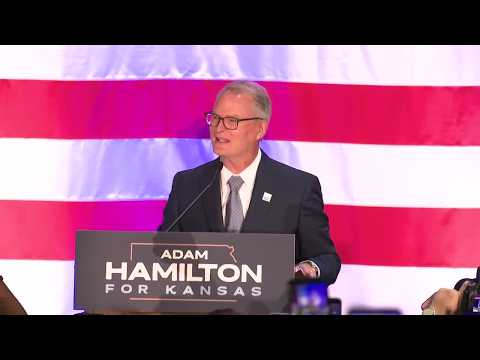
Democrat Adam Hamilton wins Kansas Senate seat, first since 1932

Democrat Adam Hamilton wins Kansas Senate seat, first since 1932

Rule Changes

A Methodist megachurch pastor defeats Republican Roger Marshall in the most expensive race in Kansas history.

Overview

Updated 1 hour ago

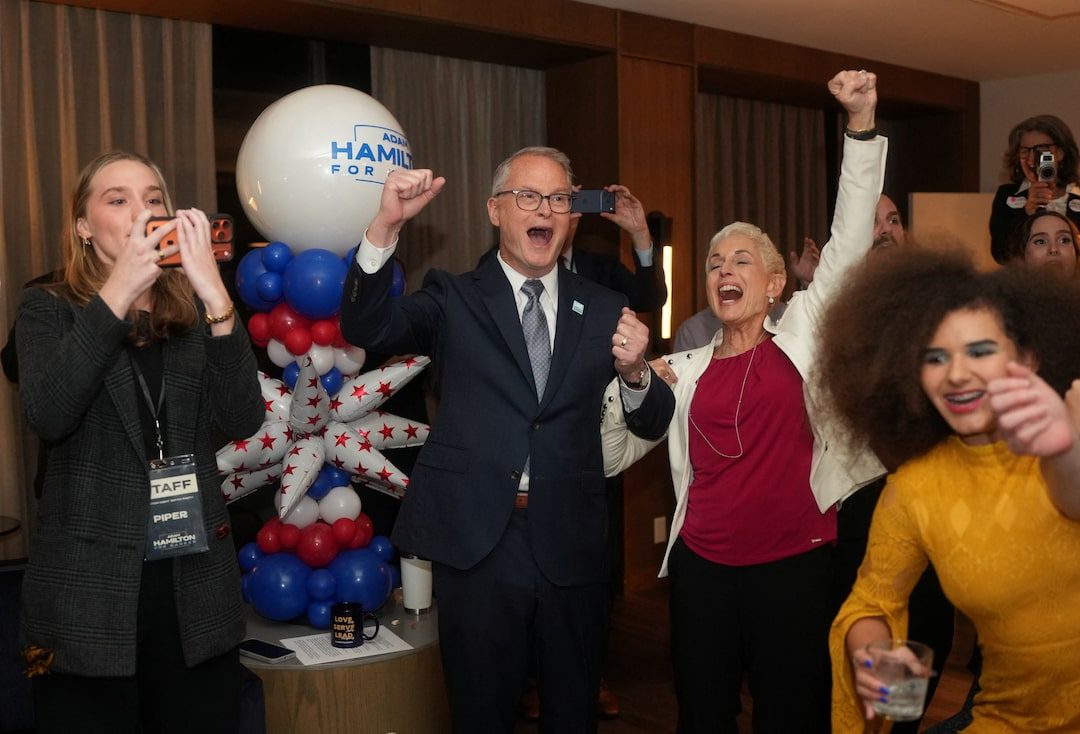
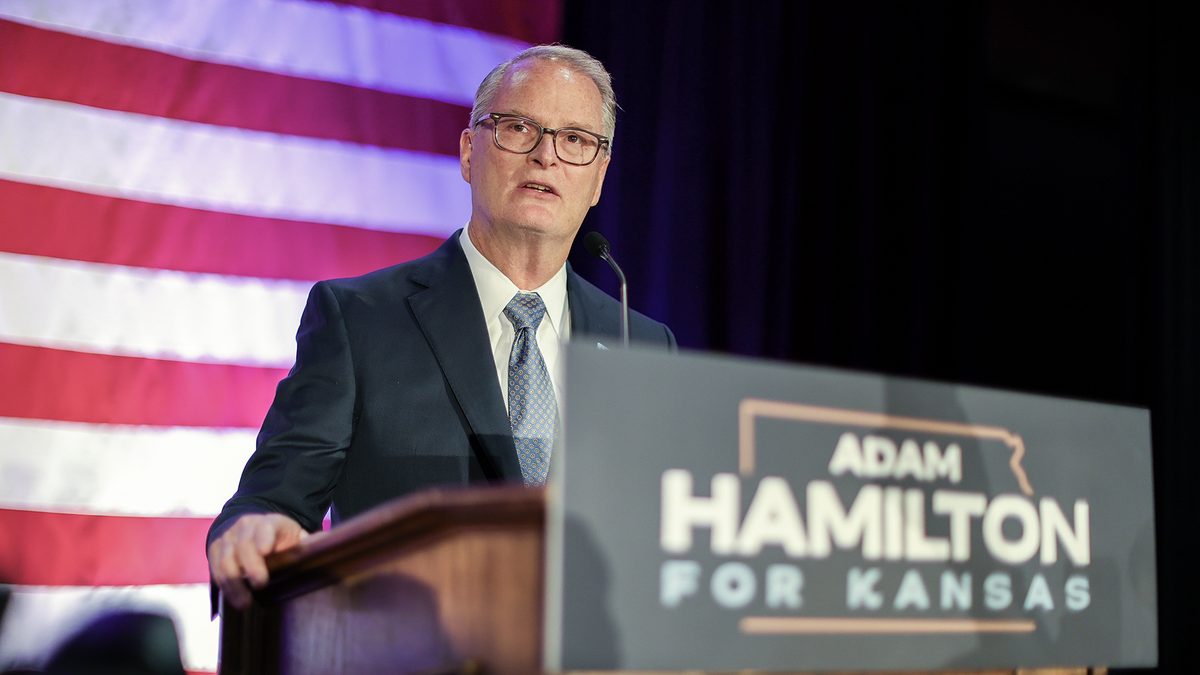
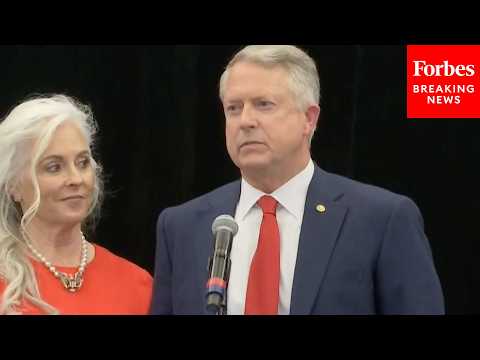
Kansas had not sent a Democrat to the U.S. Senate since 1932. On Nov. 3, 2026, voters ended that 94-year streak, electing Methodist pastor Adam Hamilton over Republican incumbent Roger Marshall.

Hamilton led 50.9% to 46.1% with 98.5% of the expected vote counted, in a race that cost about $110 million, the most expensive in Kansas history. His win narrows Republicans' Senate majority and tests whether a self-described "independent-minded Democrat" can hold a red-state seat.

Why it matters

Kansas has a Democratic senator for the first time since 1932, narrowing the Republican majority and adding a senator who vows to buck his party.

Questions about this story

Free account needed to ask — your question is kept and asked for you right after sign-up. Answers are public.

No questions yet — be the first to ask.

Key Indicators

94
Years since last Democratic Senate win
Kansas Democrats had not won a U.S. Senate race since George McGill in 1932.
50.9%
Hamilton's vote share
With 98.5% of the expected vote counted (NBC News, Nov. 4).
$110M
Total campaign spending
The most expensive Senate race in Kansas history.
$65M
Democratic TV and digital ad spending
Republicans spent $45 million on ads, according to AdImpact.
25,000
Members of Hamilton's church
Church of the Resurrection is the largest United Methodist congregation in the country.

Voices

Curated perspectives — historical figures and your fellow readers.

Sign up to generate historical perspectives on this story.

People Involved

Organizations Involved

Timeline

September 2026 November 2026

7 events Latest: Yesterday
Tap a bar to jump to that date
  1. Hamilton wins Kansas Senate seat

    Latest Election

    Hamilton beats Marshall, 50.9% to 46.1% with 98.5% of the expected vote counted, the first Democratic Senate win in Kansas since 1932.

  2. Trump holds second Kansas rally

    Campaign

    Trump returns to Kansas days before the election to campaign for Marshall.

  3. Vance rallies for Marshall

    Campaign

    Vice President JD Vance visits Kansas and calls Hamilton 'Chuck Schumer's stooge.'

  4. Trump rallies in Kansas for Marshall

    Campaign

    The president headlines a rally to boost Marshall's turnout.

  5. NPR: Hamilton leads several polls

    Polling

    NPR reports Hamilton has led Marshall in multiple surveys.

  6. Poll shows competitive Kansas Senate race

    Polling

    A Nextstar Media Kansas poll finds the race tightening as Trump's approval sags.

  7. Hamilton's challenge draws national attention

    Campaign

    CNN reports Republicans are worried about the Kansas race as Hamilton gains traction.

Scenarios

1

Hamilton Votes Against Schumer for Democratic Leader

Likely Resolves by Jan 31, 2027

Discussed by: Hamilton's campaign statements; NPR and KCCI reporting

Hamilton said repeatedly he would not support Chuck Schumer for another term as Democratic leader. When the new Congress organizes in January 2027, Senate Democrats hold a leadership vote. If Hamilton follows through, he starts his term by opposing his party's floor leader.

2

Hamilton Breaks With Democrats on a Major Senate Vote

Possible Resolves by End of 2027

Discussed by: Political analysts cited by NPR and CNN

Hamilton campaigned as an 'independent-minded Democrat' and avoided national party figures. The test comes on a high-profile floor vote, such as appropriations or a judicial nomination, where he sides with Republicans. One defection would not change control, but it would define his brand.

3

Hamilton Wins Reelection in 2028

Uncertain Resolves by End of 2028

Discussed by: Kansas political observers; national election analysts

Kansas Democrats have won statewide when national conditions favor them, then lost when the wave recedes. Hamilton's 2028 race tests whether his personal brand can survive a less favorable national environment. Republicans will likely target the seat.

Historical Context

3 moments from history that rhyme with this story — and how they unfolded.

November 1932

George McGill (1932)

George McGill, a Wichita attorney, won a Kansas Senate seat as Franklin Roosevelt carried the country. He was the last Democrat Kansans sent to the Senate.

Then

McGill served one full term.

Now

He lost his 1938 reelection bid, and no Kansas Democrat won a Senate race for the next 94 years.

Why this matters now

Hamilton's win is the first since McGill's, and the same question hangs over it: was this a one-off wave or a durable shift?

November 1974

Bob Dole's Near-Loss (1974)

In the first election after Watergate, Republican Bob Dole won a second Senate term by less than 2 percentage points. It was the closest Kansas Senate race in decades.

Then

Dole held the seat.

Now

Dole became Republican leader and the 1996 presidential nominee. Kansas Republicans still won.

Why this matters now

It shows Kansas will elect Democrats in wave years but has usually snapped back. Hamilton's test is whether 2026 is a wave or a realignment.

2018 and 2022

Laura Kelly's Governor Wins (2018, 2022)

Kansas elected Democrat Laura Kelly governor in 2018 and reelected her in 2022, even as Trump carried the state by double digits.

Then

Kelly won as a moderate Democrat.

Now

The wins showed a bloc of Kansas moderates will split their tickets.

Why this matters now

Hamilton's coalition of moderates and independents mirrors Kelly's, and his win tests whether it extends to federal races.

Sources

(9)