
Pull to refresh
Logo
Dangote, Ethiopia, and Djibouti break ground on $660m fuel pipeline

Dangote, Ethiopia, and Djibouti break ground on $660m fuel pipeline

Built World

A 120km pipeline links Djibouti's port to Ethiopian storage, cutting fuel transit from five days to one.

Today: Project specs made public

Overview

Updated 1 hour ago

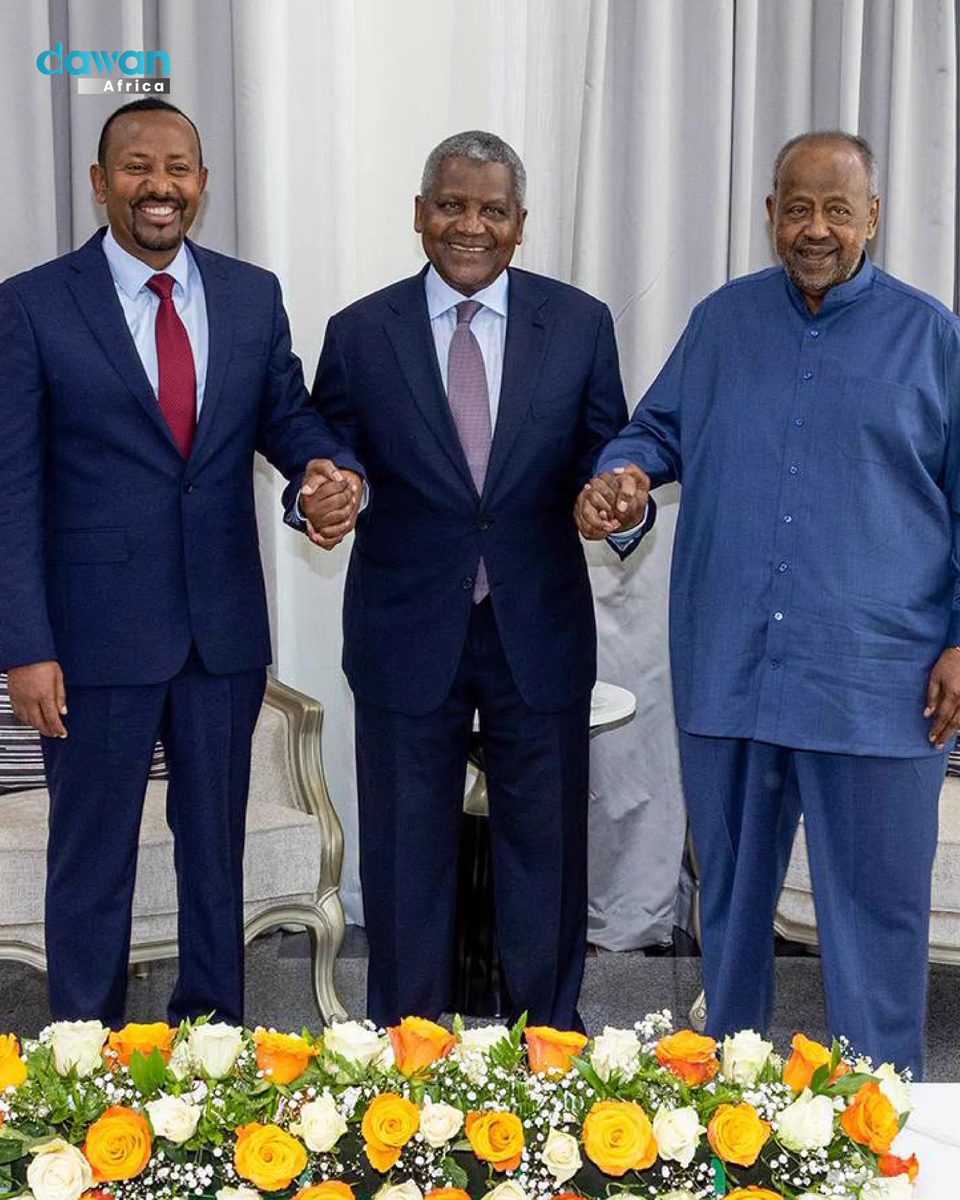
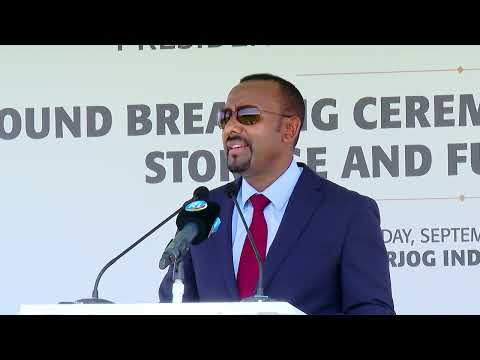
Ethiopia is landlocked, so every litre of imported fuel reaches Addis Ababa by road tanker from Djibouti—a five-day drive. On Thursday, Ethiopian Prime Minister Abiy Ahmed, Djiboutian President Ismail Omar Guelleh, and Nigerian billionaire Aliko Dangote broke ground on a pipeline that cuts that trip to one day.

The $660 million project runs 120km from Djibouti's Damerjog port to Dewele on the Ethiopian side of the border, with more than a million cubic metres of storage at both ends. It will move jet fuel, diesel, and petrol, and is expected to start operations within 18 months.

Why it matters

Five days of trucking now becomes one for Ethiopia's imported fuel, cutting costs and securing supply for 120 million people.

Questions about this story

Free account needed to ask — your question is kept and asked for you right after sign-up. Answers are public.

No questions yet — be the first to ask.

Key Indicators

$660 million
Project cost
Pipeline plus storage terminals at Damerjog and Dewele.
120 km
Pipeline length
Runs from Djibouti's Damerjog port to Dewele near the Ethiopian border.
1 day
New fuel transit time
Down from five days by road tanker between port and Addis Ababa.
5 million tonnes
Annual handling capacity
Petroleum products moved per year at full operation.

Voices

Curated perspectives — historical figures and your fellow readers.

Ever wondered what historical figures would say about today's headlines?

Sign up to generate historical perspectives on this story.

People Involved

Organizations Involved

Timeline

2 events Latest: Today
  1. Project specs made public

    Today Announcement

    Reports detail the 120km route, storage capacity, and an 18-month target for operations.

  2. Groundbreaking for $660m Damarjog–Dewele pipeline

    Construction

    Abiy Ahmed, Ismail Omar Guelleh, and Aliko Dangote lay the foundation stone at Damerjog Industrial Park.

Scenarios

1

Pipeline completed on schedule, fuel flows by spring 2028

Likely Resolves by Mar 24, 2028

Discussed by: Project developers and the Ethiopian government, citing the 18-month target

Financing is in place through Ethiopian Investment Holdings and Dangote Group, and the route is short at 120km. If terrain, procurement, and security hold, the line begins commercial operations within 18 months, cutting transit to one day and lowering fuel costs across Ethiopia.

2

Financing or security setbacks stall construction

Possible Resolves by Mar 24, 2028

Discussed by: Regional analysts tracking Horn of Africa tensions and project financing

The Horn of Africa corridor has faced instability, and large infrastructure projects routinely meet cost overruns. A security incident near the border, a funding shortfall, or a partner dispute could push the completion date past 2028 or pause work on part of the route.

3

Success triggers corridor expansion deeper into Ethiopia

Possible Resolves by Sep 24, 2029

Discussed by: Ethiopian Investment Holdings and Dangote Group officials

If the line works as designed, the same partners may extend it inland beyond Dewele toward Addis Ababa or add storage capacity. Dangote's parallel $4 billion fertiliser project and refinery expansion plans give him reason to deepen Ethiopian infrastructure ties.

Historical Context

3 moments from history that rhyme with this story — and how they unfolded.

2000–2003

Chad–Cameroon Pipeline (2003)

A consortium built a 1,070km crude pipeline from landlocked Chad's Doba oil fields to Cameroon's Atlantic coast, with World Bank backing and revenue-sharing rules attached.

Then

Chad began exporting oil and collecting royalties within a year of startup, though disputes over revenue use followed.

Now

It became the template for landlocked African states using a neighbor's coastline to move energy, complete with governance conditions.

Why this matters now

The same landlocked-to-coast logic now runs in reverse: Ethiopia imports refined fuel through Djibouti instead of exporting crude, but the infrastructure-for-access bargain is identical.

2010–2017

China–Myanmar oil pipeline (2017)

China built a 771km pipeline from Myanmar's Kyaukphyu port to Kunming, letting landlocked Yunnan province receive crude without transiting the Strait of Malacca.

Then

Yunnan gained a direct crude supply and China reduced its dependence on a single maritime chokepoint.

Now

The line became a model of using overland pipe to offset a landlocked supply vulnerability.

Why this matters now

Ethiopia is applying the same strategic logic: a pipeline from Djibouti's port removes reliance on road tankers and insulates fuel supply from border and corridor disruptions.

2021–present

East African Crude Oil Pipeline (2021–)

Uganda and Tanzania began building a 1,443km heated crude pipeline from Lake Albert to the port of Tanga, giving landlocked Uganda an export route.

Then

Construction has faced financing gaps, land disputes, and environmental opposition, stretching the timeline.

Now

It shows both the strategic appeal and the practical friction of major East African energy corridors.

Why this matters now

EACOP is the region's cautionary example: ambitious cross-border energy pipelines can slip years past schedule, a risk the Damarjog–Dewele project's short 120km route is designed to avoid.

Sources

(10)