


Japanese American Internment Under the Alien Enemies Act (1942)
Following Pearl Harbor, President Franklin Roosevelt invoked the Alien Enemies Act and signed Executive Order 9066, authorizing the internment of approximately 120,000 people of Japanese ancestry—two-thirds of them American citizens. The government arrested nearly 9,000 Japanese immigrants under the Act specifically, along with 11,500 German and 3,000 Italian detainees.
The Supreme Court upheld the internment in Korematsu v. United States (1944), citing wartime necessity and deference to military judgment.
Congress formally apologized in 1988 and paid $20,000 to each surviving internee. The Civil Liberties Act acknowledged the internment resulted from "race prejudice, war hysteria and a failure of political leadership." The Korematsu decision was effectively overruled in Trump v. Hawaii (2018).
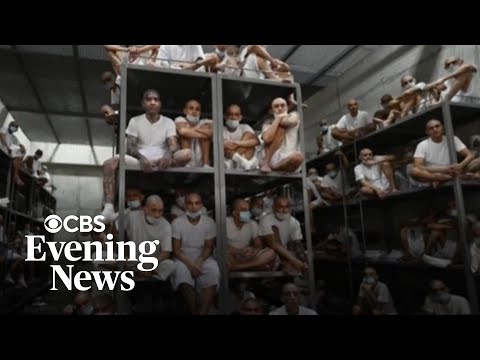
The current case marks the first attempt to use the Alien Enemies Act since World War II. Critics argue that targeting a criminal gang—rather than nationals of a country the U.S. is at war with—represents a more dramatic expansion of executive power than even internment.