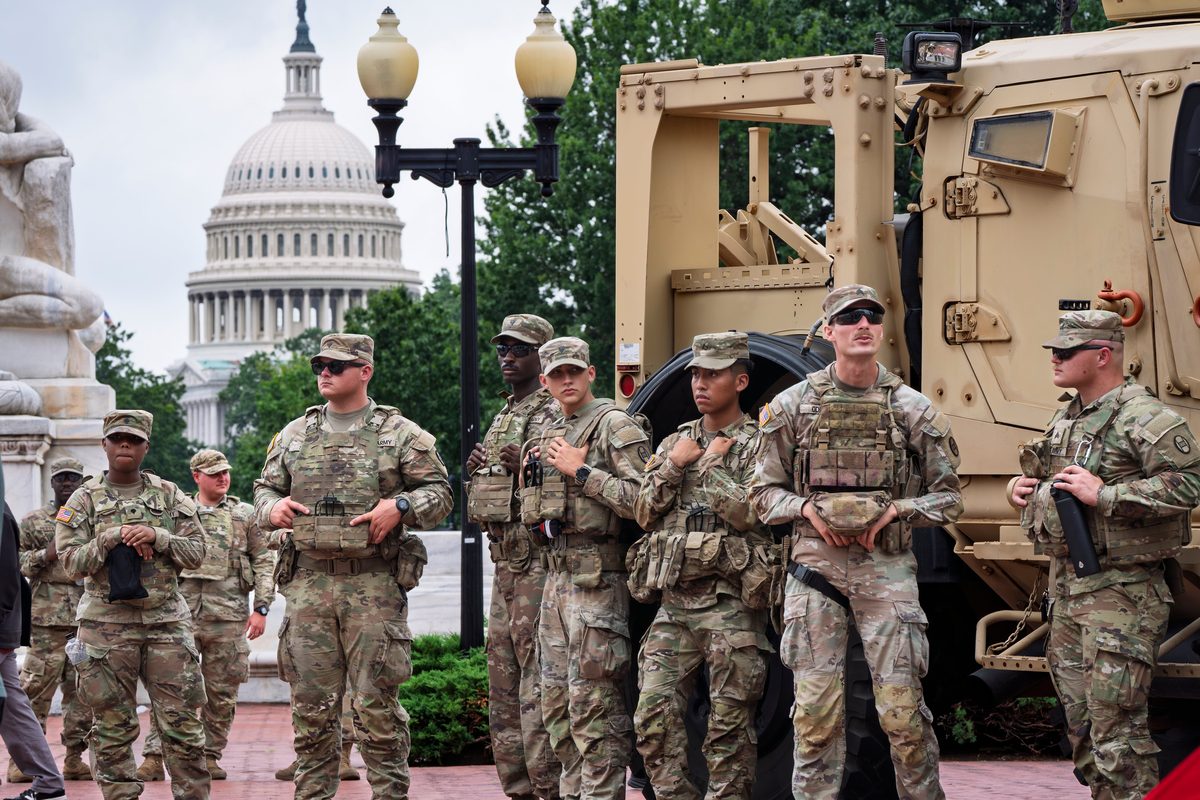
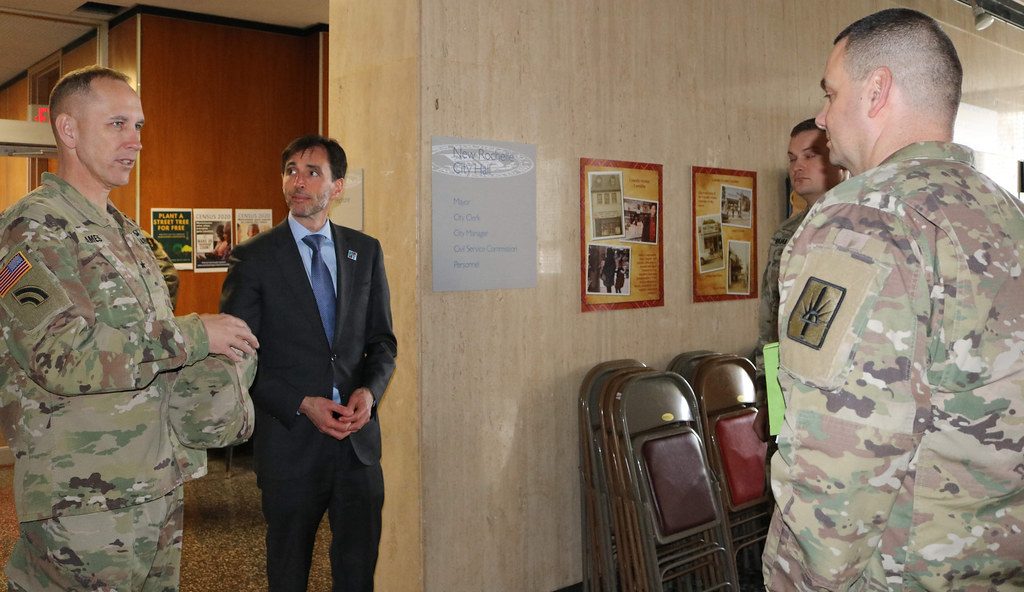
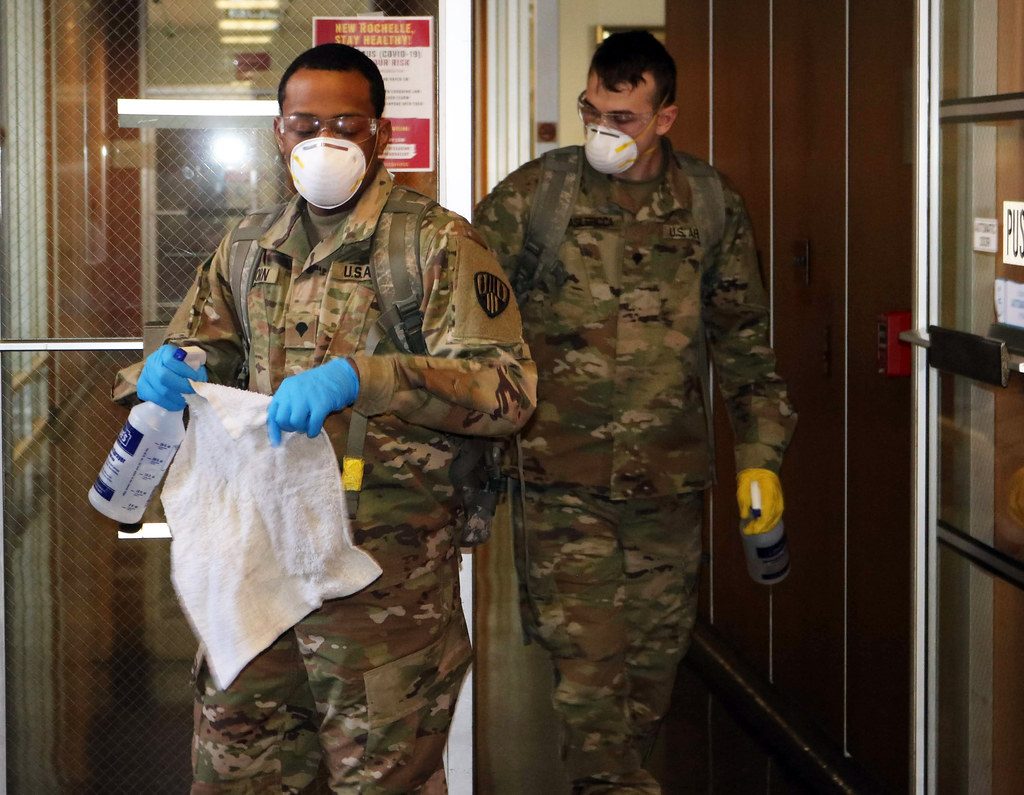
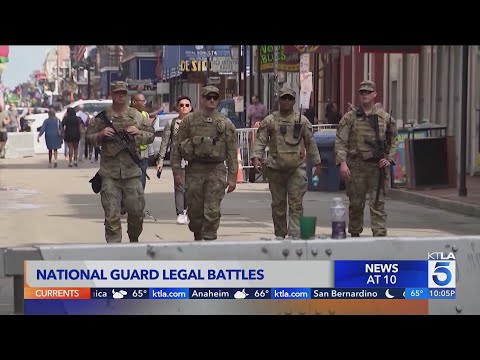
The last time a president invoked the Insurrection Act to deploy federal troops in American cities was 1992, during the Los Angeles riots. President Trump has deployed over 10,000 National Guard troops and active-duty Marines to six cities since June 2025—without invoking that law. The Congressional Budget Office now reports the seven-month operation cost taxpayers $496 million, with ongoing deployments projected to add $93 million monthly.
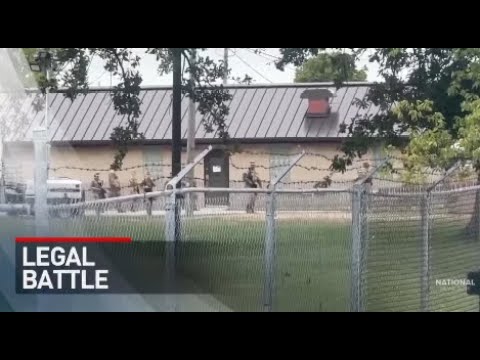
Federal judges have ruled the deployments unlawful in four of the six cities, and the Supreme Court blocked troops from entering Chicago in December. Yet soldiers remain on the streets of Washington, D.C., Memphis, and New Orleans. The legal, fiscal, and constitutional questions raised by this unprecedented peacetime domestic military presence remain unresolved.
Questions about this story
Free account needed to ask — your question is kept and asked for you right after sign-up. Answers are public.
No questions yet — be the first to ask.
Key Indicators
$496M
Total 2025 Cost
Congressional Budget Office estimate for June-December 2025 deployments across six cities.
10,000+
Peak Personnel
National Guard troops and active-duty Marines deployed to American cities.
$93M/month
Ongoing Cost
Projected monthly cost to maintain current deployment levels through 2026.
4 of 6
Court Losses
Cities where federal or state judges ruled deployments unlawful.
15 events
Latest: January 29th, 2026 · 8 months ago
Showing 8 of 15
JK to step
Tap a bar to jump to that date
Jump to
January 2026
CBO Reports $496 Million Cost
LatestReport
Congressional Budget Office releases analysis showing 2025 deployments cost $496 million, with D.C. operations alone at $232 million. Projects $93 million monthly ongoing costs.
December 2025
Trump Ends Three City Deployments
Policy Change
Following court losses, Trump announces end to National Guard operations in Los Angeles, Chicago, and Portland. Deployments continue in D.C., Memphis, and New Orleans.
New Orleans Deployment Begins
Deployment
350 National Guard troops deploy to New Orleans at Governor Landry's request, making it the only deployment with gubernatorial consent.
Supreme Court Blocks Chicago Deployment
Legal Ruling
In 6-3 ruling, Supreme Court finds administration "failed to identify a source of authority" for Illinois deployment. Justices Alito, Thomas, and Gorsuch dissent.
Appeals Court Allows D.C. Deployment to Continue
Legal Ruling
Appeals court rules D.C.'s unique federal status gives president broad authority over Guard deployments there, allowing troops to remain through at least February 2026.
November 2025
D.C. Federal Judge Rules Deployment Unlawful
Legal Ruling
Judge Jia Cobb rules Washington deployment not lawful, but stays decision 21 days for appeal. Administration appeals November 26.
Tennessee Judge Blocks Memphis Deployment
Legal Ruling
State court judge issues preliminary injunction against Tennessee National Guard deployment, finding no evidence of rebellion or invasion.
October 2025
Senate Democrats Request CBO Investigation
Congressional Action
Senator Merkley leads 11 colleagues in requesting Congressional Budget Office analysis of deployment costs.
Troops Begin Chicago Operations
Deployment
300 Illinois National Guard members deploy to Chicago against Governor Pritzker's wishes to assist federal immigration agents.
September 2025
Memphis Deployment Ordered
Executive Action
Trump signs memorandum directing National Guard deployment to Memphis, citing crime concerns despite city reporting 25-year crime lows.
Federal Judge Rules LA Deployment Unlawful
Legal Ruling
Judge Charles Breyer rules the Los Angeles deployment violated the Posse Comitatus Act, finding "no rebellion" and that civilian law enforcement could handle protests.
August 2025
Trump Declares D.C. Crime Emergency
Executive Action
Trump issues executive order declaring crime emergency in Washington, D.C., and deploys 800 National Guard troops. He cites need to "rescue" the capital despite declining crime statistics.
June 2025
Active-Duty Marines Deployed
Escalation
Pentagon activates 700 Marines from Camp Pendleton for Los Angeles deployment, marking first active-duty combat troops used in domestic law enforcement in decades.
Trump Orders First National Guard Deployment
Executive Action
Trump orders 2,000 National Guard troops to Los Angeles. Governor Newsom threatens lawsuit, calling the federalization "illegal and immoral."
Los Angeles Immigration Protests Begin
Triggering Event
Protests erupt in Los Angeles after Immigration and Customs Enforcement raids. Some turn violent; clashes continue through June 7.
Scenarios
1
Courts Force Full Withdrawal
Possible
Discussed by: Legal analysts at SCOTUSblog, Brennan Center, Lawfare
Ongoing litigation produces definitive rulings that deployments violate the Posse Comitatus Act and that the president's "protective power" argument is invalid. The administration withdraws remaining troops rather than face contempt proceedings. This would establish binding precedent limiting future domestic military deployments without Insurrection Act invocation.
2
D.C. Becomes Permanent Military Presence
Likely
Discussed by: Appeals court ruling, military analysts, Washington Post
The December appeals court ruling suggested the administration is "likely to win" the D.C. case given the district's unique federal status. If upheld, the president could maintain indefinite military presence in the capital without local consent. The CBO projects this would cost $660 million annually for D.C. alone.
3
Congress Restricts Deployment Funding
Unlikely
Discussed by: Senate Democrats, Roll Call, The Hill
The CBO report provides ammunition for congressional action. Democrats could attempt to attach funding restrictions to appropriations bills, requiring Insurrection Act invocation or gubernatorial consent for domestic deployments. This would face Republican opposition but could force policy debate.
4
Administration Invokes Insurrection Act
Uncertain
Discussed by: Bloomberg, legal scholars
Facing continued legal defeats, the administration formally invokes the Insurrection Act to provide clearer statutory authority. This would trigger a different legal framework and potentially stronger judicial deference, but would also escalate political controversy and historical comparison to 1992 and earlier deployments.
Historical Context
3 moments from history that rhyme with this story — and how they unfolded.
1 of 3
April-May 1992
1992 Los Angeles Riots
After the acquittal of four police officers in the Rodney King beating, riots erupted across Los Angeles. Governor Pete Wilson and Mayor Tom Bradley requested federal help. President George H.W. Bush invoked the Insurrection Act, federalized 6,000 California National Guard troops, and deployed 3,500 active-duty soldiers and Marines. It was the first federal military intervention in an American city since the 1968 King assassination riots.
Then
Over 10,000 military personnel restored order within days. The riots left 63 dead, 2,300 injured, and $1 billion in property damage.
Now
Established the modern template for federal domestic deployment: gubernatorial request, Insurrection Act invocation, time-limited mission. No president used the Insurrection Act domestically again until 2025.
Why this matters now
Trump's 2025 deployments break from this template in three ways: no gubernatorial requests (except New Orleans), no Insurrection Act invocation, and open-ended timelines. The legal challenges center on whether the president can deploy troops without these traditional safeguards.
2 of 3
September 1957
Little Rock Crisis (1957)
When Arkansas Governor Orval Faubus used the National Guard to prevent nine Black students from integrating Central High School, President Eisenhower federalized the entire 10,000-member Arkansas National Guard and deployed the 101st Airborne Division. It was the first domestic use of federal troops since Reconstruction.
Then
The nine students enrolled under military protection. Soldiers remained through the school year.
Now
Established that presidents could federalize state Guard units to enforce federal law over gubernatorial objection. Faubus closed Little Rock schools the following year rather than integrate.
Why this matters now
The 1957 deployment had clear legal basis—enforcing a Supreme Court desegregation order against state defiance. The 2025 deployments lack comparable federal law being obstructed, which is central to the legal challenges over whether "executing the laws" authority applies.
3 of 3
May-June 2020
2020 George Floyd Protests
Following George Floyd's death, protests erupted in over 200 cities. Governors in 28 states activated approximately 32,000 National Guard members under state control to support local police. President Trump threatened to invoke the Insurrection Act but never did. Minnesota's deployment alone cost $13 million.
Then
Deployments lasted days to weeks, with troops under gubernatorial command. No federal court challenges materialized.
Now
The model of governor-controlled, short-duration deployments avoided the constitutional questions now raised by the 2025 federalized operations.
Why this matters now
The 2020 response shows an alternative model: state-controlled Guard deployments that cost a fraction of the 2025 operations ($13 million in Minnesota vs. $232 million in D.C.) and avoided legal challenges because they operated within traditional authority structures.