


Pull to refresh
Logo
Eisai and Biogen launch Leqembi Iqlik autoinjector for at-home Alzheimer's treatment

Eisai and Biogen launch Leqembi Iqlik autoinjector for at-home Alzheimer's treatment

New Capabilities

Subcutaneous lecanemab is now available from the first dose, replacing a clinic-only infusion routine

Yesterday: IQLIK autoinjector launches in the US

Overview

Updated 1 hour ago

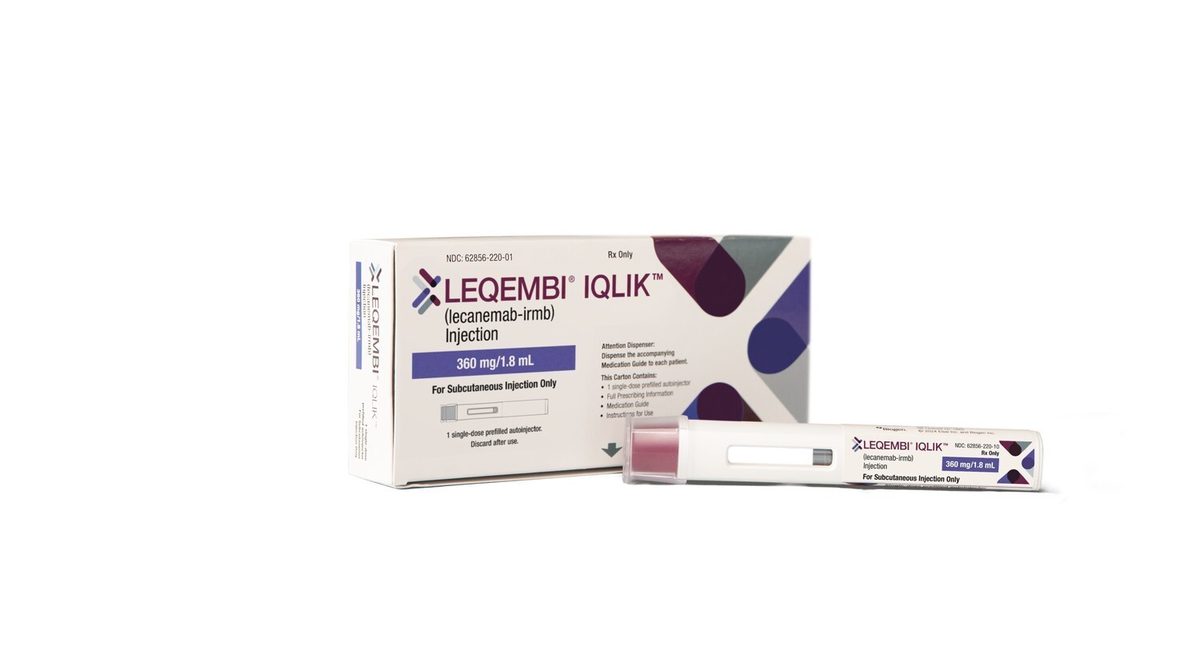
Since 2023 the Alzheimer's drug Leqembi came with a catch: patients needed intravenous infusions at a clinic every two weeks for 18 months. On August 24, Eisai and Biogen removed that hurdle, making a subcutaneous autoinjector version, LEQEMBI IQLIK, available from the very first dose.

The drug is the same — lecanemab, an antibody that clears amyloid plaques. What changed is delivery: two 15-second injections at home once a week replace a trip to the infusion center. That matters because roughly 80% of Leqembi patients need a caregiver to accompany them to those visits.

Why it matters

The biggest practical barrier to Alzheimer's treatment — clinic visits for infusions — just fell, opening the way for many more patients to start therapy.

Questions about this story

Free account needed to ask — your question is kept and asked for you right after sign-up. Answers are public.

No questions yet — be the first to ask.

Key Indicators

500 mg
Weekly induction dose
Two 250 mg subcutaneous injections given once a week at the start of therapy.
94%
Patients and care partners rating the autoinjector easy to use
From an Eisai acceptability study of the device.
80%
Patients needing a caregiver at infusion visits
Share of people on anti-amyloid therapy who had a caregiver accompany them to the clinic, per clinician reporting.
18 months
Time before the lower maintenance dose applies
After 18 months of treatment, patients can move to a 360 mg weekly maintenance dose.
15 sec
Time per injection
Each 250 mg injection delivers in about 15 seconds.

Voices

Curated perspectives — historical figures and your fellow readers.

Ever wondered what historical figures would say about today's headlines?

Sign up to generate historical perspectives on this story.

Play

Exploring all sides of a story is often best achieved with Play.

Most of these play right now — no account needed. Sign up to save scores, keep a streak, and unlock Debate and Predict. Log in Sign Up
Predict 3 ways this could play out. Back the one you believe — contrarian picks score more when a scenario has a resolution date. Log in to play

People Involved

Organizations Involved

Timeline

January 2023 August 2026

5 events Latest: Yesterday
Tap a bar to jump to that date
  1. IQLIK autoinjector launches in the US

    Latest Launch

    Eisai and Biogen make the at-home subcutaneous version available from the first dose for early Alzheimer's patients.

  2. FDA approves IQLIK as an initiation dose

    Regulatory

    The agency clears once-weekly subcutaneous lecanemab from the start of treatment, backed by exposure-equivalence data.

  3. FDA approves IQLIK for maintenance dosing

    Regulatory

    The autoinjector clears the agency for use after 18 months of IV or subcutaneous treatment.

  4. FDA confirms Leqembi's benefit

    Regulatory

    The agency converts accelerated approval to traditional approval after a confirmatory trial showed slower cognitive decline.

  5. FDA approves Leqembi IV under accelerated approval

    Regulatory

    The first anti-amyloid drug to win approval since Aduhelm, cleared for patients with early Alzheimer's.

Historical Context

3 moments from history that rhyme with this story — and how they unfolded.

2001–2010

Multiple sclerosis goes self-injected (2000s)

MS disease-modifying drugs, once given by infusion, moved to self-injected pens patients could use at home. This cut clinic visits dramatically and became the standard for a generation of patients.

Then

Adherence and patient independence improved across the MS population.

Now

It established the regulatory and usability framework for at-home biologic delivery in chronic neurologic disease.

Why this matters now

Alzheimer's care is now following the same path, with elderly patients and caregivers managing treatment at home.

2013–2019

Herceptin moves from IV to subcutaneous (2013–2019)

Roche turned its breast cancer blockbuster Herceptin into a five-minute subcutaneous injection, approved in Europe in 2013 and the US in 2019. The shift cut administration time from roughly 90 minutes to minutes and let some patients get treatment at home.

Then

Subcutaneous Herceptin captured a large share of the patient base in Europe within a few years.

Now

It proved a major biologic could move from IV to home injection without losing efficacy, setting the template for drug delivery innovation.

Why this matters now

IQLIK follows the same playbook for Alzheimer's — the identical drug molecule in a more convenient format.

2021–2024

Aduhelm's failed launch (2021–2024)

Biogen's first Alzheimer's antibody won accelerated approval in 2021 despite murky trial data and a controversial price. Medicare refused broad coverage, sales collapsed, and Biogen withdrew the drug, writing off billions.

Then

Aduhelm's failure chilled the anti-amyloid market and shaped Medicare reimbursement decisions.

Now

It raised the bar for proving benefit, pushing Leqembi toward a stricter trial design and more cautious rollout.

Why this matters now

Leqembi's slow adoption after 2023 shows efficacy alone does not drive uptake — delivery logistics do. IQLIK targets that lesson directly.

Sources

(7)