
Pull to refresh
Logo
Alaska Airlines adds four Anchorage routes, including first Tokyo nonstop in decades

Alaska Airlines adds four Anchorage routes, including first Tokyo nonstop in decades

New Capabilities Austin, TX local

Saturday service to Austin, Dallas and Nashville plus daily narrow-body flight to Japan begin summer 2027

Overview

Updated 1 hour ago

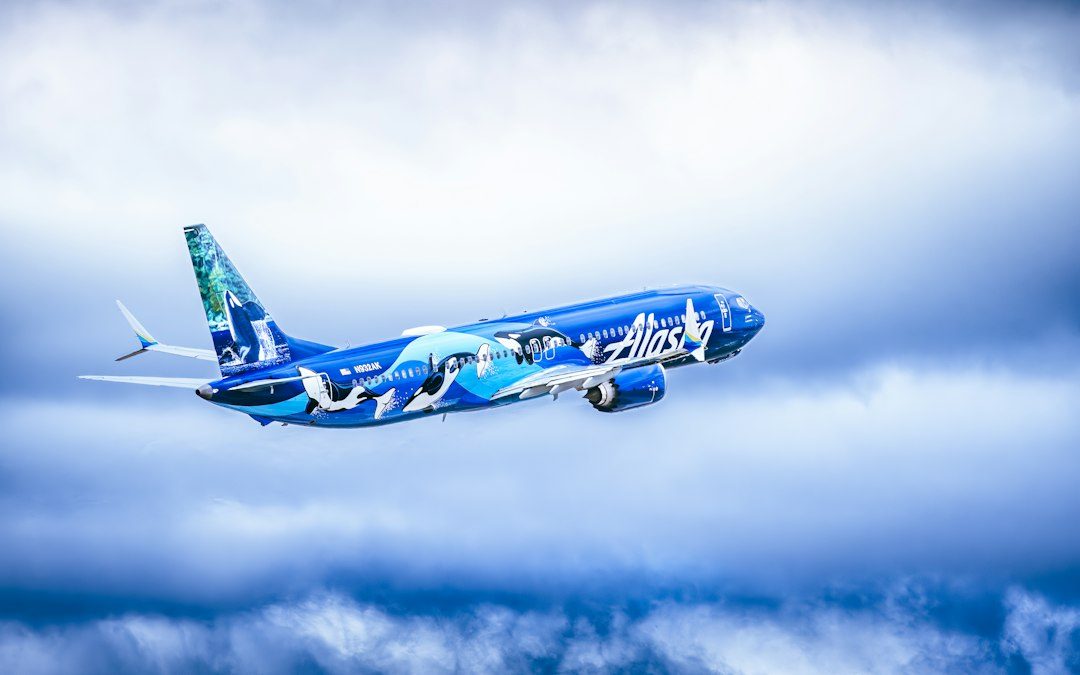
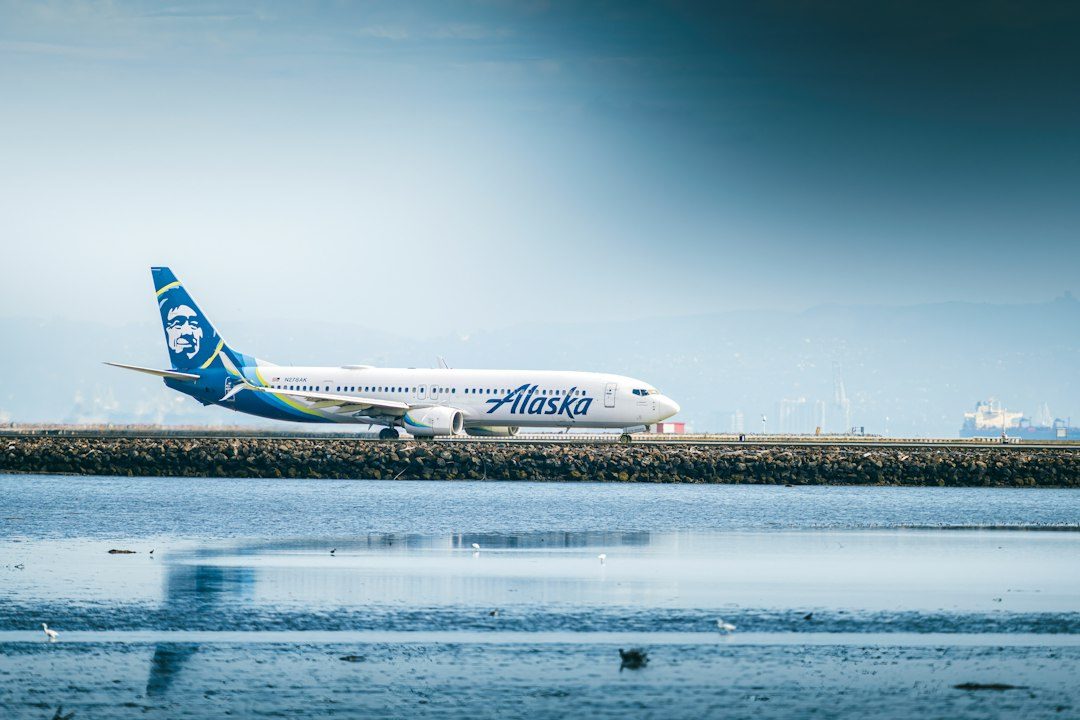
A trip from Austin to Anchorage now takes at least nine hours and a connection. Next summer, Alaska Airlines will fly it nonstop — every Saturday from mid-June to early August — as part of a four-route expansion of its Anchorage hub.

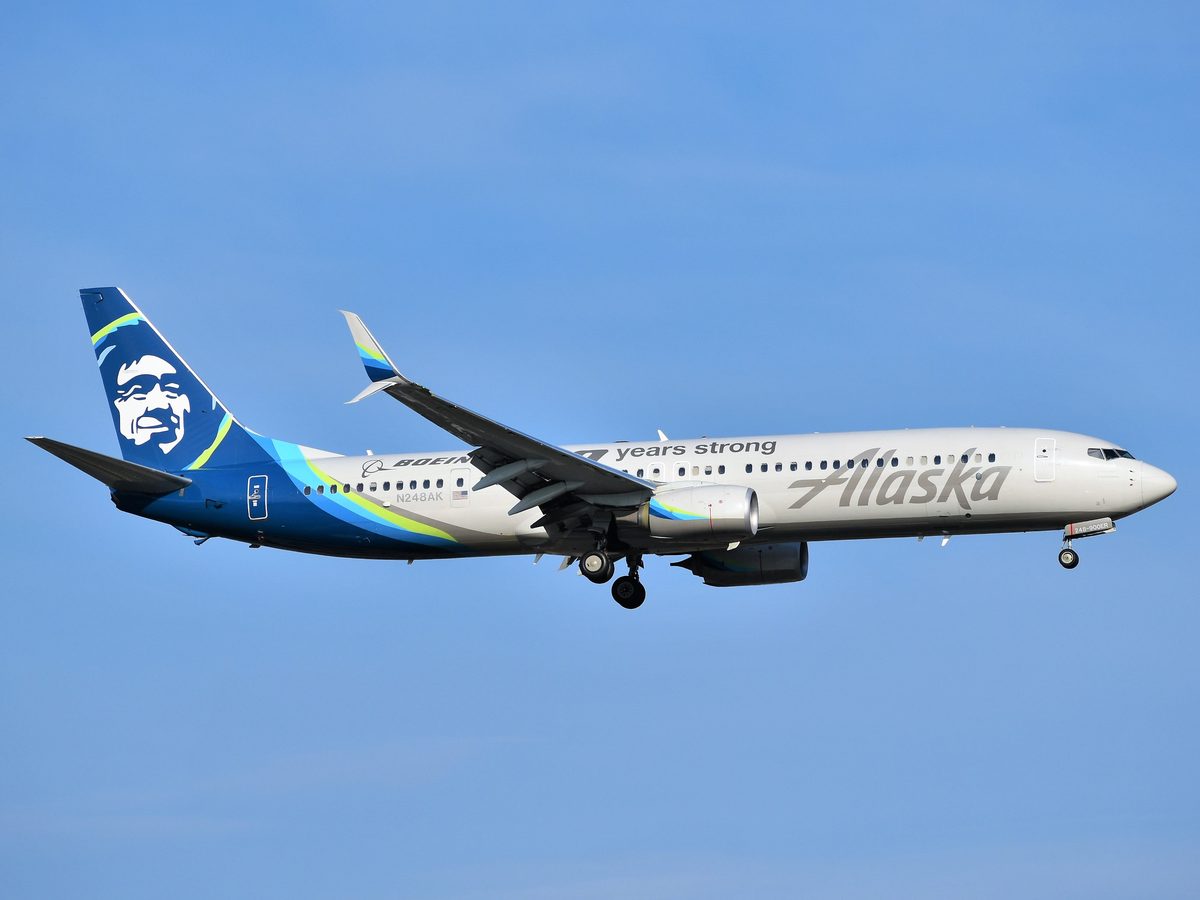
The bigger bet is the fourth route: the first Anchorage-to-Tokyo nonstop in decades, flown by a Boeing 737 MAX 8 rather than a wide-body jet. It revives a role Anchorage lost in the 1990s, when longer-range planes skipped its refueling stop and ended the airport's era as a transpacific gateway.

Why it matters

Austin travelers get a direct summer route to Alaska, while Alaska Airlines bets a narrow-body jet can revive Anchorage as a Tokyo gateway.

Monday: what changed in Austin, TX

One short email a week with the openings, closings, permits and council votes we covered. Free. Unsubscribe in one click.

Questions about this story

Free account needed to ask — your question is kept and asked for you right after sign-up. Answers are public.

No questions yet — be the first to ask.

Key Indicators

4
New routes announced from Anchorage
Tokyo plus Austin, Dallas and Nashville, all beginning between May and June 2027.
3,433 mi
Length of Anchorage-Tokyo route
Flown by a narrow-body 737 MAX 8, unusually long for a trans-Pacific passenger flight.
$330
Starting one-way fare, Austin-Anchorage
Lowest fare shown on Alaska's booking site for the new Saturday service.
167
Seats per 737 MAX 8
16 first class, 36 extra-legroom and 115 standard economy seats.

Voices

Curated perspectives — historical figures and your fellow readers.

Sign up to generate historical perspectives on this story.

People Involved

Organizations Involved

Timeline

2024 June 2027

5 events Latest: Yesterday
Tap a bar to jump to that date
  1. Austin, Dallas and Nashville service scheduled to begin

    Upcoming Scheduled

    Saturday service on all three U.S. routes is set to run through August 7, 2027.

  2. Anchorage-Tokyo service scheduled to begin

    Upcoming Scheduled

    Daily ANC-Narita flights are set to run through September 7, 2027, resuming three times weekly in January 2028.

  3. Anchorage four-route expansion announced

    Latest Announcement

    Alaska Airlines unveils daily Anchorage-Tokyo service plus Saturday routes to Austin, Dallas and Nashville, all on the 737 MAX 8.

  4. Alaska launches Seattle-Tokyo Narita

    Expansion

    Alaska's first transpacific route from its Seattle hub, a foundation for its Japan growth strategy.

  5. Alaska-Hawaiian merger closes

    Corporate

    Alaska Airlines completes its merger with Hawaiian Airlines, gaining wide-body aircraft and Hawaii-Japan routes.

Scenarios

1

Anchorage expansion launches as planned

Likely Resolves by Jun 20, 2027

Discussed by: The Points Guy, Cirium schedule data, Alaska Airlines executives

All four routes begin on schedule: daily Anchorage-Tokyo from May 13 and Saturday Austin, Dallas and Nashville service from June 12, 2027. Bookings open and the summer flights fill. The Tokyo route becomes Alaska's first narrow-body trans-Pacific operation.

2

Alaska trims or cancels one of the four routes

Possible Resolves by Apr 30, 2027

Discussed by: Aviation analysts tracking 737 MAX delivery constraints and demand on thin summer-only routes

Delays in 737 MAX 8 deliveries or softer-than-expected bookings push Alaska to drop one of the smaller routes — likely the Saturday-only Texas or Tennessee services — or to shift the Tokyo route to seasonal-only status. The carrier has cut routes before when economics didn't hold.

3

Tokyo narrow-body route fails to resume in January

Uncertain Resolves by Jan 15, 2028

Discussed by: The Points Guy and schedule analysts noting the route's 3,433-mile length and domestic-configured aircraft

The Anchorage-Tokyo service operates through its summer season but is dropped before the planned January 2028 resumption, either for low demand or because the MAX 8's range and payload limits make the winter flight uneconomical. Alaska would fall back to its Seattle-Tokyo wide-body service.

Historical Context

2 moments from history that rhyme with this story — and how they unfolded.

1989–1993

The 747-400 ends Anchorage's transpacific fuel stop (1989–1993)

Through the 1980s, carriers like JAL, KLM, Air France and SAS stopped at Anchorage to refuel on transpacific routes. The Boeing 747-400, with roughly 7,000 miles of range, let Northwest and United fly nonstop between the U.S. and Japan, and the Anchorage stop vanished from schedules by the early 1990s.

Then

Anchorage lost its role as a transpacific passenger gateway; scheduled passenger service between Alaska and Japan ended.

Now

The airport shifted to cargo, becoming a top global air freight hub. No airline flew an Anchorage-Tokyo passenger nonstop for about three decades.

Why this matters now

Alaska Airlines' new MAX 8 route reverses that history — a narrow-body with just enough range to fly Anchorage-Tokyo nonstop and make the economics work without a wide-body jet.

2025

Alaska launches Seattle-Tokyo Narita service (2025)

Alaska Airlines flew its first long-haul route from Seattle — a nonstop to Tokyo Narita — marking its first transpacific passenger service. It was a foundational step in the carrier's plan to build a Japan network.

Then

Alaska established a transpacific presence from its Seattle hub and began building loyalty among U.S.-Japan travelers.

Now

The carrier added Seattle-Osaka (planned for May 2027) and now Anchorage-Tokyo, and is seeking to join the American-JAL joint venture to coordinate Japan flights.

Why this matters now

The Seattle-Tokyo route showed Alaska the economics of narrow-body trans-Pacific service and set up the Anchorage expansion, which extends the same strategy to a hub that has not seen a Tokyo nonstop in decades.

Sources

(4)