
Pull to refresh
Logo
Austin ISD receives 17 defibrillators to keep student-athletes safe

Austin ISD receives 17 defibrillators to keep student-athletes safe

New Capabilities Austin, TX local

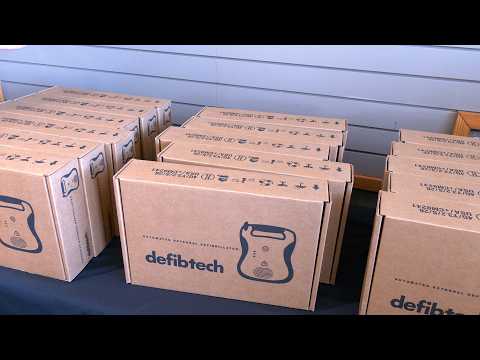
The $111,500 donation funds 17 automated external defibrillators for district athletic venues

Yesterday: AISD receives $111,500 for 17 defibrillators

Overview

Updated 1 hour ago

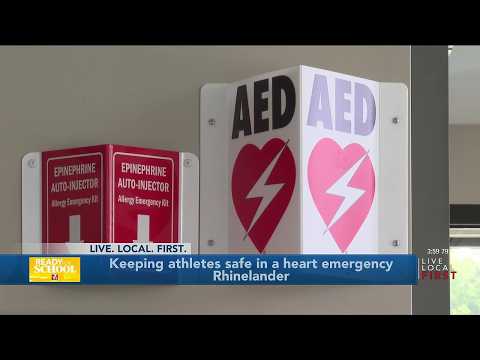
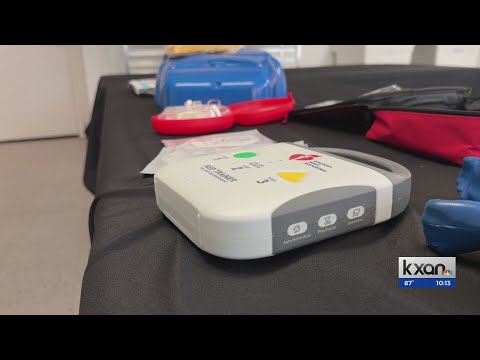
Austin ISD Athletics received $111,500 to buy 17 automated external defibrillators. These portable devices shock a heart back into rhythm during cardiac arrest. The contribution targets student-athlete safety at district athletic venues.

Sudden cardiac arrest is the leading cause of death among young athletes. Each minute without defibrillation cuts survival by roughly 10%. The new units put help closer to more playing fields and gyms.

Why it matters

Each minute without a shock cuts cardiac arrest survival by up to 10%. AISD's 17 new defibrillators shorten that timer at more fields and gyms.

Monday: what changed in Austin, TX

One short email a week with the openings, closings, permits and council votes we covered. Free. Unsubscribe in one click.

Questions about this story

Free account needed to ask — your question is kept and asked for you right after sign-up. Answers are public.

No questions yet — be the first to ask.

Key Indicators

$111,500
Total donation for AEDs
Contribution to Austin ISD Athletics for cardiac safety equipment.
17
Automated external defibrillators
Number of AEDs funded by the donation for athletic venues.
≈$6,559
Cost per device
Donation divided by 17 AEDs, covering equipment and related costs.

Voices

Curated perspectives — historical figures and your fellow readers.

Ever wondered what historical figures would say about today's headlines?

Sign up to generate historical perspectives on this story.

Organizations Involved

Timeline

1 event Latest: Yesterday
  1. AISD receives $111,500 for 17 defibrillators

    Latest Donation

    Austin ISD Athletics announces $111,500 to buy 17 AEDs for student-athlete safety.

Scenarios

1

AISD installs all 17 defibrillators at athletic venues

Likely Resolves by Q2 2027

Discussed by: Austin ISD officials and local school safety advocates

Austin ISD Athletics installs the 17 devices at stadiums, gyms, and practice fields, trains coaches and staff on use, and completes the deployment within the current school year. Local media would report the installations as venues are equipped.

2

New AISD defibrillator helps save first life

Uncertain Resolves by End of 2027

Discussed by: Local media and cardiac safety advocates

A cardiac arrest occurs at an AISD athletic event and one of the new AEDs is used to revive the person before EMS arrives. Whether this happens depends on the statistical chance of a cardiac event at a covered venue, which is rare but rises with thousands of athletes and spectators.

3

AISD expands cardiac safety beyond athletics

Possible Resolves by End of 2027

Discussed by: District officials and public health advocates

The donation prompts additional funding from donors or the district budget to place AEDs at non-athletic sites such as elementary schools, fine arts facilities, or administrative buildings. AISD would announce a broader cardiac readiness plan covering more of the district.

Historical Context

2 moments from history that rhyme with this story — and how they unfolded.

January 2023

Damar Hamlin Collapse (2023)

Buffalo Bills safety Damar Hamlin collapsed from cardiac arrest during a Monday Night Football game on January 2, 2023. Medical staff performed cardiopulmonary resuscitation (CPR) and used a defibrillator on the field, reviving him before he was hospitalized.

Then

Hamlin was treated and later released from the hospital after a long recovery. The nationally televised collapse prompted public discussion of cardiac readiness in sports.

Now

His survival is widely credited to immediate CPR and defibrillation, reinforcing the need for on-site AEDs at athletic venues.

Why this matters now

The case shows the difference an immediate shock can make when a young athlete's heart stops — the same scenario the AISD AEDs are designed to address.

March 1990

Hank Gathers Death (1990)

Loyola Marymount basketball star Hank Gathers collapsed during a college tournament game and died shortly after from cardiac arrest. He had a known heart condition, and no defibrillator was immediately available on the court.

Then

Gathers' death drew national attention and led to broader conversations about cardiac screening for athletes.

Now

It remains a reference point for why emergency equipment and trained responders belong at sporting events.

Why this matters now

Three decades later, the AISD donation reflects the same concern: defibrillators must be close to the field, not locked away.

Sources

(1)