

Pull to refresh
Logo
Abbott wins FDA approval for patient-facing heart failure monitoring app

Abbott wins FDA approval for patient-facing heart failure monitoring app

New Capabilities

CardioMEMS patients can now view pulmonary artery pressure readings and receive medication instructions on their smartphones

Today: FDA approves patient-facing app capabilities

Overview

Updated 1 hour ago

Heart failure patients with Abbott's implanted sensor can now see their own pulmonary artery pressure readings on their smartphones. The FDA approved the update on October 5, 2026, along with a feature that lets clinicians send medication adjustment instructions directly to patients.

For a decade, only clinicians could see this data. Rising pressure in the pulmonary artery can signal worsening heart failure weeks before symptoms appear. Giving patients direct access to that data could catch decompensation earlier and reduce hospitalizations.

Why it matters

Patients who see their own pressure trends could catch worsening heart failure weeks before symptoms, potentially avoiding hospitalizations.

Questions about this story

Free account needed to ask — your question is kept and asked for you right after sign-up. Answers are public.

No questions yet — be the first to ask.

Key Indicators

12 years
Years since CardioMEMS first FDA approval
The system was first approved in 2014; this update adds patient-facing capabilities.
$8.2B
Heart failure monitoring market size (2025)
Projected to reach $15.82B by 2034, according to market analysis cited by EveryTicker.
$19B
Abbott Medical Devices annual revenue (2024)
About 45% of Abbott's total company sales, with CardioMEMS contributing to that growth.

Voices

Curated perspectives — historical figures and your fellow readers.

Ever wondered what historical figures would say about today's headlines?

Sign up to generate historical perspectives on this story.

People Involved

Organizations Involved

Timeline

2014 October 2026

4 events Latest: Today
Tap a bar to jump to that date
  1. FDA approves patient-facing app capabilities

    Today Regulatory

    The FDA approves updates to the CardioMEMS HF System that let patients view pulmonary artery pressure readings on smartphones and receive medication adjustment instructions.

  2. Abbott launches smaller, lighter HERO reader

    Product

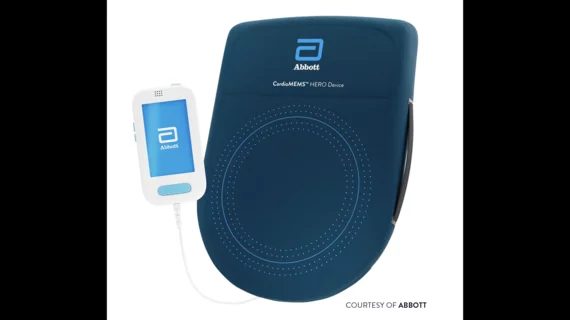
    Abbott introduces a redesigned HERO reader for CardioMEMS patients, improving the device experience.

  3. FDA expands CardioMEMS approval to NYHA Class II patients

    Regulatory

    The FDA broadens CardioMEMS approval to include earlier-stage heart failure patients.

  4. FDA first approves CardioMEMS HF System

    Regulatory

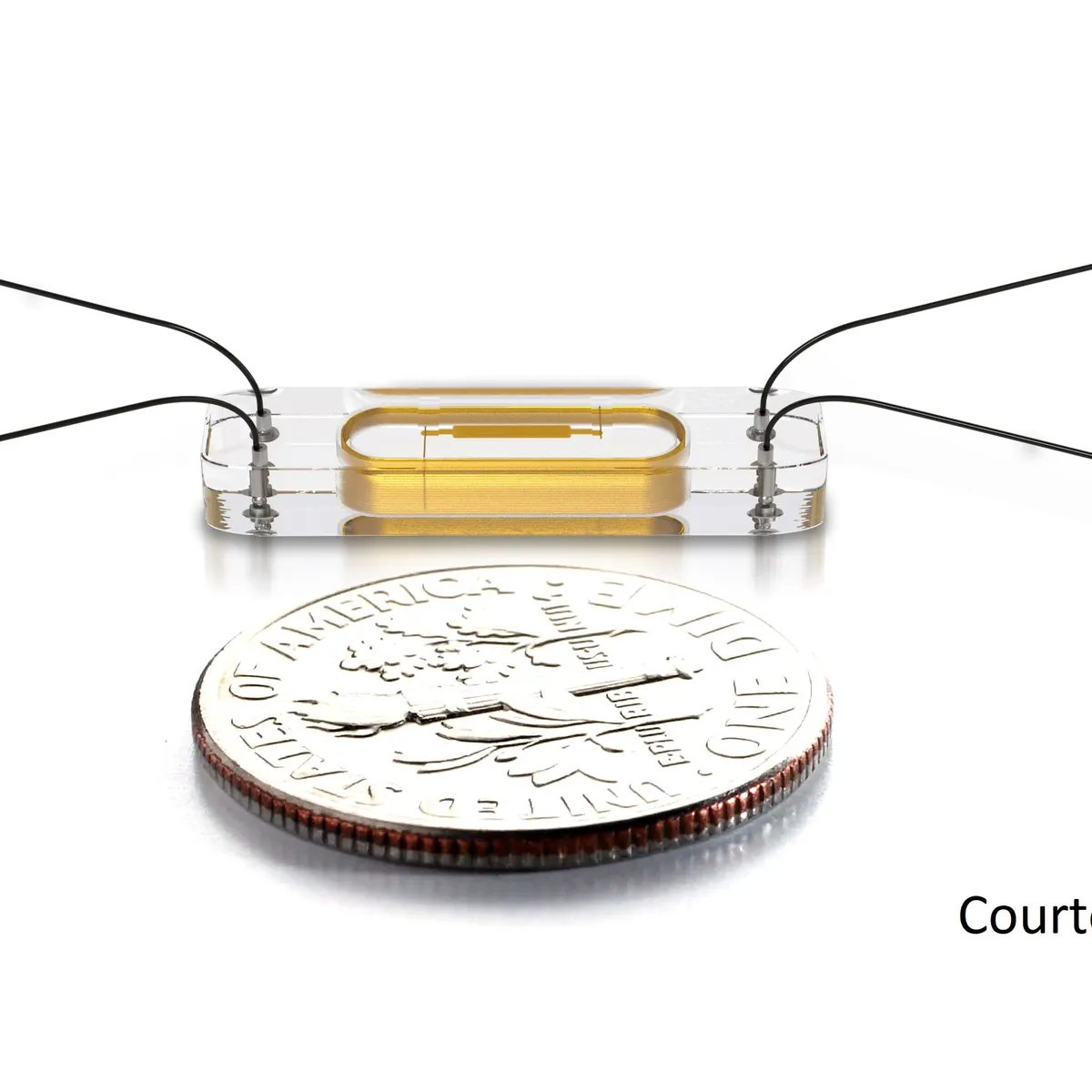
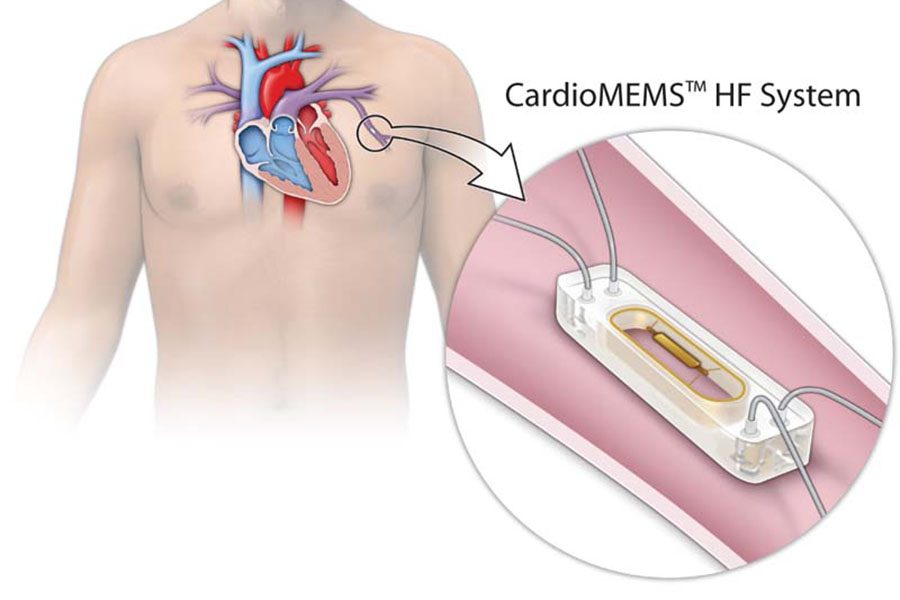
    The FDA approves Abbott's CardioMEMS HF System, a sensor implanted in the pulmonary artery that measures pressure for heart failure management.

Scenarios

1

CardioMEMS patient app drives measurable drop in heart failure readmissions

Possible Resolves by Oct 5, 2027

Discussed by: Abbott and clinical researchers

Clinicians enable the patient-facing features widely. Patients who see their pressure trends and receive medication adjustment instructions catch decompensation earlier, reducing hospitalizations. Abbott reports adoption and outcomes data in coming quarters.

2

Clinicians slow to enable CardioMEMS patient app amid workflow concerns

Possible Resolves by Oct 5, 2027

Discussed by: AllMind AI market analysis

Care teams worry that more patient-facing readings and medication changes increase staff workload. Clinician activation lags, and the feature sees limited adoption despite FDA approval.

3

Medtronic or Boston Scientific matches Abbott with patient-facing remote monitoring

Possible Resolves by Oct 5, 2027

Discussed by: EveryTicker market analysis

Competitors respond with similar patient-facing features in their remote monitoring platforms, raising the bar for the whole category. Abbott's differentiation narrows.

Historical Context

2 moments from history that rhyme with this story — and how they unfolded.

2017

FreeStyle Libre brings glucose monitoring to patients (2017)

Abbott launched the FreeStyle Libre continuous glucose monitor, which let diabetes patients see their glucose readings in real time on a reader or smartphone. Earlier CGMs required clinician interpretation; the Libre was designed for direct patient use.

Then

The Libre became one of Abbott's fastest-growing products and transformed diabetes management.

Now

It established patient-facing continuous monitoring as a viable model for chronic disease care.

Why this matters now

Abbott is applying the same patient-facing playbook to heart failure monitoring with the CardioMEMS app.

2010s

Patient portals open medical records to patients (2010s)

Hospitals began giving patients online access to their medical records, lab results, and clinician notes through patient portals. The OpenNotes movement pushed for transparency in clinical documentation.

Then

Patients gained direct access to their health data for the first time.

Now

It normalized the idea that patients should see their own clinical data, setting the stage for device data to go patient-facing.

Why this matters now

The CardioMEMS app extends this transparency trend to implantable device data.

Sources

(8)