



Pull to refresh
Logo
Kind Clinic lands $500,000 grant to expand insurance help for uninsured LGBTQ patients

Kind Clinic lands $500,000 grant to expand insurance help for uninsured LGBTQ patients

Money Moves Austin, TX local

The grant funds premium and medication help as Texas Marketplace enrollment drops following the end of enhanced ACA subsidies.

Yesterday: Kind Clinic announces $500,000 grant

Overview

Updated 1 hour ago

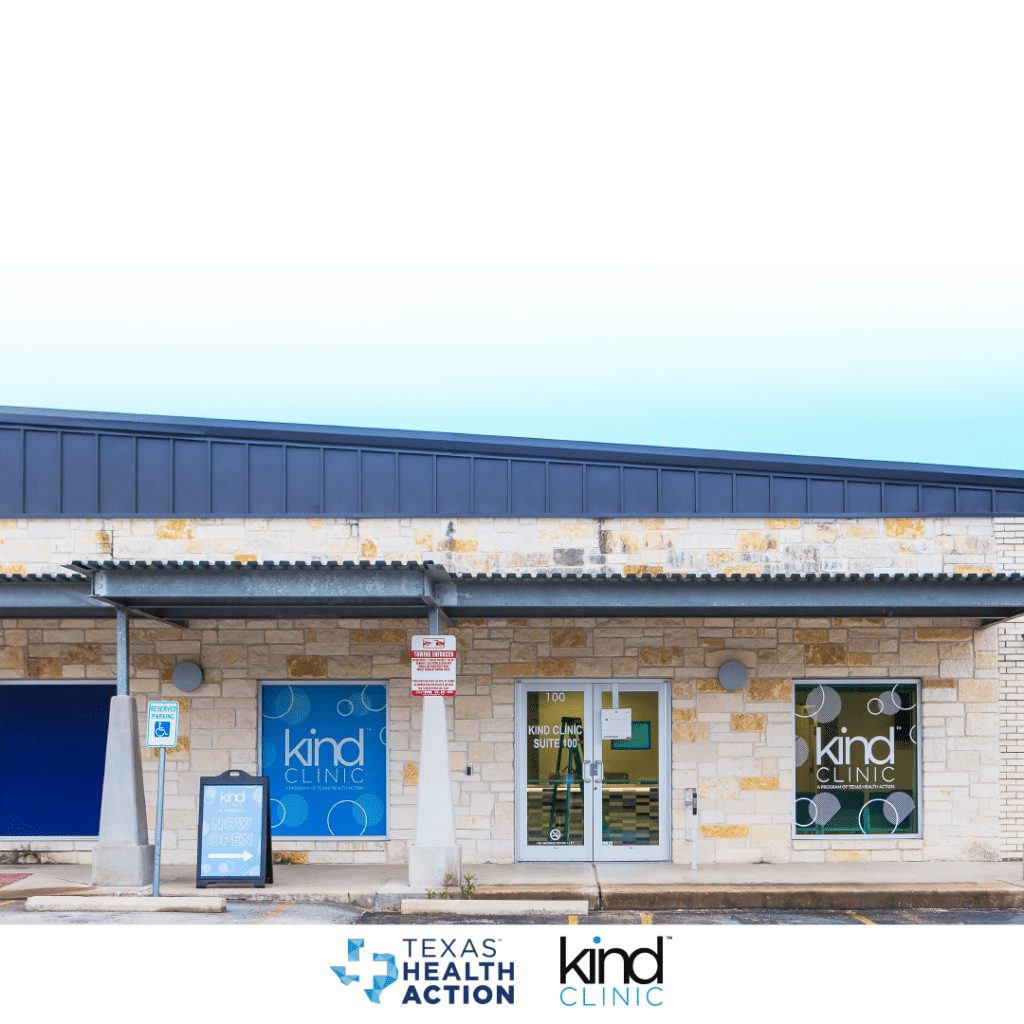
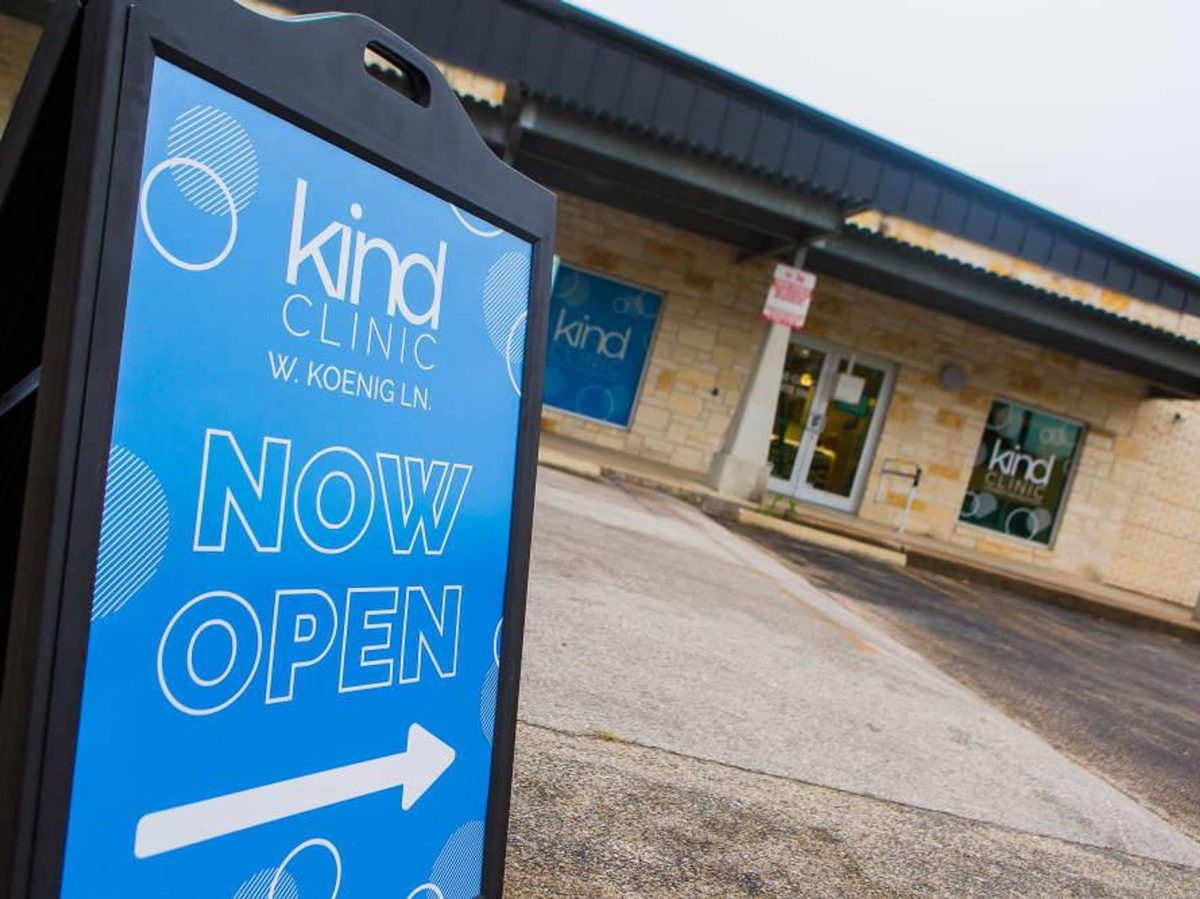
Kind Clinic's patients are about 60% uninsured, more than double the Texas rate. A new $500,000 grant from St. David's Foundation will let the Austin clinic pay premiums and cover lab and medication costs as open enrollment begins November 1.

The money goes to the Kind Patient Assistance Program, which helped nearly 900 patients in 2025 with about $600,000 in premium payments. It arrives after enhanced Affordable Care Act subsidies expired in December 2025, a change that has pushed Texas Marketplace enrollment down 4%.

Why it matters

Without restored ACA subsidies, rising premiums keep pushing uninsured LGBTQ Texans into safety-net clinics that survive on grants like this one.

Monday: what changed in Austin, TX

One short email a week with the openings, closings, permits and council votes we covered. Free. Unsubscribe in one click.

Questions about this story

Free account needed to ask — your question is kept and asked for you right after sign-up. Answers are public.

No questions yet — be the first to ask.

Key Indicators

$500,000
Grant from St. David's Foundation
Funds the Kind Patient Assistance Program's fifth year of enrollment help.
60%
Kind Clinic patients uninsured
More than double the statewide uninsured rate in 2025.
~900
Patients assisted in 2025
Received premium payments totaling close to $600,000.
4%
Texas Marketplace enrollment decline
Compared to the prior year, following the expiration of enhanced subsidies.

Voices

Curated perspectives — historical figures and your fellow readers.

Ever wondered what historical figures would say about today's headlines?

Sign up to generate historical perspectives on this story.

People Involved

Organizations Involved

Timeline

2025 October 2026

4 events Latest: Yesterday
Tap a bar to jump to that date
  1. Kind Clinic announces $500,000 grant

    Latest Funding

    St. David's Foundation grant expands insurance help for uninsured LGBTQ and HIV-impacted patients.

  2. Texas Marketplace enrollment drops 4%

    Data

    National enrollment data released this summer shows Marketplace enrollment declining after subsidy expiration.

  3. Enhanced ACA subsidies expire

    Policy

    Congressional enhancement of ACA premium tax credits ends, raising premiums for Marketplace enrollees.

  4. Kind Clinic assistance program helps nearly 900 patients

    Program report

    KPAP provides about $600,000 in premium payments to uninsured and underinsured patients.

Scenarios

1

Kind Clinic enrolls record numbers during open enrollment

Possible Resolves by Feb 28, 2027

Discussed by: Texas Health Action leadership, which publicly aims to cut the clinic's 60% uninsured rate

With the grant funding premium payments and enrollment help, the clinic assists more patients during the 2026-27 open enrollment than the nearly 900 helped in 2025. Success depends on demand and on patients' ability to afford premiums even with assistance.

2

Grant funding runs out before open enrollment ends

Possible Resolves by Jan 31, 2027

Discussed by: The clinic's 60% uninsured rate and rising premiums from the subsidy expiration

If demand is high, the $500,000 could be exhausted before open enrollment closes January 15, 2027. Patients would face waitlists or reduced premium assistance.

3

Congress restores enhanced ACA subsidies

Unlikely Resolves by Q2 2027

Discussed by: Democratic lawmakers and coverage advocates who backed the enhanced subsidies

If Congress restores the enhanced ACA premium tax credits, premiums fall and Marketplace enrollment could rebound, reducing the pressure Kind Clinic faces. Republicans control Congress entering 2027, making this an uphill push.

Historical Context

2 moments from history that rhyme with this story — and how they unfolded.

August 1990

Ryan White CARE Act (1990)

Named for Ryan White, an Indiana teen who contracted HIV through a blood transfusion and was barred from school, the law created the largest federal program for people with HIV. It funded care, medications, and support for uninsured and underinsured patients.

Then

Rapidly expanded access to HIV care for people who couldn't get it through private insurance or Medicaid.

Now

Ryan White programs still fund HIV clinics nationwide, and the model of grants filling coverage gaps persists.

Why this matters now

Kind Clinic's patient assistance program mirrors that model at a local level, using foundation grants to cover HIV prevention and care costs that insurance doesn't.

April 2023 – mid 2024

Medicaid unwinding (2023-2024)

When the COVID-19 public health emergency's continuous coverage requirement ended in March 2023, states resumed Medicaid eligibility checks. Millions of people lost coverage during the unwinding, many for procedural reasons like not returning paperwork.

Then

Safety-net clinics reported surges in uninsured patients and higher demand for charity care and enrollment help.

Now

The episode underscored how quickly coverage losses concentrate demand on clinics that rely on grants and donations.

Why this matters now

Like the unwinding, the expiration of enhanced ACA subsidies in December 2025 is a coverage-loss event that pushes uninsured patients toward safety-net clinics like Kind Clinic.

Sources

(2)