



Pull to refresh
Logo
Austin teen mental health center expands residential capacity

Austin teen mental health center expands residential capacity

New Capabilities Austin, TX local

Paradigm Treatment Austin adds 16 beds and triples staff after waitlists hit 14 kids

Yesterday: KVUE reports the expansion

Overview

Updated 1 hour ago

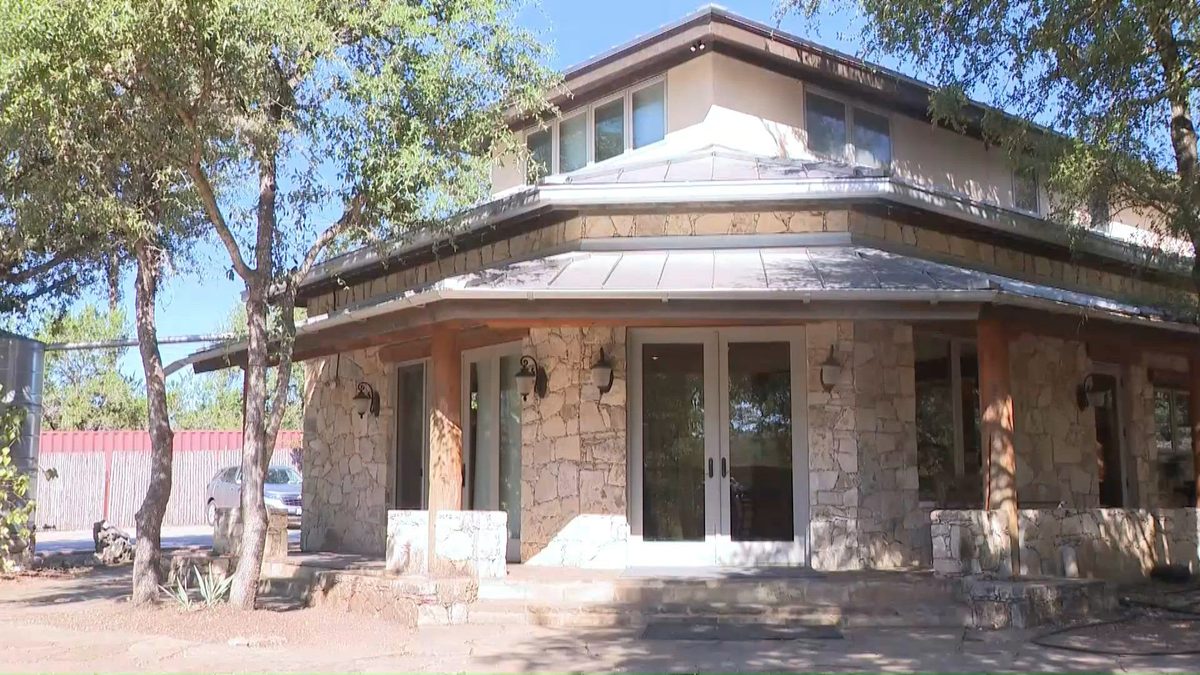
Paradigm Treatment Austin, a residential mental health center in southwest Austin, grew from 24 to 40 beds and tripled its staff to 93. Within three weeks, 36 of the 40 beds were occupied.

Teens spend five to six weeks in the program, with weekly family therapy. Waitlists reached 14 kids at the facility's former size, which drove the expansion. The center takes private insurance only; executive director Veronica Vargas said she hopes to add Medicaid.

Why it matters

Central Texas still lacks enough teen residential mental health beds, and families without private insurance stay shut out.

Monday: what changed in Austin, TX

One short email a week with the openings, closings, permits and council votes we covered. Free. Unsubscribe in one click.

Questions about this story

Free account needed to ask — your question is kept and asked for you right after sign-up. Answers are public.

No questions yet — be the first to ask.

Key Indicators

40
Residential treatment beds at Paradigm Austin
Up from 24 beds before the expansion.
36
Beds occupied on Oct 21, 2026
Ninety percent full within about three weeks of opening.
93
Staff after expansion
Roughly tripled from 32 employees.
14
Peak waitlist at former 24-bed size
The waitlist that pushed the center to expand.

Voices

Curated perspectives — historical figures and your fellow readers.

Ever wondered what historical figures would say about today's headlines?

Sign up to generate historical perspectives on this story.

People Involved

Organizations Involved

Timeline

September 2026 October 2026

3 events Latest: Yesterday
  1. KVUE reports the expansion

    Latest News

    KVUE local news covers the capacity increase and staffing growth.

  2. Ribbon cutting celebrates expansion

    Event

    Staff, state Rep. Vikki Goodwin, and executive director Veronica Vargas mark the opening at 36 of 40 beds occupied.

  3. Paradigm Treatment Austin expands to 40 beds

    Capacity Change

    The center grows from 24 to 40 residential beds and roughly triples staff to 93 employees.

Scenarios

1

Paradigm hits 40/40 and waitlists return

Likely Resolves by Q2 2027

Discussed by: KVUE; Dr. Veronica Vargas (executive director)

The center filled 36 of 40 beds within about three weeks. Vargas said waitlists reached 14 kids at the old 24-bed size. If referrals hold, the remaining four beds fill and families queue up again, showing the expansion did not close the supply gap.

2

Paradigm starts accepting Medicaid

Possible Resolves by End of 2027

Discussed by: Dr. Veronica Vargas (executive director)

Vargas said she hopes to add Medicaid, which would open the center to families who rely on the program. Texas has not expanded Medicaid, but private behavioral health providers can become Medicaid-certified. Certification and provider reimbursement rates are the main hurdles.

3

Paradigm adds intensive outpatient services

Possible Resolves by End of 2027

Discussed by: No named source; inferred from the center's stated goal of serving more families

An intensive outpatient program (IOP) treats teens who do not need round-the-clock residential care, reaching more families without adding beds. Given the continued demand and the center's residential-only model, an IOP would be a natural next step if the facility wants to grow further.

Historical Context

2 moments from history that rhyme with this story — and how they unfolded.

October 2021

AAP declares child mental health emergency (2021)

In October 2021, the American Academy of Pediatrics, the American Academy of Child and Adolescent Psychiatry, and the Children's Hospital Association declared a national state of emergency in child and adolescent mental health. They cited rising suicide rates, rising emergency visits for self-harm, and long waits for treatment.

Then

The declaration pushed some states to fund school-based mental health and crisis services.

Now

Pediatric mental health demand has stayed elevated, straining residential and inpatient capacity nationwide.

Why this matters now

This demand backdrop is why a 24-bed center in Austin had waitlists and why adding 16 beds mattered.

1955-2010s

US psychiatric deinstitutionalization (1955-2010s)

The US state psychiatric hospital census peaked near 560,000 patients in 1955. Over the following decades, most state hospitals closed or shrank sharply, with the census falling below 40,000 by the 2010s.

Then

Patients moved to community settings that were often underfunded and short on beds.

Now

A lasting shortage of psychiatric beds pushed acute care into emergency rooms and private residential programs like Paradigm.

Why this matters now

The historical bed shortage explains the high occupancy and waitlists at the expanded Austin facility.

Sources

(2)