
Pull to refresh
Logo
Austin hands Pease Park maintenance to nonprofit conservancy

Austin hands Pease Park maintenance to nonprofit conservancy

Rule Changes Austin, TX local

City Council unanimously approved shifting upkeep of all 84 acres to the Pease Park Conservancy.

Overview

Updated 1 hour ago

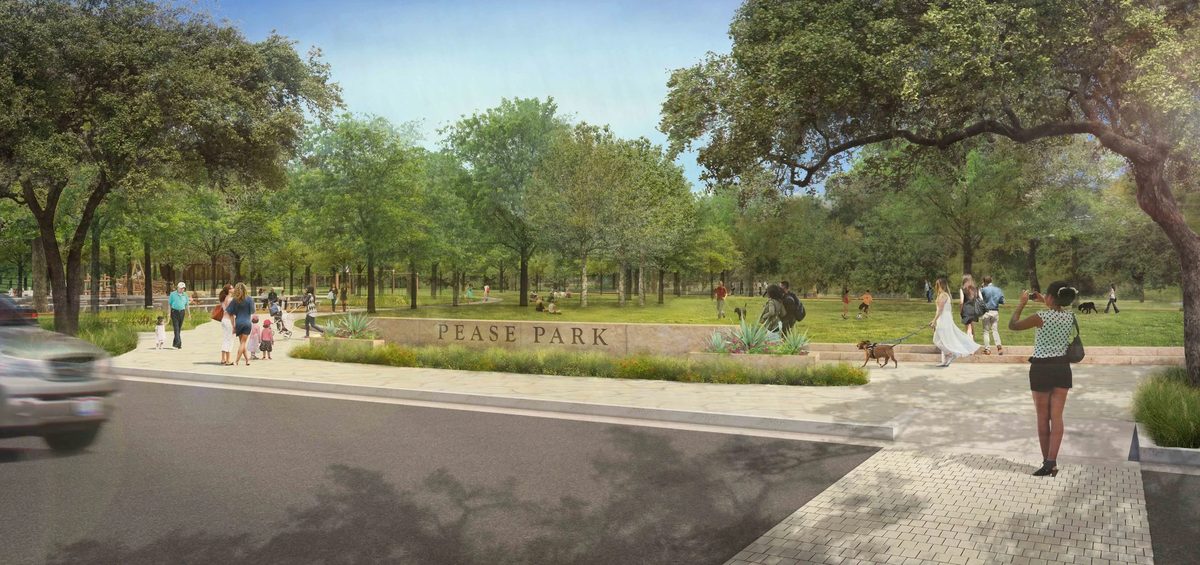
Austin's Pease Park will no longer rely on city crews for basic upkeep. The Pease Park Conservancy will take over trash collection, graffiti removal and maintenance of all 84 acres after a unanimous City Council vote on Nov. 5.

The agreement expands the nonprofit's role beyond the southern section and Kingsbury Commons it has managed in recent years. City officials say the shift frees parks department resources for other parks; the conservancy says it needed to prove it could fundraise for upkeep.

Why it matters

If the model spreads, Austin park upkeep may depend more on private fundraising and less on city crews.

Last Monday's email for Austin, TX

Sent Nov 9. It carried:

Get next Monday's: one short email a week. Free. Unsubscribe in one click.

Questions about this story

Free account needed to ask — your question is kept and asked for you right after sign-up. Answers are public.

No questions yet — be the first to ask.

Key Indicators

84 acres
Park area covered by agreement
The conservancy will maintain the entire park, not just the southern section.
Unanimous
City Council vote
All council members approved the maintenance shift.
150 years
Age of Pease Park
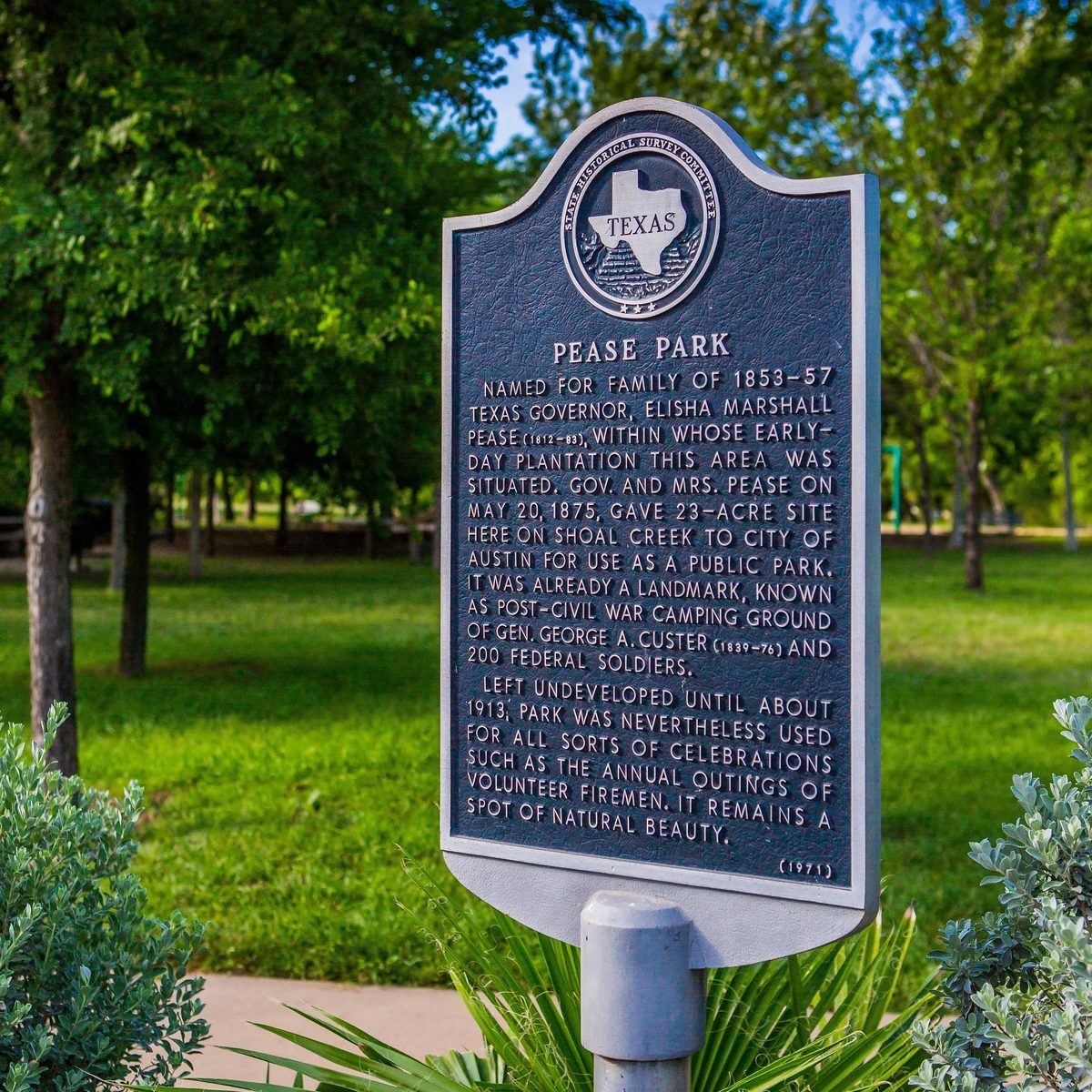
Austin's first public park marked its 150th anniversary on Nov. 9, 2026.

Voices

Curated perspectives — historical figures and your fellow readers.

Sign up to generate historical perspectives on this story.

People Involved

Organizations Involved

Timeline

3 events Latest: Yesterday
  1. KXAN reports expanded conservancy role

    Latest Media

    KXAN details the unanimous vote and the conservancy's new responsibilities.

  2. Pease Park marks 150 years

    Anniversary

    Austin's first public park celebrates its 150th anniversary.

  3. Austin City Council approves Pease Park maintenance shift

    Government

    Council members voted unanimously to let the Pease Park Conservancy maintain all 84 acres.

Scenarios

1

Conservancy raises full-year upkeep budget for Pease Park

Likely Resolves by Nov 5, 2027

Discussed by: Pease Park Conservancy and Austin Parks and Recreation Department

The conservancy must fund trash collection, graffiti removal and amenity upkeep across all 84 acres. Success would show the nonprofit model can sustain the expanded role.

2

Austin extends nonprofit maintenance model to another park

Possible Resolves by Nov 5, 2028

Discussed by: Austin City Council and parks department officials

If the Pease Park agreement works, council members could approve similar full-maintenance deals for other Austin parks. The city says the shift frees resources for other parks.

3

City reclaims some Pease Park maintenance duties

Unlikely Resolves by Nov 5, 2027

Discussed by: Austin Parks and Recreation Department

If the conservancy cannot keep up with trash, graffiti or amenity upkeep, the city could take back some responsibilities. The agreement can be revisited.

Historical Context

2 moments from history that rhyme with this story — and how they unfolded.

1980-1998

Central Park Conservancy (1980)

New York City parks faced budget cuts and deterioration. A private nonprofit, the Central Park Conservancy, was founded in 1980 and later signed a management agreement to handle maintenance and restoration.

Then

The conservancy raised private funds and took over day-to-day care.

Now

The model became a template for public-private park management across the U.S.

Why this matters now

Pease Park Conservancy's expanded role follows a similar shift from city crews to nonprofit maintenance.

1980s

Bryant Park Restoration Corporation (1980)

Bryant Park in Manhattan was seen as unsafe and underused. A private nonprofit, the Bryant Park Restoration Corporation, took over management and restoration in the 1980s.

Then

The park was renovated and private events helped fund upkeep.

Now

It became a model for business improvement districts managing public spaces.

Why this matters now

The Pease Park agreement raises the same question: can a nonprofit maintain a public park better than a city department?

Sources

(1)