Anchor

Reframe Systems leases 115,000 square feet in Billerica after raising $40 million
2 days ago: Reframe Systems picks Billerica for headquartersNew here? Follow stories to track developments over time. Create a free account to get updates when stories you care about change.
Overview
Updated 2 hours agoReframe Systems, a startup that uses robots to build homes, has leased 115,000 square feet in Billerica for a new headquarters. The company raised $40 million in venture capital to back the move.
The expansion gives Reframe room to scale its factory-built housing process. It also adds to a wave of robotics investment in Massachusetts, where Boston Dynamics is building a $100 million artificial intelligence and robotics center. The question is whether automated homebuilding can move from pilot projects to real production.
Why it matters
If robotic factory-built housing scales, it could lower construction costs and speed up homebuilding in a market where both are chronic problems.
Questions about this story
Free account needed to ask — your question is kept and asked for you right after sign-up. Answers are public.
No questions yet — be the first to ask.
Key Indicators
$40M
New venture funding
Reframe Systems raised $40 million to scale robotic housing production.
115,000 sq ft
Leased headquarters space
Reframe Systems leased 115,000 square feet in Billerica, Massachusetts.
500+
Massachusetts robotics companies
The state's robotics ecosystem includes more than 500 companies, according to the Massachusetts Technology Collaborative.
$733.9M
Venture capital in Massachusetts robotics (2022-2023)
Massachusetts robotics companies raised $733.9 million in venture capital in 2022 and 2023, according to the Massachusetts Technology Collaborative.
Related Media
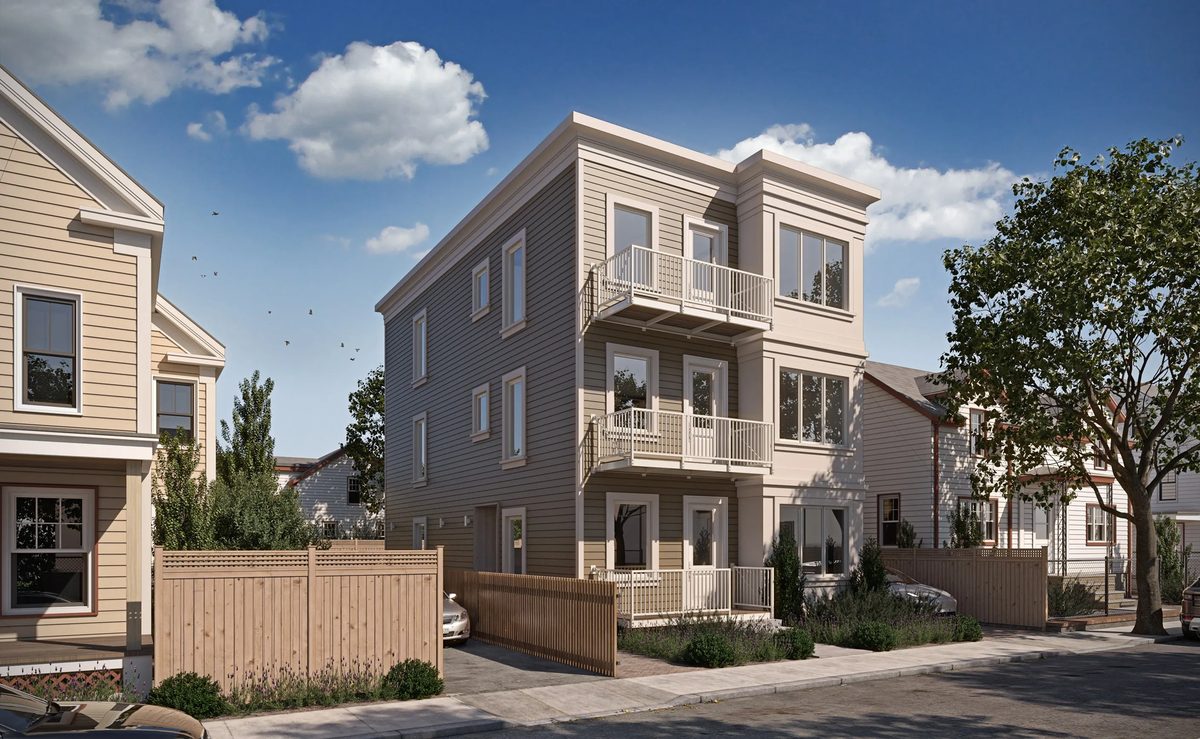
Smart Housing Solutions | Reframe Systems Products
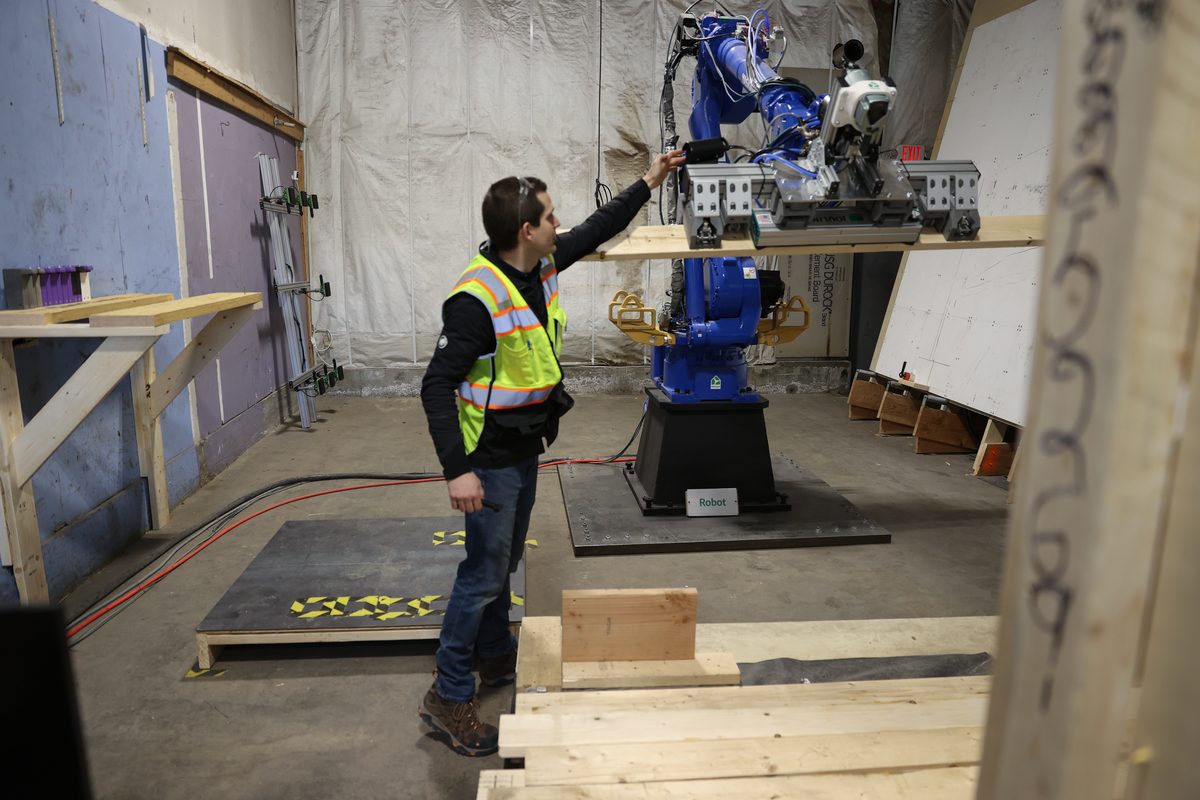
Reframe Systems wants to improve housing with the help of robots
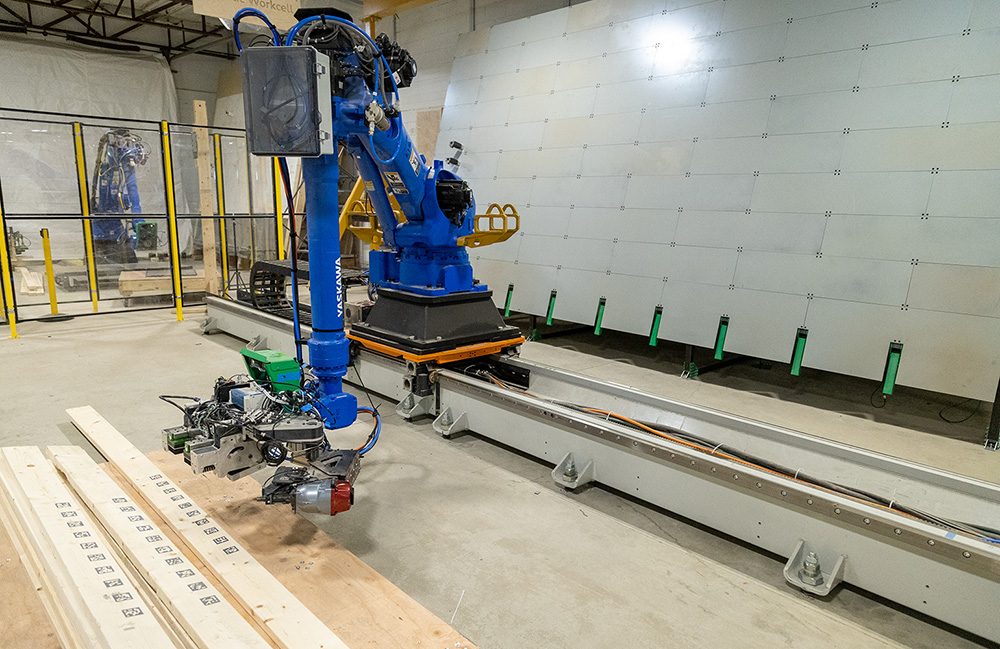
Reframe Systems wants to use robotic microfactories to change how we build homes - The Robot Report

79 views
4:15
Can robots — and a new approach to modular building
MassLive

384 views
29:15
The future of housing is local with Reframe's Vikas Enti
HousingWire
218 views
1:44
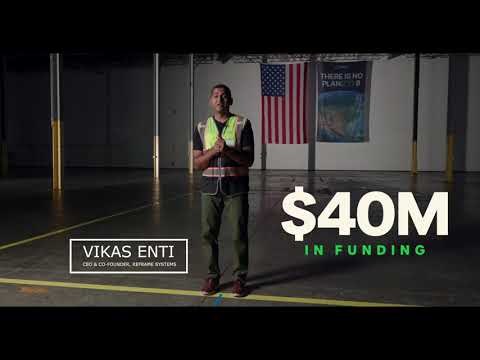
Reframe Systems raises $40 million
The Robot Report
Images from Openverse under Creative Commons licenses. Videos from YouTube.
Voices
Curated perspectives — historical figures and your fellow readers.
Play
Exploring all sides of a story is often best achieved with Play.
Most of these play right now — no account needed. Sign up to save scores, keep a streak, and unlock Debate and Predict.
Log in
Sign Up
Higher or Lower
A number from this story, against one from elsewhere in the news — guess which is bigger, then keep the chain going. 5 rounds, 3 strikes; a miss costs a strike and resets your streak.
Example
Anchor
EU tariff revenue
$52B
Big for this kind of number
Mystery
Pentagon AI contract
?
Round 1
Streak: 0
Mystery
?
Keyboard: ↓/L lower · ↑/H higher
0 pts
Best streak: 0 · Rounds: 0
0 points — sign up to put that on the leaderboard.
Now try on this story
Connections
Sixteen names from the news. Find the four hidden groups of four. Four mistakes max.
Loading today's puzzle…
0/4 groups
Mistakes
Sign up to keep a daily streak — a new puzzle lands every day.
Now try on this story
Exit debate?
Your progress in this debate will be lost.
How it works
- 1 Two AI personas square off on this story.
- 2 You predict who'll win each round — correct picks earn XP.
- 3 One crossfire question is yours to fire. Pick it carefully.
Couldn't generate a topic
Select Your Champions
Choose one persona for each side of the debate
DEBATE TOPIC
Choose personas with different perspectives for a more dynamic debate.
SIDE A (PRO)
Select debater for this side:
No debate personas available right now.
SIDE B (CON)
Select debater for this side:
No debate personas available right now.
VS
Get ready to make your prediction...
Round of
Claim
Evidence
Stakes
Crossfire Answer
Closing Statement
Claim
Evidence
Stakes
Crossfire Answer
Closing Statement
Your Crossfire Question
Generating arguments...
Who's Got This Round?
Make your prediction before the referee scores
The referee scores both sides on
Correct predictions earn +20 XP
· Press 1 or 2 to pick
Evidence
40%
Logic
30%
Detail
20%
Style
10%
Round Results
Your Pick
Not this time
(%)
Overall Score
/10
Your Pick
Not this time
(%)
Overall Score
/10
Set the Crossfire
Pick the question both personas must answer in the final round
Crafting crossfire questions...
Choosing a question earns +10 XP crossfire bonus
🏆
Total XP Earned
Cred Change
Predictions
Debate Oracle! You called every round!
Sharp Instincts! You know your debaters!
The Coin Flip Strategist! Perfectly balanced!
The Contrarian! Bold predictions!
Inverse Genius! Try betting the opposite next time!
XP Breakdown
Base completion
+20 XP
Rounds played ( rounds x 5 XP)
+ XP
Correct predictions ( correct x 20 XP)
+ XP
Crossfire bonus
+10 XP
Accuracy
%
Prediction History
Round
You picked:
✓
✗
Now try on this story
Keep debating to level up your credibility and unlock achievements
People Involved
Organizations Involved
Reframe Systems
Robotic housing manufacturer
Scaling operations
Reframe Systems builds robotic microfactories that produce modular housing components.
U.S. Department of Housing and Urban Development
Federal agency
Preparing demonstration program for robotic homebuilding
HUD is the federal agency responsible for housing policy and programs.
Timeline
June 2026 September 2026
3 events
Latest: 2 days ago
-
Reframe Systems picks Billerica for headquarters
Latest ExpansionReframe Systems leases 115,000 square feet in Billerica after raising $40 million.
-
HUD seeks robotic homebuilding demonstrations
PolicyHUD posts funding opportunity for robotics and artificial intelligence in factory-built housing.
-
Boston Dynamics plans Waltham robotics center
ExpansionBoston Dynamics announces $100 million facility in Waltham, adding 1,250 jobs by 2033.
Historical Context
3 moments from history that rhyme with this story — and how they unfolded.
1947-1951
Levittown and assembly-line homebuilding (1947-1951)
Levitt & Sons built more than 17,000 homes in Levittown, New York, using assembly-line methods and specialized crews. The company standardized designs and built at massive scale to cut costs.
Then
Levittown became a symbol of affordable postwar housing and helped define the American suburb.
Now
It showed that industrialized homebuilding can work, but it depends on cheap land, financing, and demand.
Why this matters now
Reframe's robotic factory approach is a modern attempt at the same idea: use manufacturing efficiency to build homes faster and cheaper.
2015-2021
Katerra's rise and fall (2015-2021)
Katerra raised more than $1 billion from SoftBank and others to build a construction company that controlled design, manufacturing, and assembly. It opened factories to make building components and took on projects across the United States. The company filed for bankruptcy in 2021.
Then
The collapse left unfinished projects and unpaid contractors.
Now
It made investors wary of construction-tech startups that try to do too much in-house.
Why this matters now
Reframe Systems is pursuing a similar factory-built housing model. Katerra shows how hard it is to scale construction manufacturing profitably.
1960s-present
Japan's prefab housing industry (1960s-present)
After World War II, Japan built a large prefabricated housing industry to address housing shortages. Companies like Sekisui House and Daiwa House industrialized homebuilding, producing factory-made components and entire homes.
Then
Prefab homes became a standard option for Japanese homebuyers.
Now
The industry proved that factory-built housing can be durable and popular when quality and design are controlled.
Why this matters now
Reframe's robotic factory approach is a new version of this model. Japan shows the potential; Katerra shows the risks.