

Pull to refresh
Logo
Bose acquires Skullcandy to reach younger headphone buyers

Bose acquires Skullcandy to reach younger headphone buyers

Money Moves

Deal adds a youth-focused lifestyle brand to Bose's portfolio, following its 2024 purchase of luxury audio maker McIntosh Group

Yesterday: Bose announces Skullcandy acquisition

Overview

Updated 1 hour ago

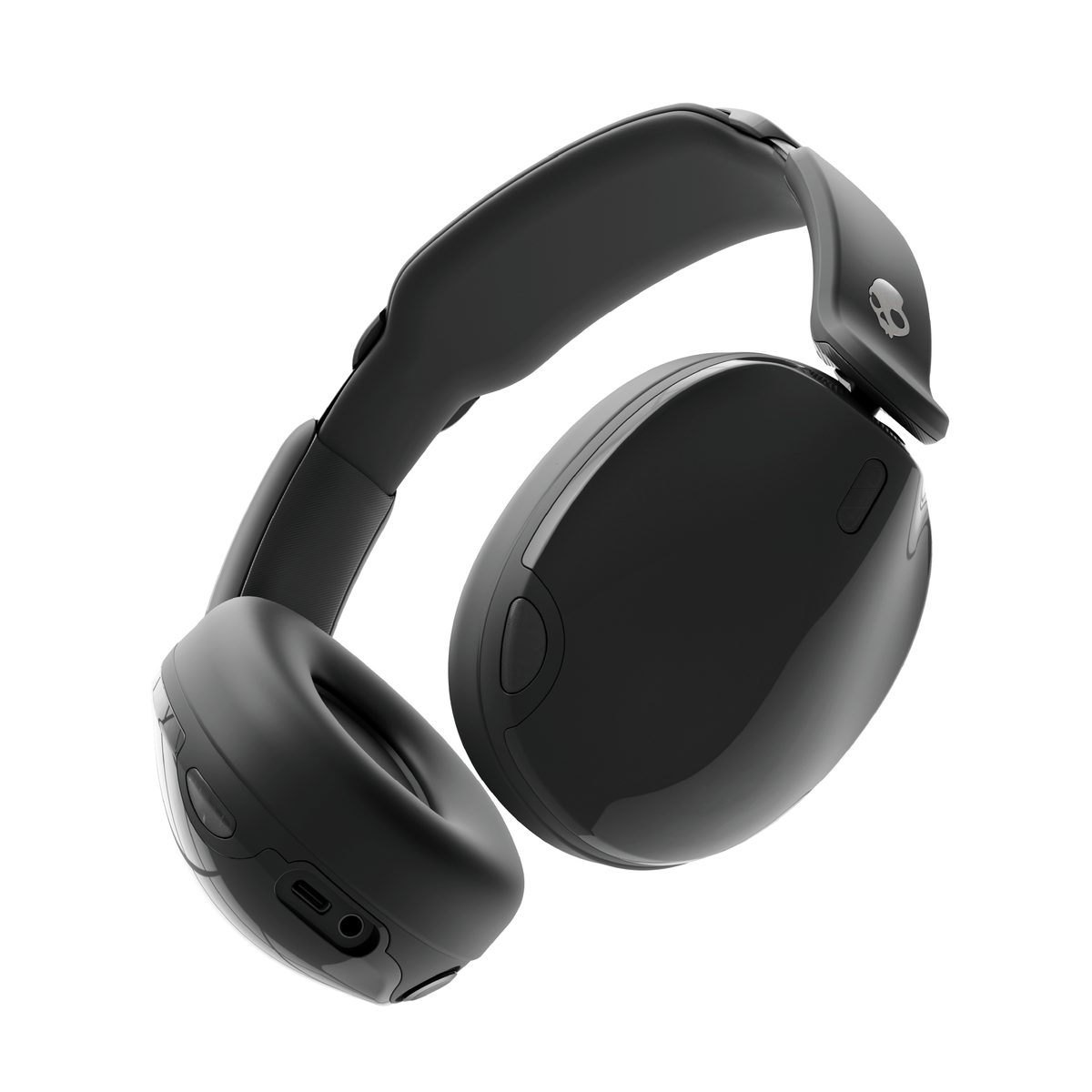
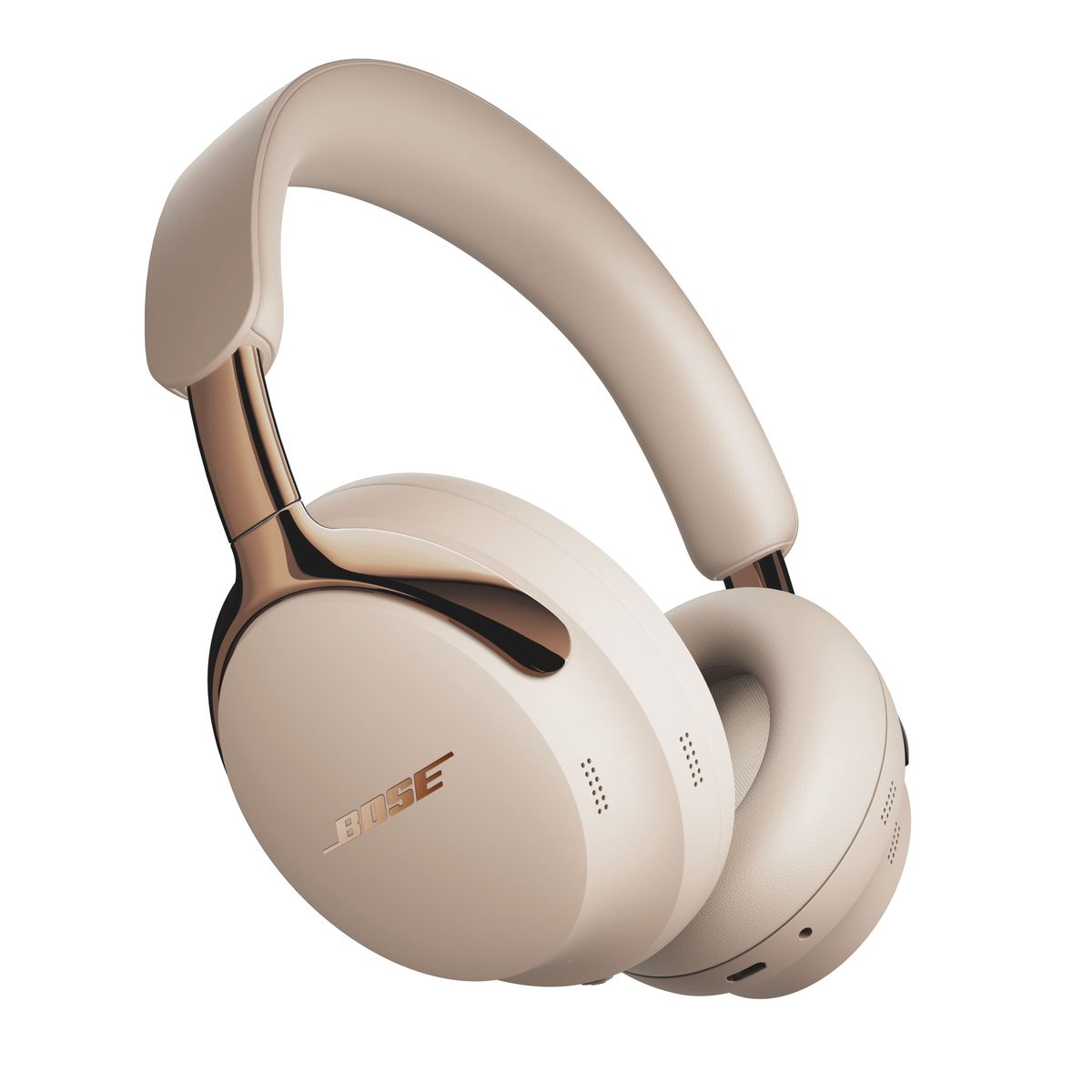
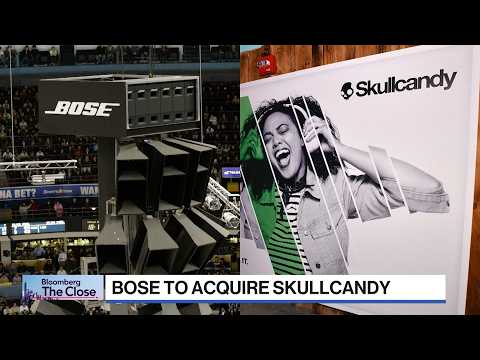
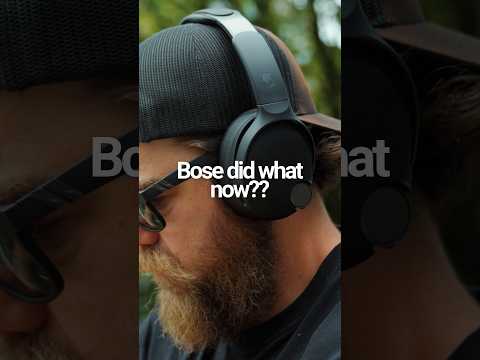
Bose announced Wednesday it's buying Skullcandy, the 23-year-old brand known for bass-heavy, affordable headphones. Skullcandy stays a separate brand inside Bose's consumer audio division and keeps its headquarters in Park City, Utah.

The deal caps a year-long partnership in which Bose lent its tuning technology to Skullcandy earbuds and headphones. It is Bose's second audio acquisition, after the 2024 purchase of luxury audio maker McIntosh Group, and gives Bose a foothold with the younger, action-sports crowd its own brand never reached.

Why it matters

Bose now reaches both luxury and budget headphone buyers under one roof, a position that could reshape pricing and brand competition across the audio market.

Questions about this story

Free account needed to ask — your question is kept and asked for you right after sign-up. Answers are public.

No questions yet — be the first to ask.

Key Indicators

4
Consumer audio brands now under Bose
Bose, McIntosh Laboratory, Sonus Faber, and Skullcandy across two acquisitions.
23
Skullcandy's age at acquisition
Founded in Park City, Utah, in 2003.
Undisclosed
Acquisition price
Bose did not disclose financial terms; seller was Mill Road Capital Management.

Voices

Curated perspectives — historical figures and your fellow readers.

Ever wondered what historical figures would say about today's headlines?

Sign up to generate historical perspectives on this story.

People Involved

Organizations Involved

Timeline

2003 October 2026

5 events Latest: Yesterday
Tap a bar to jump to that date
  1. Bose announces Skullcandy acquisition

    Latest Acquisition

    Bose buys Skullcandy from Mill Road Capital Management. Terms undisclosed. Brand stays separate, based in Park City.

  2. Crusher 1080 ANC headphones ship

    Product launch

    Second Sound by Bose collaboration hits the market, deepening the two companies' working relationship.

  3. Skullcandy Method 360 ANC earbuds launch

    Product launch

    First Sound by Bose collaboration, with Bose engineering inside a Skullcandy-designed earbud.

  4. Bose acquires McIntosh Group

    Acquisition

    Bose buys the owner of luxury audio brands McIntosh Laboratory and Sonus Faber, its first major audio acquisition.

  5. Skullcandy founded in Park City, Utah

    Founding

    The brand roots itself in board-sports culture, with its first product designed on a ski chairlift.

Scenarios

1

Skullcandy ships new Sound by Bose products as a separate brand

Likely Resolves by Oct 21, 2027

Discussed by: Bose CEO Lila Snyder, who called the existing collaborations the 'tip of the iceberg'; Bose press release promising investment in Skullcandy's growth

Bose invests in Skullcandy's product pipeline while the brand keeps its Park City headquarters and identity. New earbuds and headphones follow the Method 360 and Crusher 1080, each carrying Sound by Bose technology. This is the outcome both companies describe as the plan.

2

Bose takes over Skullcandy's Australian distribution

Possible Resolves by Oct 21, 2027

Discussed by: channelnews.com.au, which raised the question of distributor Aqipa's future rights

Australian trade press asks whether Aqipa, which expanded Skullcandy's retail presence, keeps its distribution deal. Bose could retain Aqipa, integrate Skullcandy into its own local operations, or split product strategy from distribution. Existing agreements do not automatically end with the acquisition.

3

Bose folds Skullcandy into its own brand

Unlikely Resolves by Oct 21, 2027

Discussed by: channelnews.com.au, which flagged the risk that Skullcandy products become too similar to Bose's at lower prices

Bose gradually consolidates Skullcandy's marketing, product strategy, and distribution, and the brand's distinct identity fades. This is the opposite of the stated plan, and would run the risk of Bose competing with itself if Skullcandy prices undercut Bose at similar quality levels.

Historical Context

3 moments from history that rhyme with this story — and how they unfolded.

May 2014

Apple acquires Beats (2014)

Apple bought Beats Electronics for $3 billion, paying a premium for the headphone brand built by Dr. Dre and Jimmy Iovine. Beats had dominated the premium headphone market with big bass and celebrity marketing, drawing a younger, style-conscious crowd Apple's own products missed.

Then

Beats kept its brand and product line under Apple, selling headphones alongside iPhones and iPods. Apple also gained Beats Music, which became the foundation for Apple Music.

Now

Beats remains a distinct brand more than a decade later, and Apple used the purchase to pull younger consumers into its ecosystem.

Why this matters now

The same template as Bose-Skullcandy: a premium tech company buying a youth lifestyle audio brand to reach customers its own label doesn't attract, then keeping the brand separate.

April 2012

Facebook acquires Instagram (2012)

Facebook bought Instagram for $1 billion, a photo-sharing app popular with younger users that Mark Zuckerberg worried could become a competitor. The deal kept Instagram as a separate app with its own brand and team.

Then

Instagram continued to grow independently, and Facebook routed its own growth features through the app.

Now

The playbook of buying a younger-skewing brand and leaving it independent became a standard model for tech and consumer companies.

Why this matters now

A case study in acquiring a brand for demographic reach and preserving its identity, which Bose is now trying with Skullcandy.

2024

Bose acquires McIntosh Group (2024)

Bose announced its first major audio acquisition, buying McIntosh Group, the owner of luxury audio brands McIntosh Laboratory and Sonus Faber. The brands were kept separate within Bose's portfolio.

Then

McIntosh and Sonus Faber continued selling high-end gear under their own names with Bose backing.

Now

It established Bose's multi-brand model, which the Skullcandy purchase extends at the opposite end of the price scale.

Why this matters now

Skullcandy is Bose's second use of the same playbook, showing a deliberate strategy rather than a one-off deal.

Sources

(7)