
Pull to refresh
Logo
The Temp Agency secures food license to open at 100 High Street in Boston

The Temp Agency secures food license to open at 100 High Street in Boston

Money Moves Boston, MA local

New eating and drinking venue moves through permitting in the Financial District

June 2nd, 2026: Food establishment license granted to The Temp Agency

Overview

Updated 9 hours ago

A new eating and drinking venue called The Temp Agency has cleared a key permitting step in Boston's Financial District. The City of Boston issued its food establishment license on June 2 for the business at 100 High Street.

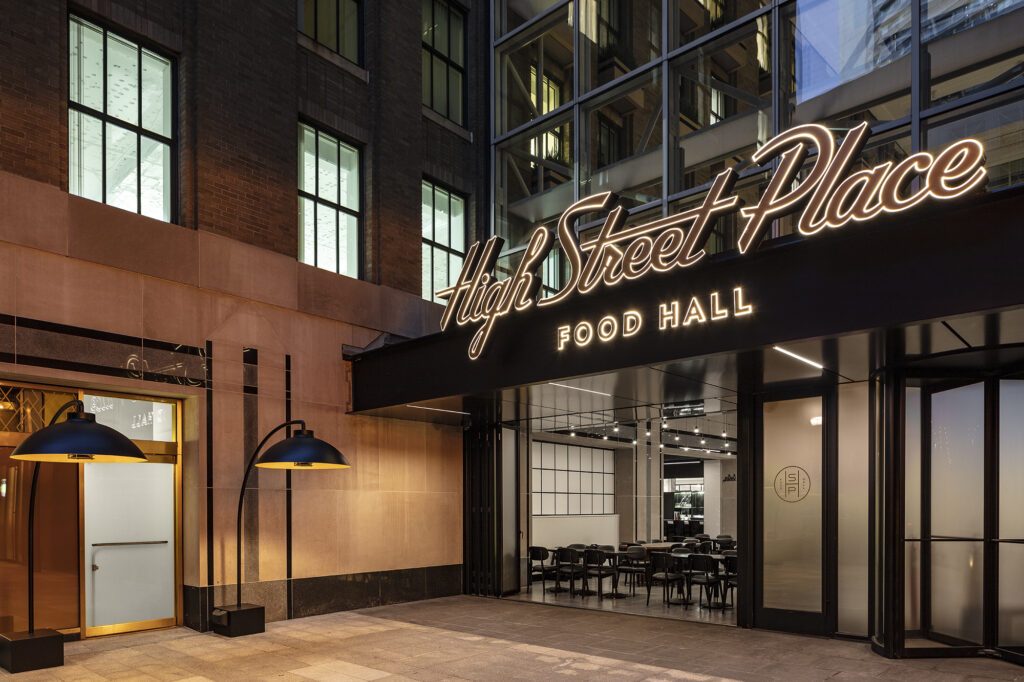
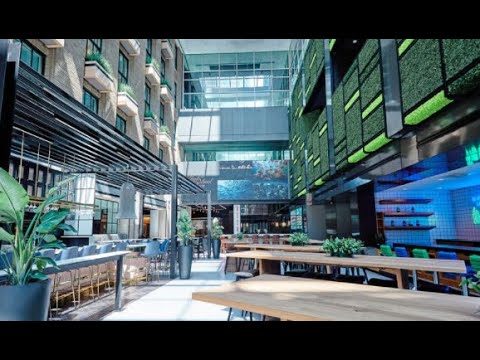
The license follows a certificate of occupancy filed May 18 that covers the building's offices, a food hall with live entertainment, stores, a daycare, and a garage. These approvals advance the project but do not confirm the venue has opened for service.

Why it matters

Boston's office towers are adding food and entertainment to draw workers back, and this venue is one test of whether the mix works.

Questions about this story

Free account needed to ask — your question is kept and asked for you right after sign-up. Answers are public.

No questions yet — be the first to ask.

Key Indicators

$1.37M
Declared value of building permit work
The certificate of occupancy for the 100 High Street building was declared at $1,368,252.
2
Permitting approvals secured for The Temp Agency
The venue has obtained a food establishment license and the building holds its certificate of occupancy.

Voices

Curated perspectives — historical figures and your fellow readers.

Ever wondered what historical figures would say about today's headlines?

Sign up to generate historical perspectives on this story.

People Involved

Organizations Involved

Timeline

May 2026 June 2026

2 events Latest: June 2nd, 2026 · 3 months ago
  1. Food establishment license granted to The Temp Agency

    Latest Permitting

    City of Boston licenses the venue for eating and drinking service at 100 High Street.

  2. Certificate of occupancy filed for 100 High Street

    Permitting

    Building permit covers offices, daycare, food hall with live entertainment, stores, garage, and common areas.

Scenarios

1

The Temp Agency opens its doors in the Financial District

Likely Resolves by Jan 1, 2027

Discussed by: No analysts are tracking this; it is a routine permitting milestone for a small venue

The venue completes fit-out and opens to the public, adding a food and drink option to the building's existing mix. The City of Boston's license records would confirm the establishment is active.

2

Opening stalls after permit approvals

Unlikely Resolves by Jan 1, 2027

Discussed by: Noted by the input event's own caveat that licenses do not guarantee a launch

The food license stays active but the venue does not open. Construction delays, financing gaps, or a shift in plans leave the space dark.

3

Venue changes hands or concept before opening

Possible Resolves by Jan 1, 2027

Discussed by: Common in restaurant permitting where concept pivots happen during buildout

Another operator takes over the license, or The Temp Agency rebrands or shifts its format before opening. The space still becomes hospitality, but under a different name.

Historical Context

2 moments from history that rhyme with this story — and how they unfolded.

2021–2026

Downtown office activation after the pandemic (2021–2026)

Office vacancy rates in US downtowns climbed as remote work persisted. Building owners converted lobbies and ground floors into restaurants, gyms, childcare centers, and event spaces to create reasons to commute.

Then

Some buildings saw foot traffic recover as amenities grew.

Now

The mix of uses in office towers is now a permanent feature of property strategy, not a temporary fix.

Why this matters now

100 High Street's certificate of occupancy lists offices alongside daycare, stores, a food hall, and entertainment, a direct example of this broader push.

2022–2026

Food halls in Boston office towers (2020s)

After remote work emptied downtown towers, Boston landlords leaned into ground-floor food and entertainment. Food halls with multiple vendors opened inside office buildings across the Financial District, drawing workers and visitors back for lunch and after-work drinks.

Then

Several food hall concepts opened with heavy initial crowds and long lines.

Now

Mixed-use hospitality became a standard playbook for office landlords facing persistent vacancy.

Why this matters now

The Temp Agency's approvals sit inside a building whose certificate of occupancy explicitly includes a food hall with live entertainment. The venue is part of the same strategy of layering hospitality into office real estate.

Sources

(2)